When you buy a home in New Jersey, the purchase price is only the beginning. Beyond your down payment, budget 2% to 5% of the price for closing costs, plus prepaid property taxes and homeowners insurance at the closing table. After you move in, plan on property taxes of roughly 2% to 2.5% of the home's value every year, insurance, maintenance of about 1% to 2% of the value annually, and utilities that run above the national average. On a $400,000 home in Burlington County, that means $8,000 to $20,000 at closing and thousands more every year you own it.
I have helped more than 728 families buy and sell across Burlington County and South Jersey, and the single biggest surprise buyers tell me about is not the mortgage payment. It is everything the price tag did not include. This guide walks through every dollar, stage by stage, so you can budget honestly and walk into closing with confidence instead of surprises.
What Are the Hidden Costs of Buying a Home in New Jersey?
"Hidden" does not mean unfair. It means costs that fall outside the purchase price and the monthly mortgage, so they are easy to miss when you are shopping. They fall into four groups: costs before your offer, costs at closing, costs right after you get the keys, and costs you pay every year. Most buyers plan for the down payment and the mortgage. Fewer plan for the other three, and that is where the stress happens.
| Stage | Typical range (NJ) | When |
|---|---|---|
| Earnest money deposit | 1% to 3% of purchase price, credited back to you | With your offer |
| Inspections and extra tests | $400 to $1,500+ depending on tests | Under contract, before closing |
| Closing costs (total) | 2% to 5% of purchase price | At closing |
| Prepaid property taxes and insurance escrow | Several months of taxes plus first year of insurance | At closing |
| Moving, furniture, and immediate repairs | $1,500 to $10,000+ | First months |
| Property taxes | Roughly 2% to 2.5% of value per year, varies by town | Every year |
| Homeowners insurance | About $1,000 to $1,800 per year | Every year |
| Maintenance and upkeep | 1% to 2% of home value per year | Every year |
These are planning ranges, not a quote. Your exact numbers depend on your loan type, your town, and the home itself, and I am happy to help you build a budget for your specific situation.
What Costs Show Up Before You Make an Offer?
Before your offer, the out-of-pocket costs are small, and most of them are optional or refundable. Getting pre-approved is usually free, which is one reason it should always come first. Your earnest money deposit, typically 1% to 3% of the purchase price, is due with your offer and is applied to your down payment at closing, so it is not an extra cost. It shows the seller you are serious, and earnest money that is held properly stays protected if the transaction falls through for reasons covered by your contract.
One cost that is not required but is worth every penny: a home inspection, which we cover next. And if you are targeting a townhome, condo, or new construction, association fees deserve a line in your budget from day one. The South Jersey HOA guide explains what those fees cover and what to review before you buy.
What Does a Home Inspection Really Cost in New Jersey?
A professional home inspection for a typical single-family home in New Jersey typically runs about $400 to $600, with condos and townhomes at the lower end. Thoughtful buyers add extra tests the base inspection does not include:
- Radon test: roughly $100 to $250. Recommended in New Jersey generally, and especially in the Pinelands towns of Burlington County.
- Termite and wood-destroying-insect inspection: about $100 to $300 and often required by lenders.
- Sewer scope: about $150 to $350, well worth it for pre-1980 homes or any home with mature trees near the lines.
- Well water and septic testing: essential in rural Burlington County towns where homes run on private wells and septic systems.
The home inspection guide walks through what each inspection covers, which tests to consider, and how to negotiate repairs afterwards. Spend the few hundred dollars now. The information it buys you at the negotiation table is almost always worth more than it costs.
What Closing Costs Will I Actually Pay in New Jersey?
New Jersey buyer closing costs typically run 2% to 5% of the purchase price. On a $400,000 home, that is $8,000 to $20,000 beyond your down payment. Here is what is inside that number:
- Lender fees: the loan origination fee (often about 1% of the loan), plus underwriting, processing, and credit-related fees.
- Appraisal: typically $400 to $700, ordered by your lender to confirm the home is worth the price.
- Real estate attorney: New Jersey closings almost always involve an attorney, and buyer attorney fees typically run about $1,500 to $2,500. Your attorney reviews the contract during New Jersey's attorney review period and walks you through closing.
- Title insurance and search: your lender requires a lender's title policy, and an owner's policy protects you for as long as you own the home. Together with the search they typically run $1,500 to $3,000+ on a typical purchase. The title insurance guide explains why this is the one place you should never skip the owner's policy.
- Recording fees: modest county recording costs, typically about $100 to $250. New Jersey has no large mortgage recording tax the way New York does, which is a real advantage for buyers here.
- Prepaids: several months of property taxes plus your first year of homeowners insurance, held in your escrow account so your lender can pay them on time.
The closing costs explained guide breaks down who pays what in New Jersey, line by line, and the closing process guide explains what happens at the table.
Who Pays the Transfer Tax in New Jersey?
The New Jersey realty transfer fee is paid by the seller, not the buyer. It is a graduated state fee that starts at roughly 0.4% of the first $150,000 of the sale price and rises with the price tier, so on most sales it lands somewhere under 1.2% of the price. Understanding this matters for two reasons. First, it is one more cost you as a buyer do not carry. Second, when you negotiate, your leverage should go toward the costs you actually pay, like inspection items, credits, and the purchase price itself.
What Costs Come Right After You Get the Keys?
The move-in month is where buyers tell me the budget "got real." Plan for:
- Moving: from a few hundred dollars for a DIY truck rental to $2,000+ for a full-service local move.
- Furniture and window treatments: the home that looked perfect staged and empty can need several thousand dollars of furnishing, especially for first-time buyers.
- Immediate repairs and refreshing: paint, hardware, light fixtures, and the small things an inspection flags.
- Appliances and lawn equipment: if they are not included, budget for them before they become emergencies.
- Utility setup and service deposits: electric, gas, water, internet, and sometimes an actual security deposit for new accounts.
A common rule of thumb is to keep a cushion of 1% of the purchase price for surprise repairs in your first year. On a $400,000 home, that is a $4,000 buffer, and it covers far more peace of mind than it costs.
What Are the Ongoing Costs of Owning a Home in New Jersey?
Ownership is where the monthly math really lives, and New Jersey has its own character here. Property taxes are among the highest in the country, commonly running roughly 2% to 2.5% of a home's value per year, and they vary widely by town. New Jersey property taxes explained shows how they are calculated and why two similar homes a few miles apart can have very different tax bills. Because taxes vary so much by community, they belong at the center of your town search: the property taxes by town comparison and the Living in Moorestown and Living in Mount Laurel guides are a good place to see how premiums and tax loads differ.
Beyond taxes, plan on homeowners insurance of roughly $1,000 to $1,800 a year for a typical South Jersey home, maintenance of 1% to 2% of the home's value annually (that is $4,000 to $8,000 a year on a $400,000 home, spread across roofing, HVAC, landscaping, and routine upkeep), utilities that run above the national average, and, if your down payment was under 20%, private mortgage insurance (PMI) until you build enough equity. The insurance guide covers how to shop coverage and premiums, and the rent vs buy comparison shows how this full ownership math stacks up against renting.
How Can I Reduce the Hidden Costs of Buying a Home?
You cannot avoid every cost, but most of them can be planned for, negotiated, or funded with help:
- Seller credits. In New Jersey, sellers commonly credit buyers at closing for repairs, closing costs, or rate buy-downs. Seller concessions explained shows what is realistic and how to structure them.
- Down payment assistance. The New Jersey Housing and Mortgage Finance Agency offers first-time buyer programs including down payment assistance of up to $15,000 as a zero-interest, forgiven loan, plus an additional $7,000 for qualifying first-generation buyers. They require an approved lender and homebuyer counseling, and they make a real difference. The down payment assistance guide has the details.
- The right loan for you. Conventional, FHA, VA, and USDA loans carry very different down payments, insurance, and closing profiles. Types of mortgage loans and the how much money do I need guide help you match a loan to your actual numbers.
- Negotiate the inspection. A good inspection report is a negotiation tool. Ask for repairs or credits on the genuine issues, not cosmetic nits, and your agent will help you separate the two.
- Shop title and insurance. Rates vary between providers for the same coverage. A few quotes can save hundreds at closing and every year after.
- Use a buyer's agent. In most South Jersey transactions the seller pays the buyer's agent commission, which means you get professional representation, local knowledge, and negotiation help without writing an extra check. If you are comparing agents, the how to choose an agent guide is a good starting point.
How Much Should I Budget to Buy a Home in Burlington County?
Here is an honest worked example for a $400,000 home in Burlington County, using the ranges above. Your numbers will differ based on your loan and your town, but the shape is right:
| Line item | Planning range |
|---|---|
| Down payment (5% to 20%) | $20,000 to $80,000 |
| Closing costs (2% to 5%) | $8,000 to $20,000 |
| Inspections and extra tests | $400 to $1,500 |
| Moving, furnishings, first-year cushion | $4,000 to $12,000 |
| Total cash to plan for | Roughly $32,000 to $113,000 |
A planning range, not a quote. Earnest money is excluded here because it is credited back toward your down payment at closing.
Notice what drives the spread: your down payment and how much you choose to spend on the move-in year. The closing cost band itself, 2% to 5%, is fairly predictable once you know your loan type, which is why talking to a lender early is so valuable. If you want a personalized estimate for your price range and town, that is exactly the kind of conversation I enjoy having.
Frequently Asked Questions About the Hidden Costs of Buying
What are the hidden costs of buying a home in New Jersey?
The biggest ones are closing costs of 2% to 5% of the purchase price on top of your down payment, prepaid property taxes and insurance at closing, inspections, and ongoing costs like property taxes of roughly 2% to 2.5% of the home's value each year, homeowners insurance, maintenance of 1% to 2% per year, and higher-than-average utilities.
How much should I budget for closing costs on top of my down payment?
Plan on 2% to 5% of the purchase price. On a $400,000 home that is $8,000 to $20,000, covering lender fees, appraisal, title insurance, attorney fees, recording fees, and prepaids. Your loan estimate from your lender will give you the exact number for your deal.
Does the buyer pay the transfer tax in New Jersey?
No. The New Jersey realty transfer fee is paid by the seller, and New Jersey does not have a large mortgage recording tax for buyers the way New York does. Buyers here typically pay modest county recording fees of about $100 to $250.
Are there programs that help with these costs?
Yes. The New Jersey Housing and Mortgage Finance Agency offers first-time buyer down payment assistance of up to $15,000 as a zero-interest, forgiven loan, plus up to an additional $7,000 for qualifying first-generation buyers. Programs require an approved lender and homebuyer counseling, and they are worth a serious look.
Which ongoing cost surprises buyers the most?
Property taxes. Because New Jersey's are among the highest in the country and vary sharply by town, the monthly tax burden can differ by hundreds of dollars between two similar homes. That is why the town you choose matters as much as the house you choose.
Let's Plan Your Numbers Together
Buying a home should feel exciting, not financially terrifying. My job is to educate you, answer your questions honestly, and help you build a plan that fits your real life, whether that means buying now, saving a little longer, or choosing a town that keeps your monthly costs manageable. There is no pressure and no obligation, just clear guidance.
If you want an honest estimate of what buying will cost in your price range and your town, or if you would like a free home valuation if you are selling too, I would love to talk. Call me at 856.426.1522 or reach out through the site and we will map out the numbers together.
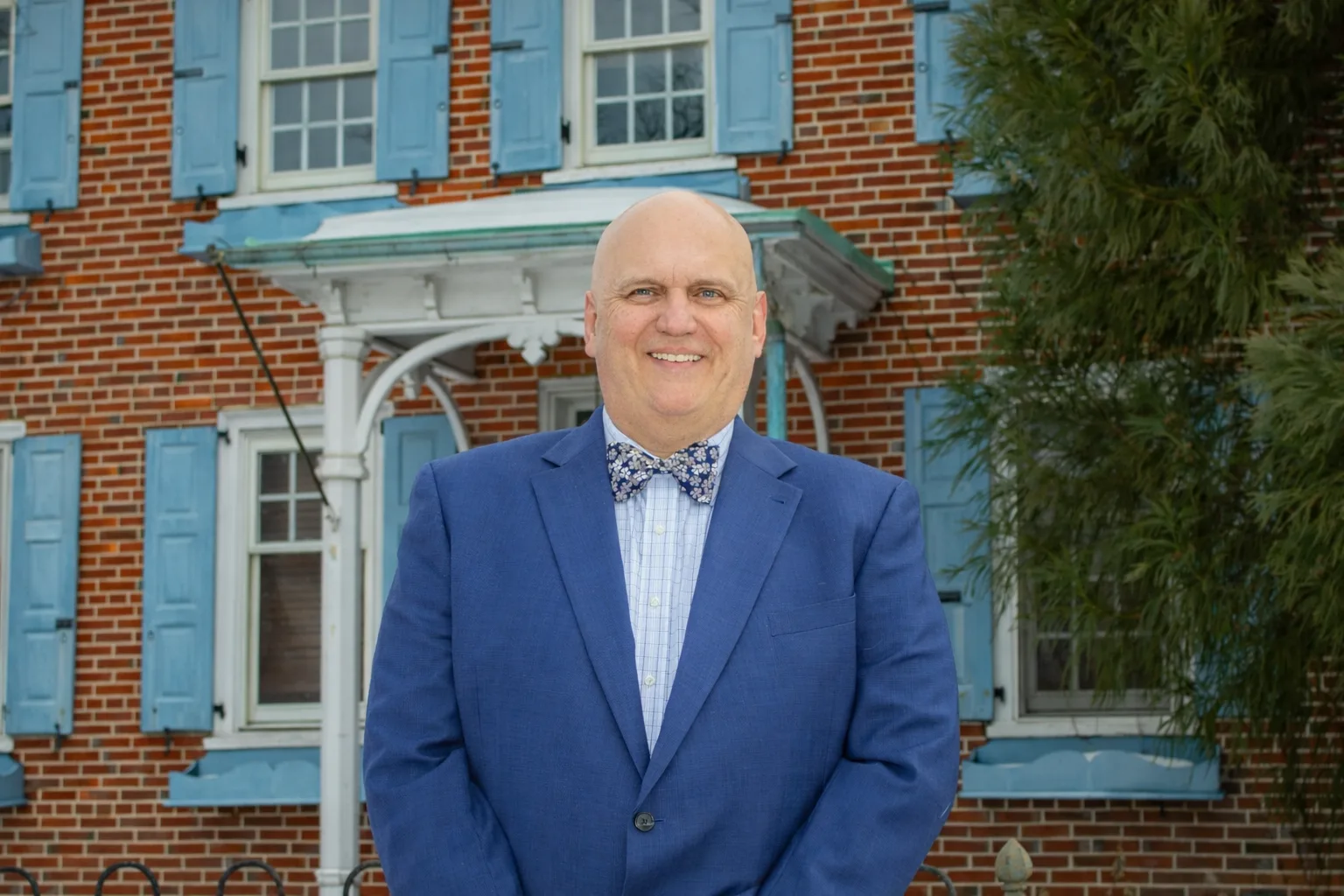
Bob Millaway
Epique Realty Agent and AI Certified Agent, NJ Salesperson license 791082, with 20+ years of experience and 728+ homes sold across Burlington County and South Jersey. Bob combines local expertise, honest guidance, and cutting-edge technology to help buyers and sellers make confident real estate decisions. Reach him at 856.426.1522.
About Bob