Overview
Trenton: An Honest Assessment
Trenton is New Jersey's state capital, a city of roughly 91,000 residents with a history that stretches back to before the American Revolution. It was once a thriving industrial powerhouse, home to steel mills, rubber factories, and pottery works that employed generations of workers. That industrial base is largely gone, and the city has been grappling with population loss, economic challenges, and urban disinvestment for decades.
The honest truth is that Trenton faces serious issues. Crime rates remain elevated compared to surrounding communities. The public school system has struggled. Many neighborhoods have concentrated poverty and aging housing stock in need of significant investment. It is not a market for the inexperienced or the faint of heart.
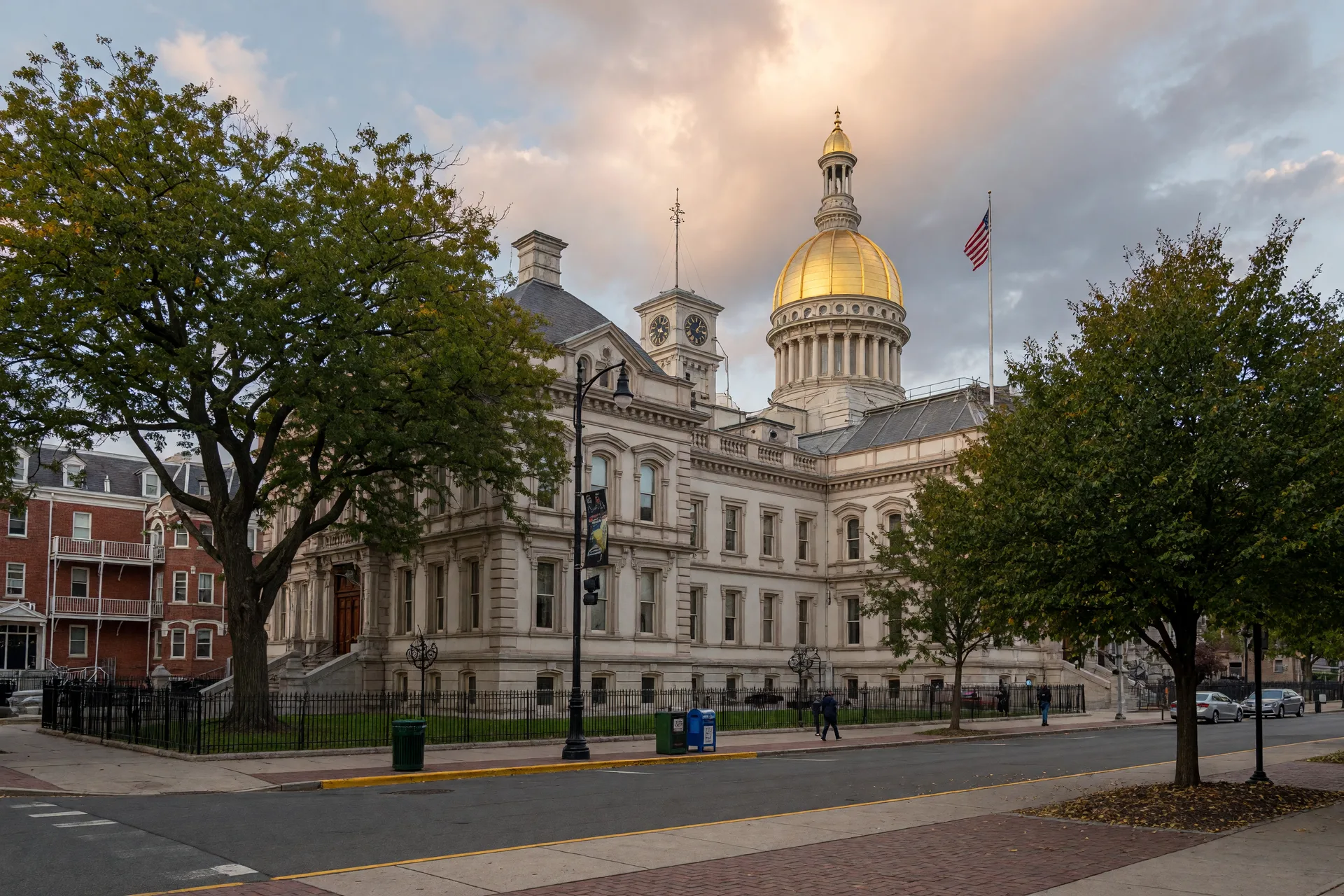
But here is what is also true. Trenton is the seat of state government, which provides a stable employment base that most cities of its size do not have. The city sits at the junction of major transportation corridors: I-95, I-195, Route 1, the Northeast Corridor rail line, and the NJ Transit River LINE. It is 35 minutes to Philadelphia, 50 minutes to New York, and 15 minutes to Princeton. The $180 million renovation of the Trenton Transit Center has modernized the city's primary transportation hub. And the city is seeing genuine revitalization efforts, particularly around the State House district and along the Delaware River waterfront.
For real estate investors who understand distressed urban markets, Trenton offers a compelling combination of low entry prices, real rental demand, and long-term upside tied to the city's role as the state capital and its geographic position in the Northeast Corridor. This guide covers what you need to know to evaluate Trenton seriously and realistically.
Investment Landscape
Why Investors Look at Trenton
Low Entry Prices
Trenton is one of the most affordable entry points in the New Jersey real estate market. Properties range from as low as $30,000 for distressed rowhomes needing full rehab to $250,000 for well-maintained multifamily properties in stable neighborhoods. This price range is simply not available in most other parts of Mercer County or the broader South Jersey market.
Rental Yield Potential
With average rents around $1,475 to $1,575 per month and purchase prices a fraction of what you would pay in surrounding towns, the gross yield potential in Trenton significantly outperforms suburban markets. About 62% of Trenton residents rent, which means consistent demand. The challenge is managing the properties effectively and accounting for higher operating costs.
Northeast Corridor Location
Trenton sits on the Northeast Corridor rail line with direct NJ Transit service to New York Penn Station and SEPTA service to Philadelphia. Its location at the junction of I-95, I-195, and Route 1 gives it regional connectivity that few cities in New Jersey can match. State government employment provides a stable anchor that insulates the rental market from economic cycles.
Neighborhoods
Trenton Neighborhoods to Watch
Trenton is not a monolith. The city's neighborhoods vary significantly in housing stock, price points, trajectory, and risk profile. Understanding the differences is essential for any investor.
Downtown & State Street Area
This is the epicenter of Trenton's revitalization efforts. The State Street corridor, stretching from the State House to the Delaware River, has seen significant public and private investment. The Trenton Transit Center renovation, the Patriots Theater at the War Memorial, and new residential developments are concentrated here. The median home price in this area is around $400,000, the highest in the city. This is where the most upside potential exists, but competition is stronger and acquisition costs are higher. Investors here focus on multifamily properties and mixed-use buildings within walking distance of transit and government offices.
The Hill
Located in the western part of Trenton near the Ewing border, The Hill is one of the more stable residential neighborhoods in the city. It features a mix of single-family homes and smaller multifamily properties on tree-lined streets. The housing stock is generally in better condition than in other parts of the city, and the neighborhood has lower crime rates. Proximity to The College of New Jersey and Ewing's suburban amenities adds to its appeal. Entry prices are higher here, typically in the $150,000 to $250,000 range, but the risk profile is lower.
North Trenton
North Trenton runs from the市中心 area north toward the Morrisville border. This area has significant inventory of classic Trenton rowhomes at accessible price points, often in the $50,000 to $120,000 range. The neighborhood is anchored by the Capital Health Regional Medical Center and the Trenton Farmers Market. There has been targeted redevelopment, including new residential projects near the hospital district. This is a higher-touch area where local knowledge and a reliable contractor are essential. Properties here often need substantial work.
Chambersburg
Chambersburg is a historic neighborhood in South Trenton with deep Italian-American roots. The commercial corridor along South Broad Street has local restaurants, bakeries, and shops that give the area character. The housing stock includes rowhomes, twins, and detached homes at varied price points. Chambersburg has seen some infill development and offers reasonable entry points for investors. The neighborhood's identity and community feel have helped maintain stability even as other areas have struggled. Properties here typically range from $80,000 to $200,000 depending on location and condition.
Market Data
The Trenton Real Estate Market by the Numbers
These numbers reflect general market conditions. Individual properties vary significantly, and thorough due diligence on every prospective investment is essential. Use these figures as a starting point for your own analysis.
$145K
Median home price (varies widely by neighborhood)
$1,500
Average monthly rent
62%
Renter-occupied households
47
Median days on market
What $30K-$75K Gets You
At this price point, you are almost exclusively looking at distressed properties that need full renovation. Typically these are older rowhomes in neighborhoods like North Trenton or East Trenton that have been neglected for years. Systems are likely outdated. Roof, plumbing, electrical, and HVAC will almost certainly need replacement. These are not turnkey rentals. They are value-add plays for investors with rehab experience and reliable contractor relationships. The opportunity is in buying at a low basis and creating equity through renovation.
What $75K-$150K Gets You
This range opens up properties in better condition, including some that are livable with cosmetic updates rather than full gut rehabs. You can find 2-3 bedroom rowhomes and small single-family homes in neighborhoods like Chambersburg and parts of North Trenton. Some duplexes and small multifamily properties become available in this range. These properties are more likely to cash flow from day one, particularly if you are buying with a tenant in place. This is the sweet spot for many Trenton investors.
What $150K-$250K Gets You
In this range, you are looking at well-maintained single-family homes in The Hill, larger multifamily properties, or properties in the Downtown/State Street area. These properties often require minimal work and can be rented immediately. Some will have tenants in place. This is also the range where you can find properties on better blocks with stronger appreciation potential. The downside is that the cash-on-cash returns are typically lower than in the lower price tiers, so the investment thesis shifts more toward appreciation and stability.
Market Snapshot
Trenton Market Snapshot
A quick look at where the Trenton market stands right now, drawn from live portal data.
Median Sale Price
$234K
+3.9% year over year (Redfin)
Days on Market
~66
Median days to sale (Redfin)
Active Listings
~308
Active listings (Movoto)
Price per Sq Ft
$187
Median per sq ft (Movoto)
Data as of October 12, 2026. Sources: Redfin, Zillow and Movoto. Refreshed on this run from live web data. Third-party trackers can differ from official MLS compilations. Treat these figures as directional.
Trenton's median sale price was around $234K on Redfin, up about 4% year over year, with a deep inventory of roughly 300 active listings and value opportunities across its neighborhoods.
Due Diligence
What to Watch for in Trenton
Trenton is not a suburban market. The due diligence bar is higher, and the risks are real. Here is what every investor needs to watch for.
Distressed Properties
A significant portion of Trenton's housing stock is aging and has been deferred-maintained for years or decades. Structural issues, foundation problems, knob-and-tube wiring, lead paint, and outdated plumbing are common. A standard home inspection is not enough. Walk every property with a contractor before making an offer.
Tax Liens & Delinquency
Trenton has a high rate of property tax delinquency. Before closing, pull the tax records and check for any outstanding balances or liens. Properties with years of unpaid taxes can be sold at tax sale, creating title issues. A title search is non-negotiable, and title insurance is essential protection.
Insurance Challenges
Property insurance in Trenton costs more than in surrounding suburban markets. Some standard carriers will not write policies in the city at all. Factor higher premiums into your pro forma, and work with an insurance broker who understands the urban New Jersey market. Expect higher deductibles and more limited coverage options.
Management Requirements
Managing rental properties in Trenton is more demanding than in the suburbs. Tenant screening, rent collection, maintenance, and turnover all require more attention. A good property manager with Trenton experience is worth paying for. A bad one will cost you everything. If you plan to self-manage from a distance, Trenton is not the market for you.
Revitalization
Trenton's Revitalization Timeline
Several significant projects are shaping Trenton's trajectory. These developments affect property values and rental demand in surrounding neighborhoods. Understanding the timeline and scale of each helps investors make informed decisions.
Trenton Transit Center
A $180 million renovation completed in recent years transformed the historic train station into a modern transit hub. The station serves NJ Transit Northeast Corridor trains to New York, SEPTA's Trenton Line to Philadelphia, and the River LINE light rail to Camden. It is a significant asset that anchors the downtown district and connects Trenton to both major metropolitan areas.
State Street & Downtown Development
The State Street corridor is the focus of ongoing redevelopment efforts. New residential developments, including market-rate apartments and mixed-use buildings, have been built or are in the pipeline. The Patriots Theater at the War Memorial continues to draw visitors downtown. The State House complex provides a stable employment base. New restaurants and businesses have opened along State Street, signaling growing private-sector confidence.
Hospital District & Healthcare
Capital Health Regional Medical Center is a major employer and anchor institution in North Trenton. The hospital has invested in facility upgrades and expanded services. The presence of a major hospital complex creates rental demand from healthcare workers, traveling nurses, and support staff. The hospital district also attracts related medical office development.
Arts & Cultural District
Trenton has been working to build an arts district around the Mill Hill neighborhood and the Roebling Wire Works complex. Artworks, a community arts center, and the Mill Hill Playhouse bring cultural activity to the area. The city's historic rowhome architecture and industrial heritage are assets that appeal to artists and creatives. This is a longer-term play, but cultural district development has been a successful revitalization strategy in cities like Philadelphia and Richmond.
Investor Profile
Who Invests in Trenton?
Trenton is not a market for first-time investors or absentee owners looking for passive income. The investors who do well here share some common characteristics.
Experienced Investors
The investors who succeed in Trenton typically have rehab experience, understand tenant screening in urban markets, and have navigated code enforcement and property management challenges before. Trenton rewards local knowledge and punishes inexperience. If you are just getting started in real estate investing, there are easier markets to learn in.
NYC & Philly Corridor Investors
Trenton's location between New York and Philadelphia attracts investors from both metropolitan areas who see opportunity in an undervalued market with strong transit connections. Many already understand the regional dynamics and have contractor and property management relationships in the area. The commute from Philadelphia to Trenton is about 35 minutes by car or 45 minutes by SEPTA.
Investors With Contractor Networks
This may be the single most important success factor. Investors who do well in Trenton have a reliable contractor or team of trades they trust. Without that, the numbers on a distressed property can fall apart fast. Have a contractor walk through a property before you make an offer. If you do not have that relationship yet, build it before you start writing offers.
Risk Assessment
Risks and Reality Check
This section matters more than any other on this page. If you are considering investing in Trenton, you need a clear understanding of what you are getting into.
Don't Invest Blind
Trenton is not a market you can evaluate from a spreadsheet. The difference between a good investment and a costly mistake is often the specific block and the physical condition of the property. Drive the neighborhood at different times of day, on weekdays and weekends. Talk to neighbors. Check crime statistics block by block. Do the homework yourself.
Local Knowledge Is Essential
The investors who consistently do well in Trenton have deep local knowledge. They know which blocks are improving and which are not. They have relationships with local contractors, inspectors, property managers, and attorneys. If you do not have this network, you need to build it before you write an offer. Trying to figure it out as you go is an expensive education.
Property Management Is Critical
Managing rental properties in Trenton is more demanding than in a suburban market. Tenant screening must be thorough. Rent collection requires consistency. Maintenance response times matter more. Turnover costs are higher. If you cannot find or afford a good property manager who knows Trenton, you should not invest in Trenton. A bad property manager will destroy your returns and your peace of mind.
Market Appreciation Is Not Guaranteed
Trenton's home values have shown volatility over time. Some neighborhoods have seen price declines. This is not a market where you can bank on rapid appreciation to bail out a marginal deal. Your investment thesis should be built on cash flow, not speculation. If you need the property to double in value in five years, you are gambling, not investing.
"I work with investors across South Jersey, including in Trenton. Some of them do very well here. Others get burned. The difference is always the same: preparation, local knowledge, and realistic expectations. I can help you understand the market, but I will never tell you it is easy."
Bob Millaway, Epique Realty Agent
Investor FAQ
Frequently Asked Questions About Investing in Trenton
What is the minimum budget to invest in Trenton?
You can find distressed rowhomes starting around $30,000 to $50,000. But purchase price is only the beginning. Rehab costs, carrying costs during renovation, and reserves for ongoing maintenance can quickly push the all-in investment to $80,000 to $120,000 for a viable rental property. Underwrite conservatively. A cheap purchase price does not always mean a good deal.
What are typical cap rates in Trenton?
Gross rental yields can range from 8% to 12% on well-selected properties, compared to 4-6% in many suburban South Jersey markets. However, expenses in Trenton are higher: property management costs more, insurance premiums are elevated, maintenance demands are greater, and turnover is more frequent. A realistic net cap rate for a well-managed Trenton property is probably 5% to 8%. Use conservative numbers and be pleasantly surprised.
Is there rental demand in Trenton?
Yes. About 62% of Trenton households rent, which is significantly higher than the national average. State government employment provides a stable base of demand. Properties in good condition at fair market rents typically do not sit vacant for long. The challenge is not finding tenants. It is finding quality tenants who will pay on time and take care of the property. Thorough screening and experienced property management are essential.
Can out-of-state investors buy in Trenton?
It is possible, but it is significantly harder without local boots on the ground. You need a real estate agent who knows the Trenton market, a contractor you trust for accurate rehab estimates, and a property manager who will protect your investment. If you do not have these relationships in place, expect a steep learning curve and potentially costly mistakes. Out-of-state investors who succeed in Trenton typically spend time building their local team before making their first purchase.
How do property taxes work for investors in Trenton?
Trenton has some of the highest effective property tax rates in New Jersey, which is saying something. This is a significant expense that must be factored into every deal. For qualifying redevelopment projects, there may be tax abatement options available, including PILOT agreements that can provide predictable payment schedules. An experienced local agent or real estate attorney can help you understand what programs apply to a specific property.
Are there government incentives for investing in Trenton?
Trenton is eligible for several state incentive programs designed to encourage investment in New Jersey's cities. The Aspire program provides tax credits for eligible residential and commercial development projects. Various state and local programs support affordable housing development and rehabilitation. The City of Trenton also offers programs aimed at revitalizing specific neighborhoods. These incentives can meaningfully improve returns for qualifying projects, but they require professional guidance to navigate.
What are the biggest mistakes investors make in Trenton?
The number one mistake is underestimating rehab costs. Many investors walk through a property, make a rough estimate, and end up spending double or triple their budget. The second mistake is not accounting for the higher cost of property management and turnover in an urban market. The third is investing without understanding the specific block and neighborhood. A house two blocks away can be in a completely different market. Do the block-level homework before you buy.
Is now a good time to invest in Trenton real estate?
There is no universal answer. If you are an experienced investor with local knowledge, a reliable contractor, and a realistic underwriting model, Trenton can present compelling opportunities in today's market. If you are a first-time investor looking for a turnkey rental with minimal hands-on involvement, Trenton is probably not the right market for you. The right time to invest depends on your experience, your network, and your capacity to manage the demands of an urban market. I can help you evaluate whether Trenton fits your situation, but I will not tell you it is right for everyone.
Your Guide to the Investment Market
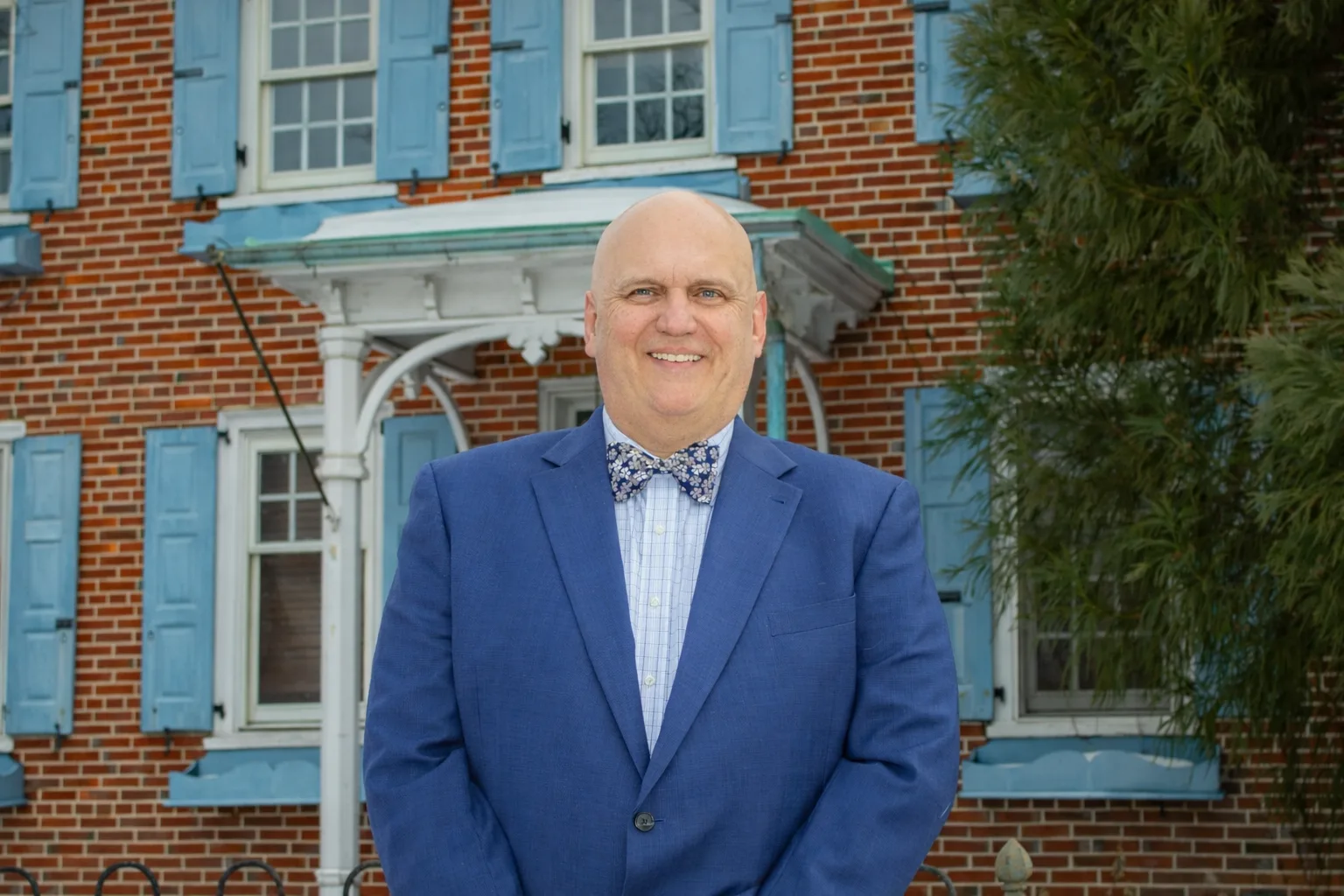
Bob Millaway | Epique Realty Agent
With 20 years of experience, 728+ homes sold, and more than $115 million in career sales, I have worked with investors across every type of market in South Jersey. I know Trenton. I know its neighborhoods, its challenges, and its opportunities. I have helped investors analyze properties, connect with local resources, and make informed decisions based on data, not hype.
I am not going to tell you Trenton is an easy market or a guaranteed winner. But if you want to explore it seriously, I can give you honest data, connect you with the right local professionals, and help you make a decision you can feel confident about. My approach is built on education and transparency. That is how I have built relationships that last for decades.
Ready to Explore Trenton as an Investment?
Whether you are actively looking at properties or just beginning your research, I can help you understand what is real and what is not. No pressure. No sales pitch. Just honest guidance from someone who knows the market.
856.426.1522 | bob@robertmillaway.com | NJ Lic. #791082