Overview
Camden City: An Honest Assessment
Camden City, with a population of roughly 71,000, is one of the most challenged cities in America. Decades of industrial decline, population loss, and systemic disinvestment have left the city with a difficult reputation, a struggling school system, and significant infrastructure challenges. It is not a place most families are choosing to move to. That is the honest truth.
But what is also true is that Camden has been undergoing a serious, sustained revitalization effort for over a decade. The state of New Jersey has invested heavily through tax incentive programs. Major anchors like Cooper University Health Care (currently executing a $3 billion expansion), Subaru of America (headquarters relocated to Camden), and the Camden Waterfront development have brought jobs and capital into the city. The presence of Rutgers-Camden and the Camden Children's Aquarium add to the city's assets.
For real estate investors, Camden presents a classic distressed-market opportunity with low acquisition costs, real rental demand from a population that needs housing, and long-term upside tied to revitalization. It is not a passive investment market. It requires local knowledge, a strong contractor network, and realistic expectations. But the opportunity is real.
Investment Landscape
Why Investors Look at Camden City
Low Entry Prices
Camden is one of the few markets in New Jersey where you can still buy a property for under $100,000. Entry-level investment properties typically range from $50,000 to $200,000, making it accessible for investors with less capital or those looking to build a portfolio faster than suburban markets allow.
Rental Yield Potential
With median rents around $1,200 to $1,500 per month and purchase prices in the five figures, the cap rate potential in Camden can significantly outpace suburban markets. Investors focused on cash flow often find the numbers work here when they don't in more expensive towns.
Proximity to Philadelphia
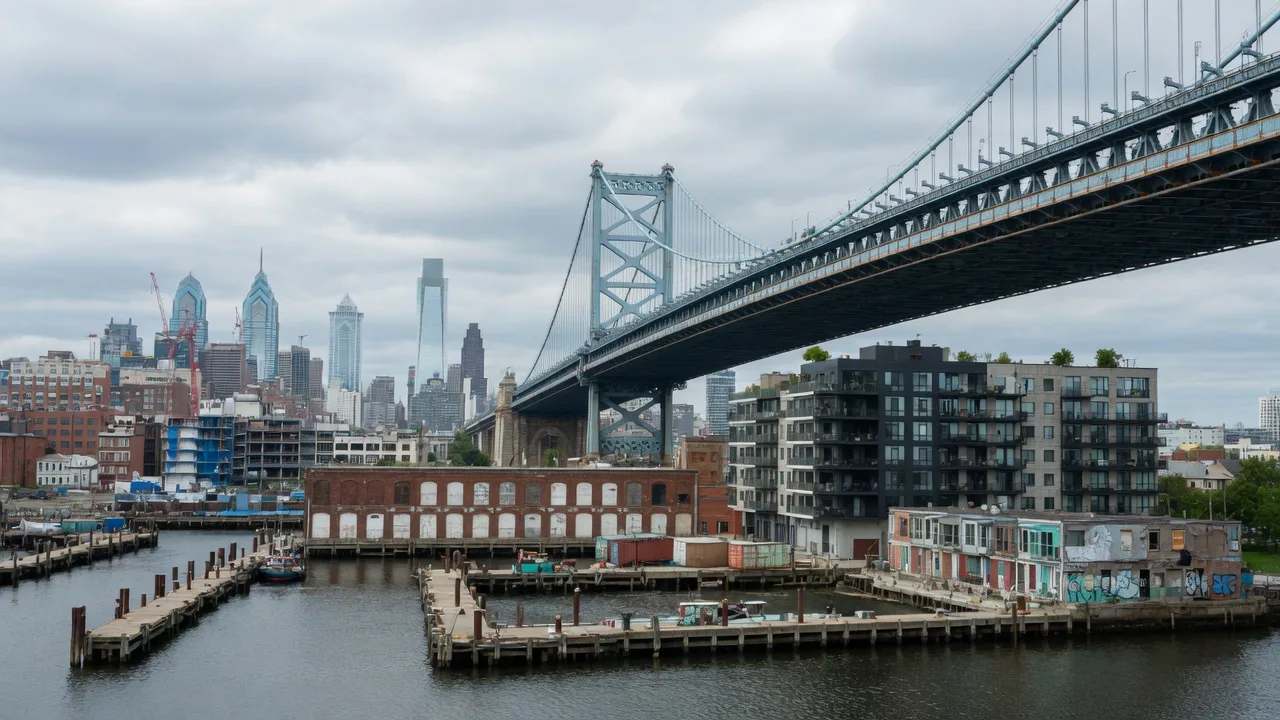
Camden sits directly across the Delaware River from Center City Philadelphia. The commute is under 10 minutes. This proximity gives Camden the same labor market access as Philadelphia suburbs at a fraction of the per-door cost. The PATCO Speedline connects directly to Philadelphia.
Beyond these three factors, Camden benefits from the state's Aspire program, Urban Enterprise Zone status, and significant property tax abatement opportunities through PILOT agreements. These incentives can meaningfully improve the financial picture for investors who structure their acquisitions correctly.
Neighborhoods
Camden Neighborhoods to Watch
Not all of Camden is the same. Different neighborhoods have different trajectories, housing stocks, and risk profiles. Here are the areas worth understanding for investment.
Waterfront / City Hall Area
This is where the most visible revitalization is happening. The Rutgers-Camden campus, the Camden Waterfront redevelopment, Cooper University Hospital's expansion, and the aquarium are all in this area. Market-rate townhomes near Rutgers have sold for around $500,000. This area has the highest upside but also the highest acquisition costs and most competition from institutional developers. Investors here are typically looking at multifamily properties within walking distance of transit and the waterfront.
Parkside
A historic neighborhood near Cooper River Park and the Camden County College campus. Parkside has a mix of rowhomes and detached homes with some of the better housing stock in the city. The neighborhood has seen targeted redevelopment including the Parkside Place mixed-use projects that brought new residential units and a health center. It is one of the more stable neighborhoods for buy-and-hold rental investors.
Fairview
Located in East Camden near the Fairview Village shopping center, Fairview is a residential neighborhood with a mix of single-family homes and rowhomes. It has some of the more affordable entry points in the city. Investors should be particularly thorough with due diligence here, as code violations and deferred maintenance are common. Proximity to Route 130 and major employers is a plus for rental demand.
East Camden / Bergen Square
East Camden is a large area with some of the lowest price points in the city. The Bergen Square area near the intersection of Broadway and Ferry Avenue has some commercial activity and transit access. This is a higher-risk, higher-touch area. Properties here are often deeply distressed and may require substantial rehab. Investors who succeed here typically have strong local property management and contractor relationships already in place.
Market Data
The Camden Real Estate Market by the Numbers
Here is what the market actually looks like based on recent data. These numbers shift, so they should be used as a starting point for your own analysis and due diligence.
$120K
Median sale price (recent range: $110K-$150K)
$1,200
Average monthly rent (range: $987-$1,500)
16-19
Median days on market
$104
Average price per square foot
What $50K-$100K Gets You
At this price point, you are typically looking at a distressed rowhome or small single-family property that needs significant rehab. Think properties with outdated systems, deferred maintenance, or structural issues. These are not turnkey rentals. The opportunity is in the forced appreciation after a properly executed renovation. Investors at this level need a reliable contractor and realistic rehab budgets.
What $100K-$200K Gets You
This range opens up better-condition properties, including some that are move-in ready or lightly updated. You can find 2-3 bedroom rowhomes and small single-family homes in more stable neighborhoods like parts of Parkside and Fairview. Some duplexes and small multifamily properties also fall in this range. These properties are more likely to cash flow from day one with a tenant in place.
Rental Yield Context
In typical suburban South Jersey markets, gross rental yields often fall in the 4-6% range. In Camden, it is not uncommon to see gross yields of 8-12% on properties purchased at the right price. However, expenses are also higher: property management in a distressed urban market costs more, turnover is more frequent, and maintenance demands are greater. Net yield is what matters, and it requires good underwriting.
Market Snapshot
Camden Market Snapshot
A quick, directional read on today's market in Camden, so you know what to expect before you start your search.
Median Sale Price
$183K
+7.1% year over year (Redfin)
Days on Market
~41
Median days to sale (Redfin)
Active Listings
~206
Homes for sale (Movoto)
Price per Sq Ft
$130
Median per sq ft (Redfin)
Data as of October 12, 2026. Sources: Redfin, Zillow and Movoto. Refreshed on this run from live web data. Third-party trackers can differ from official MLS compilations. Treat these figures as directional.
Camden occupies the county's most affordable and investor-focused price band: Redfin's median sale price is up about 7% year over year near $183K, Zillow's typical value near $123K is up about 8%, deep inventory runs around 200 listings, and homes take about six weeks to sell. Because blocks vary widely, neighborhood-level due diligence is essential.
Due Diligence
What to Watch for in Camden City
Investing in Camden is not the same as investing in a stable suburban market. The due diligence requirements are higher, and the risks are real. Here is what you need to watch for.
Distressed Properties
Many properties have been neglected for years. Structural issues, roof damage, and outdated electrical and plumbing systems are common. A standard home inspection is not enough. Bring a contractor to every property you seriously consider.
Code Violations
Unresolved code violations can be attached to a property's title. Before closing, check with the City of Camden's Department of Inspections for any outstanding violations or liens. These can become your responsibility after purchase.
Title Issues
Some Camden properties have cloudy titles from tax sales, foreclosures, or estates. A thorough title search and title insurance are non-negotiable. Do not skip title insurance to save a few hundred dollars. It protects your investment.
Insurance Challenges
Property insurance in Camden is more expensive than in surrounding suburbs. Some standard carriers will not write policies in the city. Factor higher insurance premiums into your pro forma, and work with an insurance broker who specializes in urban properties.
Revitalization
Camden's Revitalization Timeline
Several large-scale projects are shaping Camden's trajectory. Investors should understand what is happening, where, and on what timeline, because these developments affect property values and rental demand in surrounding neighborhoods.
Cooper University Health Care Expansion
A $3 billion expansion known as "Project Imagine" that will add three clinical towers and over 100 new beds. This is the largest single investment in Camden County history. It means thousands of construction jobs followed by permanent healthcare jobs. More jobs mean more rental demand in adjacent neighborhoods.
Camden Waterfront Development
The NJEDA has solicited proposals for the redevelopment of 16 acres of waterfront property including the former Riverfront State Prison site and Weeks Marine property. Plans include mixed-use development with residential, commercial, and public space. This will anchor the northern end of the waterfront corridor.
Rutgers-Camden & Education Anchor
Rutgers University-Camden continues to grow its campus and enrollment. The university brings students, faculty, and staff who need housing. The market-rate townhomes developed near campus at around $500,000 each demonstrate that demand exists for quality housing. The Camden Children's Aquarium is an additional draw.
Tax Incentive Programs
Camden is a Garden State Growth Zone and Government Restricted Municipality, making it eligible for the most generous state incentive programs. The Aspire program offers tax credits up to 55% of eligible costs for commercial projects and up to 30% for residential. PILOT agreements can provide 10-30 year property tax abatements. These incentives directly improve investment returns for qualifying projects.
Investor Profile
Who Invests in Camden City?
Camden is not a first-time investor market. The investors who do well here share some common characteristics.
Experienced Investors
The investors who succeed in Camden are typically not new to real estate. They have rehab experience, understand tenant screening in urban markets, and have worked through code enforcement and property management challenges before. Camden rewards experience and punishes inexperience.
Philadelphia Investors
A significant number of Camden investors are based in or near Philadelphia. They understand the regional market dynamics and many already work with contractors and property managers who operate on both sides of the river. The 10-minute commute between Philadelphia and Camden makes it easy to stay involved.
Investors With Contractor Networks
This may be the most important factor. Investors who do well in Camden have a reliable contractor or team of trades they trust. Without that, the math on a distressed property can fall apart quickly. Having a contractor walk through a property before you make an offer is not optional here. It is essential.
Risk Assessment
Risks and Reality Check
This section is the most important one on this page. If you are considering investing in Camden, you need to go in with your eyes wide open.
Don't Invest Blind
Camden is not a market you can evaluate from behind a screen. The difference between a good deal and a disaster is almost always in the physical condition of the property and the specific block it sits on. Drive the neighborhood at different times of day. Talk to neighbors. Talk to the local police precinct. Do your homework.
Local Knowledge Is Essential
The best investors in Camden have deep local knowledge. They know which blocks are improving and which are not. They know which property managers are reliable. They have relationships with local contractors, inspectors, and attorneys. If you do not have this network, build it before you write an offer.
Property Management Matters
Managing rental properties in a distressed urban market is harder than managing in the suburbs. Tenant screening, rent collection, maintenance, and turnover all require more attention. A good property manager is worth their weight in gold. A bad one will cost you everything. Vet your property manager as carefully as you vet your properties.
Market Volatility
Home values in Camden have shown volatility. The median sale price has fluctuated and at times shown year-over-year declines. This is not a market where you can count on rapid appreciation. Your investment thesis should be based on cash flow, not speculation. If you need the property to double in value in five years, Camden is probably not the right market.
"I work with investors every day. Some of them do very well in Camden. Others get burned. The difference is almost always preparation, local knowledge, and realistic expectations. I can help you understand the market, but I will never tell you it is easy."
Bob Millaway, Epique Realty Agent
Investor FAQ
Frequently Asked Questions About Investing in Camden City
What is the minimum budget to invest in Camden City?
You can find distressed properties starting around $50,000. But remember that the purchase price is only part of the equation. Rehab costs, carrying costs during renovation, and reserves for ongoing maintenance all need to be factored in. A realistic minimum all-in budget for a viable rental is probably $80,000 to $120,000, depending on the property's condition and your contractor's pricing.
What are typical cap rates in Camden City?
Gross rental yields in Camden can range from 8% to 12% or higher on well-selected properties, compared to 4-6% in many suburban South Jersey markets. However, expenses are also higher. Property management fees, insurance, maintenance, and turnover costs all eat into returns. A realistic net cap rate for a well-managed property is probably in the 5-8% range. Underwrite conservatively and be pleasantly surprised.
Is it hard to find tenants in Camden?
There is consistent rental demand in Camden from a population that needs affordable housing options. Properties in good condition at fair rents typically do not sit vacant for long. The challenge is not finding tenants. It is finding quality tenants who will pay on time and take care of the property. Thorough tenant screening is critical. Work with a property manager who has experience in the Camden market.
Can out-of-state investors buy in Camden?
It is possible, but it is harder. Out-of-state investors without local connections face significant challenges in Camden. You need trustworthy boots on the ground: a real estate agent who knows the city, a contractor you can trust for accurate rehab estimates, and a property manager who will protect your investment. If you do not have these relationships, expect a steep learning curve and potentially costly mistakes.
How do property taxes work for investors in Camden?
Camden's Garden State Growth Zone status allows for PILOT (Payment in Lieu of Taxes) agreements that can provide significant property tax abatements for 10 to 30 years. For qualifying redevelopment projects, this can be a major advantage. For existing properties, standard property taxes apply and should be factored into your underwriting. An experienced local agent or attorney can help you understand whether a property qualifies for abatement programs.
Are there grants or incentives for rehabbing properties in Camden?
Yes. The Aspire program provides tax credits for residential development projects, covering up to 30% of eligible costs for newly constructed units. Larger commercial projects can qualify for up to 55% of eligible costs. The Urban Enterprise Zone offers reduced sales tax rates for businesses. And the Grow NJ program provides tax credits for job creation. These programs primarily benefit larger-scale projects but can significantly improve returns for qualified investors.
What are the biggest mistakes investors make in Camden?
The top mistake is underestimating rehab costs. Many investors buy a property based on a quick walkthrough and end up spending twice their budget. The second mistake is not accounting for the higher cost of property management and turnover in an urban market. The third is investing without understanding the specific block and neighborhood. A great block in a so-so neighborhood can work. A bad block in a good neighborhood can fail. Do your homework.
How do I evaluate whether a Camden property is a good investment?
Start with realistic rent projections based on comparable properties within a few blocks. Add up all your costs: mortgage, taxes or PILOT, insurance, property management (typically 8-10% of rent), maintenance reserves (at least 10-15% of rent), vacancy reserves (5-8%), and utilities you will cover. If the property still cash flows after all of that, it may be worth pursuing. Then verify everything with a contractor walkthrough and a thorough inspection.
Your Guide to the Investment Market
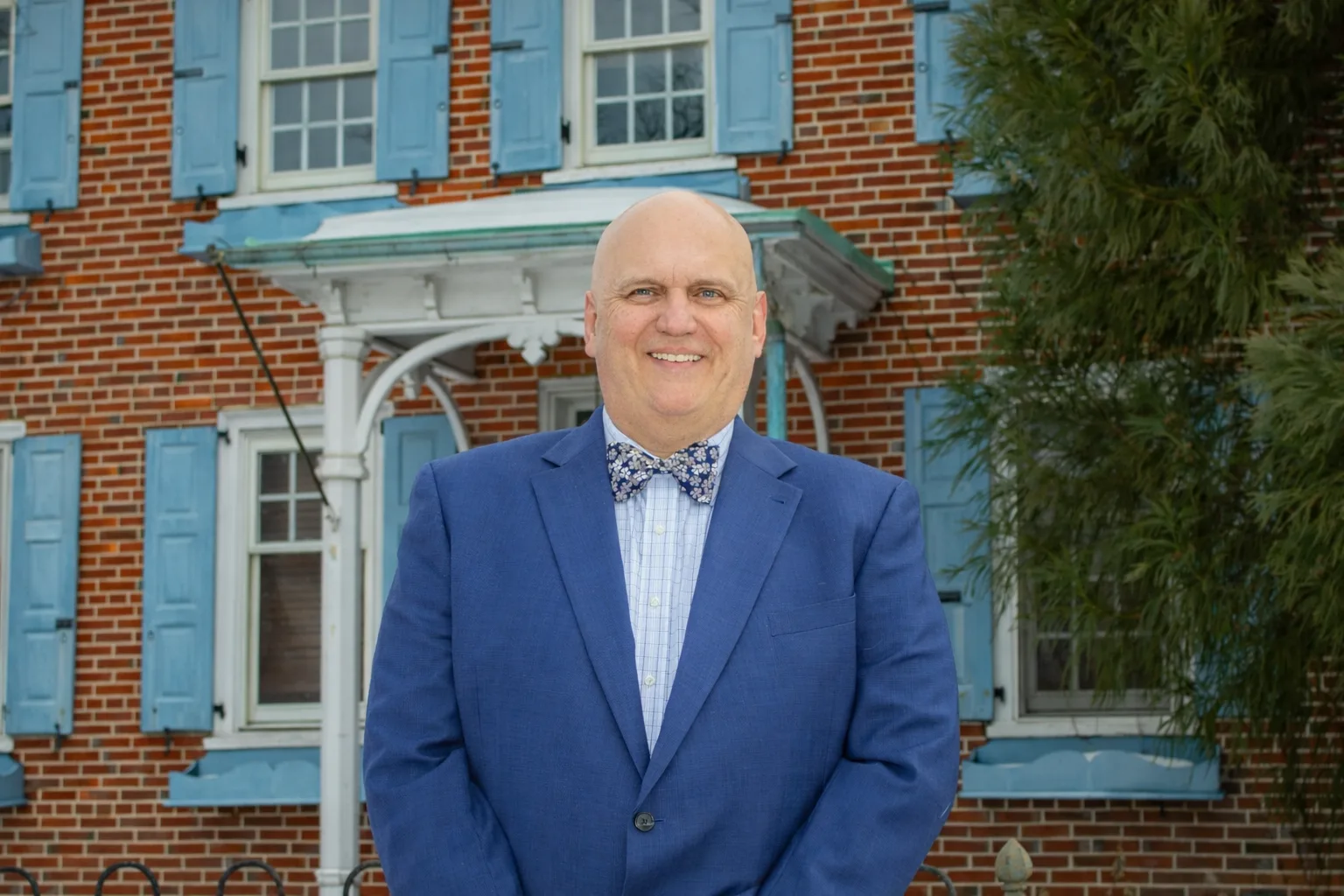
Bob Millaway | Epique Realty Agent
With 20 years of experience, 728+ homes sold, and more than $115 million in career sales, I have worked with investors across every type of market in South Jersey. I know the difference between a deal that pencils out and one that will keep you up at night. I have helped investors buy, sell, and manage properties in Camden City and throughout the region.
I am not going to tell you Camden is an easy market or a guaranteed winner. But if you want to explore it seriously, I can give you honest data, connect you with the right local resources, and help you make a decision based on facts, not hype. My approach is built on education and transparency. That is how I have built relationships that last for decades.
Ready to Explore the Camden Investment Market?
Whether you are actively looking at properties or just beginning to research the market, I can help you understand what is real and what is not. No pressure. No sales pitch. Just honest guidance based on years of experience in this market.
856.426.1522 | bob@robertmillaway.com | NJ Lic. #791082