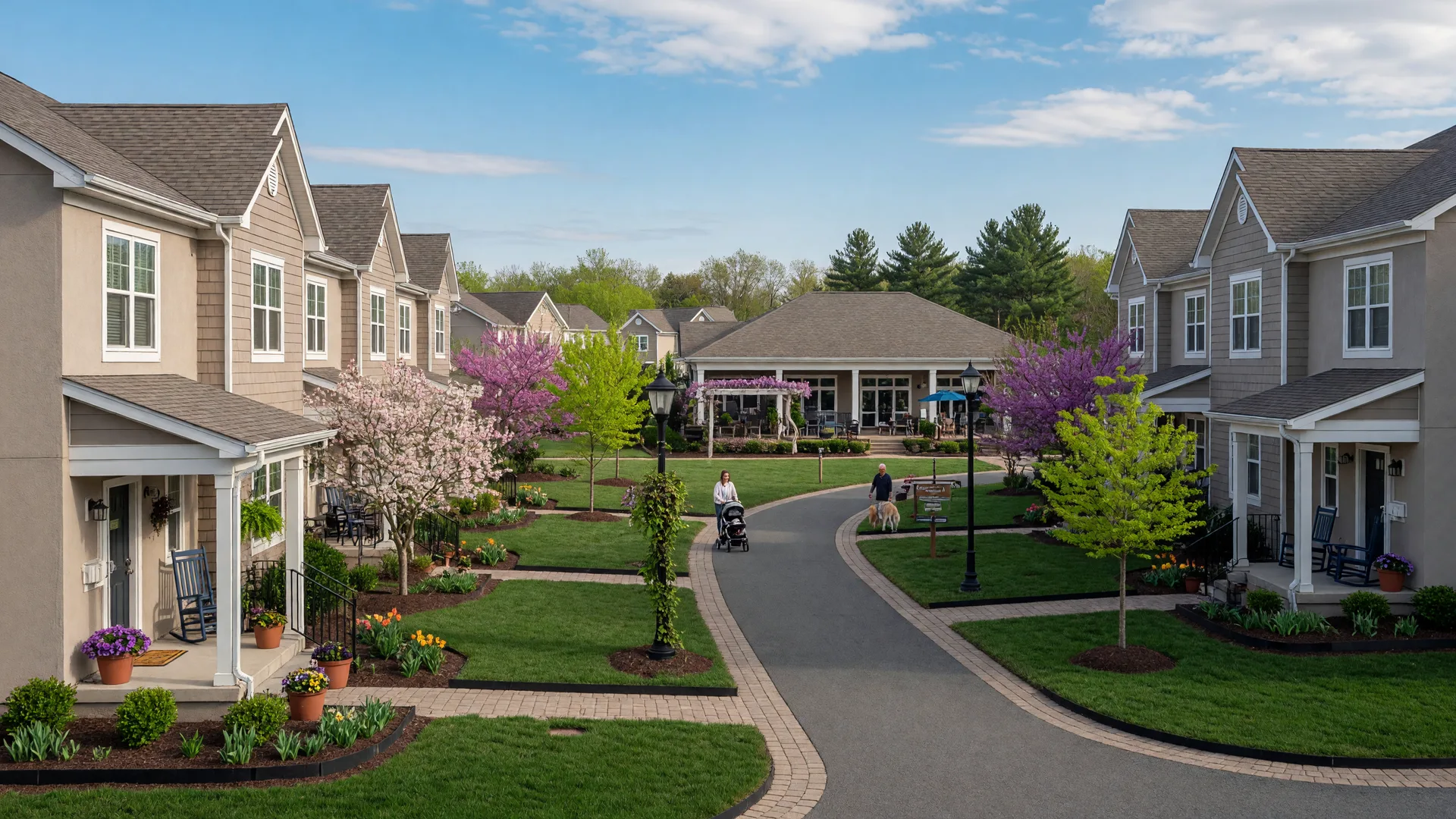
Understanding Downsizing
What Does Downsizing in South Jersey Mean?
Downsizing means moving to a home that better fits your current lifestyle. It does not necessarily mean moving to a smaller home, though that is often the case. It means choosing a home that requires less maintenance, costs less to operate, and aligns with how you actually want to live today.
For many South Jersey homeowners, downsizing happens after a major life transition: children leaving home, retirement, a divorce, or simply a desire to simplify. The family home that was perfect for raising children can feel oversized, expensive, and burdensome once your needs change.
I have helped hundreds of Burlington County and South Jersey families navigate this transition. It is one of the most rewarding parts of my work because it is about helping people move forward into a chapter of life that should feel lighter, freer, and full of possibility.
When to Downsize
When Does Downsizing Make Sense?
Downsizing is a personal decision, but certain signs suggest it may be time to consider a change.
Your Home Feels Too Big
If you have bedrooms you never use, dining rooms that sit empty, and more space than you need, a smaller home could simplify your life and reduce your expenses.
Maintenance Feels Overwhelming
If you spend more time maintaining your home than enjoying it, a low-maintenance townhome, condominium, or smaller home could free up your weekends and your energy.
You Want to Free Up Equity
Your home is likely your largest financial asset. Selling a larger home and purchasing a smaller one can unlock significant equity that can be reinvested for retirement, travel, or other priorities.
You Want to Be Closer to Family
Many downsizers choose to move closer to children, grandchildren, or the community they love. Whether that means staying in the same Burlington County town or moving to a new one, the goal is more connection.
You Want a Different Lifestyle
Maybe you want to be in a walkable downtown like Moorestown, Collingswood, or Haddonfield. Maybe you want a maintenance-free community with amenities. Downsizing can be about choosing a lifestyle, not just a smaller space.
Your Monthly Costs Are Too High
If property taxes, utilities, insurance, and maintenance are straining your budget, downsizing to a more affordable home can significantly improve your monthly cash flow and peace of mind.
Finding Your Next Home
What Kind of Home Should I Downsize To?
Your next home should feel like a fresh start, not a compromise. The key is understanding what you actually need versus what you have grown accustomed to.
Consider your priorities: Do you want a first-floor master suite? Is a single-level living important? Do you want a yard, or are you ready to trade it for a patio or balcony? Do you want to be in an active adult community with amenities like a clubhouse, pool, or fitness center? Or would you prefer a condominium or townhome in a walkable downtown?
Think about location: Do you want to stay in the same Burlington County community you know and love, or are you open to exploring new towns? Many downsizers discover that a new town offers exactly what they are looking for: a different pace, new amenities, or closer proximity to family.
Consider your future needs: A home that works well for you today should also work well in 5 or 10 years. Think about stairs, maintenance requirements, accessibility, and proximity to healthcare and shopping.
Popular Housing Options for Downsizers
Active Adult Communities
55+ communities with resort-style amenities, social activities, and low-maintenance living. Popular in Medford, Mount Laurel, and other Burlington County towns.
Condominiums
Lock-and-leave living with HOA-managed maintenance. Often located in walkable areas or near shopping. Great option for those who travel or want ultimate simplicity.
Townhomes
Multi-level attached homes with more space than a condo but less maintenance than a single-family home. Many newer townhome communities in Burlington County.
Smaller Single-Family Homes
A ranch home, Cape Cod, or smaller Colonial on a manageable lot. The traditional downsizing choice for those who still want a yard and privacy.
Financial Planning
What Financial Factors Should I Consider When Downsizing?
The financial implications of downsizing go well beyond the sale price of your current home. Here are the key factors to consider.
Property Taxes
Property taxes in Burlington County vary significantly by town. Moving to a community with lower tax rates can have a meaningful impact on your monthly expenses. I provide side-by-side comparisons so you can see the full picture.
Capital Gains Exclusion
Under current federal law, you may be able to exclude up to $250,000 of capital gains ($500,000 for married couples filing jointly) from the sale of your primary residence, provided you have lived in the home for at least two of the last five years. Most downsizers in Burlington County fall well within these thresholds. I always recommend consulting with a tax professional for your specific situation.
Monthly Savings
Downsizing often reduces monthly costs significantly: lower utility bills, smaller insurance premiums, reduced maintenance costs, and in some cases, lower HOA fees compared to maintaining a large property. I help you model the full financial impact so you can make a confident decision.
Equity and Next Steps
The equity from your current home can fund your next purchase, bolster your retirement savings, or provide a financial safety net. If you need to sell before you buy, programs like our Trade-In and Sell and Stay options can help bridge the gap.
Emotional Journey
How Do I Handle the Emotional Side of Downsizing?
Downsizing is not just a financial decision. It is an emotional one. A home where you raised your family, celebrated holidays, and built decades of memories carries deep emotional weight. Leaving it can feel like losing a part of yourself.
I understand this. I never rush my clients through this decision. I encourage you to take the time you need, and I connect you with resources who specialize in helping families navigate this transition with compassion.
Here is what I have learned from hundreds of downsizing clients: The anticipation of leaving is almost always harder than the actual move. Once you are settled into your new home, most people tell me they wish they had done it sooner. The freedom of a home that fits your life, with less to clean, maintain, and worry about, is transformative.
I also maintain a network of trusted resources to help with the practical side: estate sale coordinators, donation centers, moving specialists, and professional organizers who work with downsizers every day. You do not have to do this alone.
The Process
How Do You Help With Downsizing?
Every downsizing journey is unique, but the process follows a proven path. Here is how I guide you.
Start with a Conversation
We sit down together to discuss your goals, timeline, concerns, and vision for your next chapter. No pressure. No commitment. Just a conversation about what you want.
Assess Your Current Home
I provide a professional valuation and discuss what repairs or updates make sense. We also explore your options, from selling on the open market to our Cash Plus or Sell and Stay programs.
Explore Your Next Home Options
I show you communities and properties that match your priorities. Active adult communities, condominiums, townhomes, smaller single-family homes. We explore until you find the right fit.
Coordinate the Transition
We synchronize your sale and purchase timelines to minimize stress and avoid double moves. With our Sell and Stay program, you can sell first and remain in your home as a renter while you take the time to find the perfect next home.
Close and Begin Your Next Chapter
On closing day, you walk away with your equity in hand, your belongings settled, and a new home that fits your life today. I remain a resource long after the transaction is complete.
Best Towns
Which South Jersey Towns Are Best for Downsizers?
These communities offer the lifestyle, amenities, and housing options that downsizers value most.
Moorestown
Charming historic downtown, walkable streets, excellent shopping and dining. Ideal for downsizers who want to stay active and connected.
Medford
Active adult communities, historic village, peaceful Pinelands setting. Great for those who want space and nature with community amenities.
Mount Laurel
Convenient shopping, dining, and highway access. Diverse housing options including condos, townhomes, and active adult communities.
Hainesport
Quiet, affordable Burlington County town with newer construction and easy access to Routes 38 and 295. Great value for downsizers.
Lumberton
Affordable, peaceful, and conveniently located. Great schools and a strong sense of community in a quieter Burlington County setting.
Marlton (Evesham)
Excellent schools, abundant shopping, diverse housing. A popular choice for downsizers who want to stay in a lively, well-connected community.
Explore More
What Resources Are Available for Downsizers?
FAQ
What Do Clients Ask About Downsizing?
When is the right time to downsize?
There is no single right time, but common triggers include children leaving home, retirement, a desire to reduce expenses, difficulty maintaining a large property, or wanting to live closer to family. If you are asking whether your home still fits your life, it is a good sign it is time for a conversation.
What are the best housing options for downsizers in South Jersey?
Active adult communities (55+), condominiums, townhomes, and smaller single-family homes are all popular options. The right choice depends on your lifestyle priorities: low maintenance, walkability, amenities, or privacy. I help you explore all options.
Will I have to pay capital gains tax when I sell my home?
Under current federal law, single homeowners can exclude up to $250,000 of capital gains, and married couples filing jointly can exclude up to $500,000, provided you have lived in the home for at least two of the last five years. Most downsizers in Burlington County fall within these thresholds. Always consult a tax professional for your specific situation.
Should I buy my next home before selling my current one?
That depends on your financial situation and risk tolerance. Many downsizers prefer to sell first so they know exactly what equity they have to work with. Our Trade-In program and Sell and Stay program are designed to address this challenge, giving you flexibility regardless of the order that makes sense for you.
How do I handle the emotional side of leaving my family home?
I never rush my clients through this decision. I encourage you to take the time you need, and I connect you with resources who specialize in helping families navigate this transition with compassion. The anticipation is almost always harder than the actual move.
What if my current home needs repairs before I can sell?
There are several options. If your home needs updates, our Renovate and Sell program can handle improvements before listing. If you prefer to sell as-is, the Cash Plus program offers a competitive cash offer with no repairs required. I provide honest guidance about which approach makes the most financial sense.
How much money can I save by downsizing?
Savings vary based on your current home and your next home. Many downsizers reduce their monthly housing costs by 30-50% through lower property taxes, utility bills, insurance, and maintenance expenses. Plus, the equity you free up can be reinvested for retirement or other goals. I help you model the full financial picture.
Start Your Journey
Let's Talk About Your Next Chapter
Whether you are just beginning to consider downsizing or ready to take the next step, I offer a free, no-obligation consultation. We will discuss your goals, answer your questions, and create a plan that puts your needs first.
856.426.1522 | bob@robertmillaway.com | NJ Lic. #791082