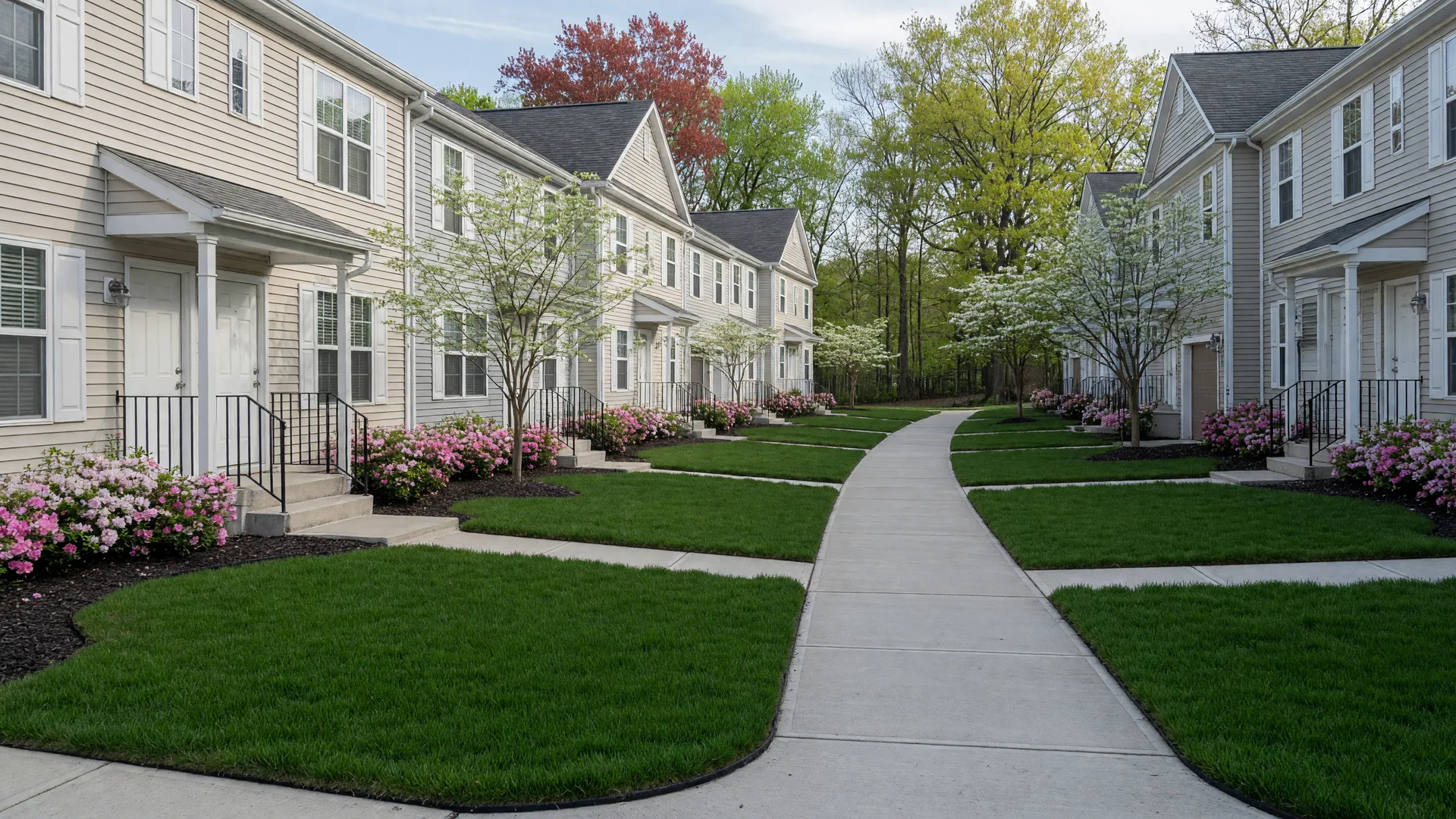
This guide explains how homeowners association, or HOA, communities work in South Jersey: what monthly fees actually cover, the rules you will be expected to follow, how to evaluate an association's finances before you buy, and what New Jersey law requires sellers to disclose. If you are looking at townhouse communities, condos, new-construction neighborhoods, or 55+ communities across Burlington County, an HOA will almost certainly be part of the decision.
In my 20 years in South Jersey real estate, and with more than 728 homes sold, I have seen buyers fall in love with a community and discover the fee structure or the rules only after they were under contract. The goal of this guide is to make sure you go in with clear eyes, so an HOA is one more thing you understand, not a surprise.
What Is an HOA, and Why Are They So Common in South Jersey?
A homeowners association (HOA) is an organization of residents that manages and pays for the shared parts of a community. If you buy a home in an HOA, you automatically become a member, and you pay periodic assessments, usually monthly, to cover community expenses.
HOAs are common in South Jersey for a simple reason: much of the area's housing stock is built in planned communities. Townhome neighborhoods, garden-style condominiums, active-adult and 55+ communities, and many newer single-family developments all rely on an association to handle what individual owners cannot manage alone, like common grounds, shared walkways, and amenities. If you are buying new construction or downsizing into a maintenance-free home, there is a good chance an HOA fee will be part of your monthly housing cost.
The 55+ communities we frequently work with in Burlington County, from LeisureTowne to the Four Seasons communities, are almost all association-run, and that is one reason they appeal to empty nesters. If you are weighing that lifestyle, my downsizing guide for South Jersey walks through how those monthly fees fit into the bigger picture.
What Do HOA Fees Actually Cover?
What your fee pays for depends entirely on the type of community, and this is the part buyers often misunderstand. A fee in a townhouse community covers a lot more than a fee in a single-family neighborhood, because the association owns and maintains parts of the individual homes themselves, like the roof and siding.
- Common-area landscaping and grounds. Lawns, planting beds, entryways, and open space in the shared areas.
- Snow and ice removal. Walkways, driveways in some townhouse communities, and streets.
- Exterior maintenance. In townhome and condo communities this often includes roofs, siding, windows, and shared building systems.
- Amenities. Pools, clubhouses, fitness rooms, tennis and pickleball courts, and playgrounds.
- Community utilities. Water, sewer, and trash in many attached and multifamily communities.
- Master insurance. A policy that covers common areas and, in condos, parts of the building structure.
- Reserves. Money set aside for larger future projects like repaving, roofs, and mechanical systems.
In a single-family neighborhood, the association generally covers less, which is why the fee is usually lower. The fewer services the association provides, the more you pay out of pocket yourself. That trade-off is worth understanding before you compare two communities, because the fee number alone does not tell you the real cost of living there.
How Much Are HOA Fees in New Jersey and South Jersey?
Across New Jersey, HOA fees average roughly $423 per month, with most fees falling somewhere in a wide band depending on the community and what it covers. In South Jersey, published averages and current listings suggest a few common planning ranges:
| Community type | Typical monthly range | What is usually included |
|---|---|---|
| Townhouse community | $200 to $350, with some Burlington County communities lower | Landscaping, snow removal, exterior maintenance, reserves |
| Garden condominium | $300 to $400 and up, more for amenity-rich buildings | Master insurance, building systems, shared interiors and grounds |
| Single-family neighborhood with an HOA | Generally the lowest, covering fewer services | Community areas, entrance and club amenities, security |
| 55+ and amenity-rich communities | Varies widely by amenity package | Clubhouse, pool, fitness, grounds, and often exterior services |
Treat these as ranges for planning, not as quotes. The only number that matters is the one in the community budget you review before you make an offer. Some Mount Laurel townhouse communities run lower, and some older condo buildings run higher, depending on deferred maintenance, insurance, and amenities.
HOA vs Condo Association: What Is the Difference?
People use the terms interchangeably, but there is a real distinction. With a condominium, you own the interior of your unit and the association owns and maintains the building's common areas. Your assessment covers structural systems and shared spaces. In a townhouse community you typically own both the interior and the exterior of your unit, and the HOA still maintains shared grounds and, often, some exterior components. In a single-family development, the HOA focuses almost entirely on shared community areas.
What you own, what the fee covers, and what you are responsible for yourself all depend on the governing documents. That is why one of the smartest questions you can ask any agent is: "What does the fee cover, and what am I responsible for?" In writing. My new construction vs existing homes guide digs into how these obligations can differ between a new development and a resale community.
What Rules Come With an HOA Community?
The rules, laid out in the CC&Rs (covenants, conditions, and restrictions) and bylaws, govern what owners can do with their property. Rules are the part of HOA living that surprises the most people, so it is worth describing the common ones:
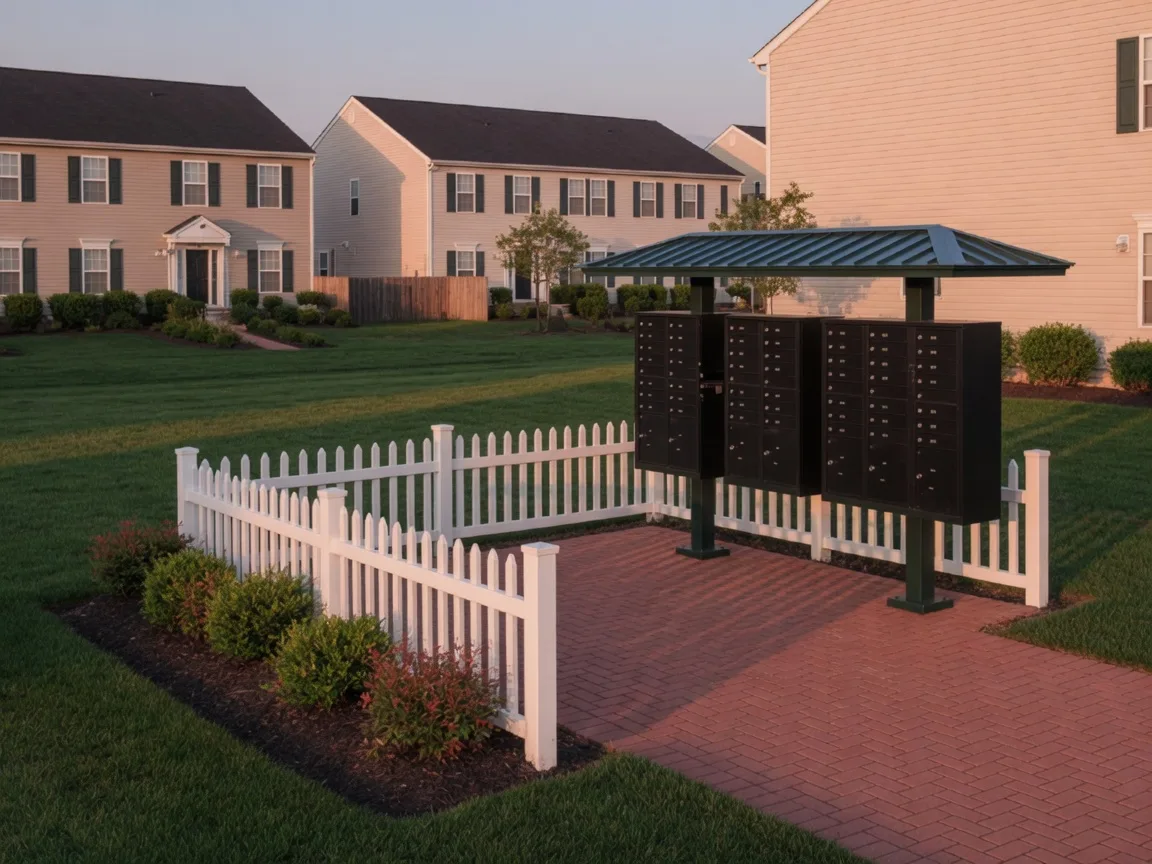
- Exterior appearance. Paint colors, roofing materials, fencing, and even the style of your mailbox are often controlled.
- Parking. Street parking limits, guest parking rules, and where you can park a trailer, a boat, or a commercial vehicle.
- Landscaping standards. Lawn maintenance, and in many communities, limits on trees, sheds, and hardscaping you add yourself.
- Pets. Size, breed, and weight limits in some associations.
- Leasing and rentals. Many South Jersey associations limit the number of rental units, and some require board approval for long-term leases.
- Short-term rentals. Restrictions on Airbnb and similar rentals are increasingly common in new-construction communities.
No rule book should scare you off by itself, but it should be read before you make an offer. A rule book that matches how you want to live adds confidence. A rule book that fights your plans, say, a dog you already own or the idea of renting out a guest cottage, is a real reason to keep looking. That read-through is exactly where a good agent earns their keep.
What Questions Should I Ask Before Buying in an HOA Community?
Here is the checklist I give every buyer considering an association community. Walk through these before you make an offer:
- What is the current monthly assessment, and what is the history of increases over the last five years?
- What exactly is included, and what am I responsible for myself, things like the water heater, appliances, HVAC, and driveway?
- How healthy is the reserve fund? Is it funded at the level the reserve study recommends?
- Is there any pending or looming special assessment in the budget or the board minutes?
- Are there any lawsuits involving the association?
- What are the rules about pets, parking, rentals, and exterior changes, and do they fit how I want to live?
- How many units are owner-occupied versus rented?
- Are there amenities, and who pays for their repair when something big fails?
- Can I read the board meeting minutes from the last six to twelve months?
- Would the rules and fees still work if my plans change, like renting the home out later?
A short conversation with a board member or the property manager, plus a reading of the documents, will answer almost all of these. If an agent brushes these questions off, that is a signal worth noticing.
What Is the Resale Package in New Jersey, and Why Does It Matter?
The good news: New Jersey is one of the stronger states for buyer protection in association communities. Under the New Jersey Planned Real Estate Development Full Disclosure Act, the seller (or the developer, for new construction) is required to provide you with the association's governing documents, including the CC&Rs, bylaws, and rules, plus the current budget, the reserve-fund status, and word of any pending special assessments, before you close.
New Jersey law also gives buyers in these communities an absolute right to rescind, or cancel, the purchase contract within seven calendar days of signing it, for any reason at all. That is a powerful window, and using it to have your attorney and your agent review every page of the package is exactly what a smart buyer does.
For a deeper look at how inspection and other timeframes work together in the contract, my guide to New Jersey contract contingencies explains what you can and should make part of the offer.
How Do I Evaluate an Association's Financial Health?
The budget and the meeting minutes tell a story about a community, and a practiced buyer reads that story. Focus on three things:
- Reserves. Is money being set aside for predictable future costs like roofs, parking lots, and repainting? A community that stays chronically underfunded is a future special-assessment candidate.
- Delinquencies. How many homeowners are behind on assessments? Persistent delinquency strains a community and raises the risk of special assessments down the road.
- Deferred maintenance. Look for signs of worn roofs, cracked walkways, or aging amenities that have not been repaired. If nothing is being set aside, you will be paying for those repairs eventually.
None of this requires you to be an accountant. It requires you to skim the budget and minutes, ask questions, and have someone who knows the local market spot the red flags. That is part of what I do for buyers in these communities every week.
How Do HOA Fees Affect Home Value and Your Resale?
A well-run, adequately funded association tends to protect and even support values, because the community stays neat and shared repairs are rarely a surprise. A poorly run association, by contrast, becomes a line in the listing story: buyers and appraisers factor a low reserve or a pending assessment into their numbers, and lenders take a close look too.
The trade-off buyers feel most directly is that the monthly fee is part of your affordable payment; it does not always show up in the list price. A $300-per-month association fee adds up to real money over a year, and it needs to be budgeted right alongside taxes and insurance. In markets like Mount Laurel and Medford, where two similar communities can carry very different fees, the total monthly cost, not just the price, is what separates an affordable home from a stretch.
Are HOA Communities a Good Fit for 55+ and Downsize Buyers?
For many downsizers, association living is precisely the point. The fee buys the freedom to lock the door and go for a month without a second thought: no one needs you to mow, shovel snow, or call the roofer, because the community handles it.
The key for this group is to test the fee assumptions against the maintenance budget. A healthy fee in an active-adult community often includes snow removal, exterior care, and clubhouse access, which would cost thousands a year to buy piecemeal on your own. My Burlington County 55+ communities guide and the complete downsizing guide both walk through the association-fee math at this stage of life.
Frequently Asked Questions About HOAs in South Jersey
What should I know before buying a home with an HOA in South Jersey?
Read the governing documents, the current budget, and the meeting minutes before you sign. Confirm the monthly fee, what it covers, the reserve fund balance, and any pending special assessments. New Jersey's rescission right lets you back out shortly after signing if the documents are not what you expected.
What do HOA fees typically cover in New Jersey?
It depends on the community type. Townhome and condo fees usually cover common grounds, snow removal, exterior and building systems, master insurance, amenities, and reserves. Single-family associations typically cover fewer services, which is why their fees run lower.
Do HOA fees in New Jersey include utilities?
In many townhome and condo communities, yes. Trash, sewer, and sometimes water are included in the fee, and some communities negotiate cable as part of a master agreement. Check the current budget to confirm what is covered.
What if the HOA is planning a special assessment?
Special assessments pay for large repairs or deferred maintenance, and they are more common in older or underfunded communities. Ask for the reserve study and recent meeting minutes, and factor any planned assessment into your offer.
Should I avoid buying a home with an HOA?
Not necessarily. In South Jersey townhome, new-construction, and 55+ communities, a well-run HOA is a benefit because it manages maintenance you would otherwise handle. Evaluate the fees, the rules, and the financial health of each community before you decide.
How do I get the HOA documents before buying?
In New Jersey, the seller is required to provide the resale package, the governing documents, budget, and reserve information, before closing. Ask your agent to request it as soon as you are under contract and review it during your rescission period.
If you are looking at association communities in Burlington County or anywhere in South Jersey, I would like to help you read the documents, compare the communities, and negotiate with the numbers in front of you. My short answer on buying a home with an HOA is a handy quick reference, and the deeper conversation is easy to start.
Let Us Walk Through Your Options
Whether you are deciding between two association communities, a townhome versus a single-family home, or just figuring out where to start, the smartest first move is a conversation. There is no obligation and no timeline for that conversation. The point is to get clear on your goals, your numbers, and which community fits.

Bob Millaway
Epique Realty Agent and AI Certified Agent with 20+ years of experience and over $115 million in career sales. Bob helps buyers and sellers across Burlington County and South Jersey navigate the association market with confidence.
License: Salesperson · 791082 · NJ
856.426.1522