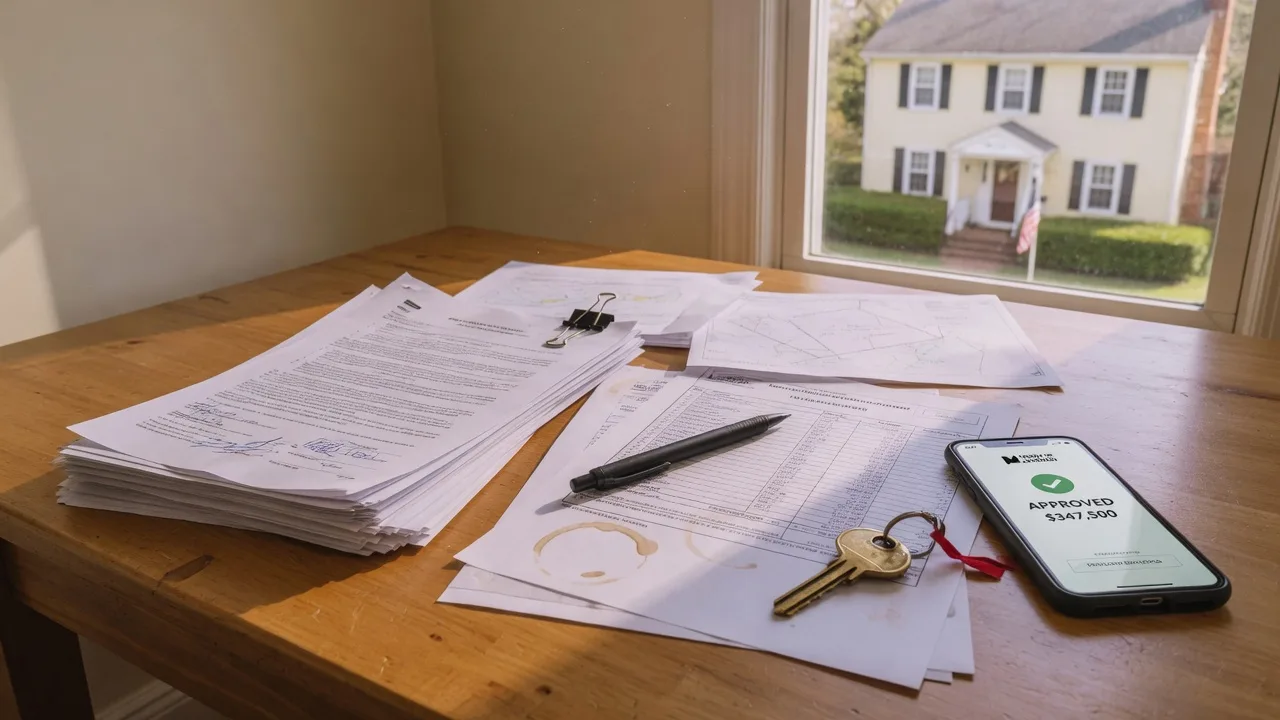
A contract contingency is a condition written into a real estate purchase agreement that must be met for the sale to go through. If the condition is not satisfied, the buyer (or in some cases the seller) can cancel the contract without penalty. Contingencies exist to protect both parties, but they are especially important for buyers, who risk the most when entering a transaction.
I have guided more than 728 buyers and sellers through real estate transactions in Burlington County and across South Jersey. If there is one thing I have learned, it is that the buyers who understand their contingencies are the ones who close with confidence. The ones who do not understand them often end up stressed, surprised, or worse, stuck in a deal they wish they could escape.
In New Jersey, a real estate purchase contract typically includes several standard contingencies. The five most common are the inspection contingency, the financing contingency, the appraisal contingency, the home sale contingency, and the title contingency. Each one serves a specific purpose and has its own timeline and rules. Here is what you need to know about each one.
1. The Inspection Contingency: Your Right to Know What You Are Buying
The inspection contingency gives you the right to have the home professionally inspected within a specified period, typically 10 to 14 days after the contract is signed. If the inspection reveals issues you are not willing to accept, you can negotiate with the seller or walk away entirely.
What a standard inspection covers: A general home inspection evaluates the roof, foundation, structure, electrical system, plumbing, HVAC, insulation, windows, doors, and visible interior and exterior surfaces. Additional inspections, like radon testing, termite inspection, mold inspection, and sewer line scope, are often recommended but are not part of the standard inspection.
What happens after the inspection: Once the report comes back, you have several options. You can accept the property as-is, request that the seller make specific repairs, ask for a credit at closing to handle repairs yourself, or cancel the contract if the issues are too significant.
How to negotiate after an inspection: Not every issue in an inspection report needs to be addressed. Focus on safety concerns, code violations, active leaks, and non-functioning major systems. Cosmetic issues and normal wear and tear are generally not reasonable requests. For a detailed walkthrough of this phase, read my guide on negotiating after a home inspection.
Should you waive the inspection contingency? In a competitive market, some buyers waive the inspection contingency to make their offer more attractive. I generally advise against waiving it entirely. A better approach is to agree to an informational inspection, meaning you will not ask for repairs under a certain dollar amount but you still have the right to walk away if major issues are discovered. This protects you from the biggest risks while keeping your offer competitive.
2. The Financing Contingency: Protecting Your Loan Approval
The financing contingency protects you if your mortgage loan falls through for reasons beyond your control. If you cannot secure financing by the specified deadline, you can cancel the contract and get your earnest money deposit back.
How it works: The contingency specifies a timeline, usually 30 to 45 days, for you to obtain a firm loan commitment from your lender. During this period, your lender processes your application, orders the appraisal, and verifies your income, assets, and credit. If the lender denies your loan or cannot meet the required terms, you can back out.
What can go wrong: Financing falls through for many reasons. Your credit score may change due to a new credit inquiry or missed payment. Your debt-to-income ratio may shift if you take on new debt. Your lender may require additional documentation you cannot provide. The property may not meet the lender's requirements. Being fully pre-approved before you make an offer significantly reduces these risks, but it does not eliminate them entirely.
How to strengthen your position: The best way to make your financing contingency less risky to a seller is to get fully pre-approved, not just pre-qualified, before you start making offers. A pre-approval letter from a reputable local lender carries significantly more weight than one from an online lender. Sellers and their agents know that local lenders close on time.
For a complete guide to the pre-approval process, read how to get pre-approved for a mortgage in South Jersey.
Bob's Tip: Avoid These Pre-Approval Mistakes
- Do not apply for new credit cards or loans while your mortgage is being processed
- Do not change jobs or employment status before closing
- Do not make large deposits without documenting the source of funds
- Do not co-sign for anyone else's loan during the process
- Do not miss any document requests from your lender
3. The Appraisal Contingency: Making Sure the Home Is Worth the Price
The appraisal contingency protects you if the home appraises for less than your offer price. The appraisal is ordered by your lender to confirm that the property is worth the amount you are borrowing. If the appraised value comes in low, you have several options.
What happens when the appraisal is low: If the home appraises for $380,000 but you offered $400,000, the lender will only lend based on the appraised value. You would need to either negotiate the price down to $380,000, pay the $20,000 difference in cash, or walk away. In Burlington County, appraisal gaps are most common in competitive neighborhoods where homes sell above market value.
How common are low appraisals in South Jersey? Low appraisals happen, but they are not the norm in a stable market. In Burlington County, most homes appraise at or near the contract price when the home is priced correctly. The risk increases when buyers offer significantly above asking price in a multiple-offer situation.
Should you waive the appraisal contingency? In a competitive market, some buyers waive the appraisal contingency entirely or agree to cover an appraisal gap up to a certain amount. For example, you might offer $400,000 and agree to cover up to $10,000 of any appraisal gap. This makes your offer more attractive while limiting your risk. Only take this approach if you have the cash reserves to cover the potential gap.
For a deeper look at how appraisals work, read understanding your home appraisal: what sellers need to know.
4. The Home Sale Contingency: Coordinating Two Transactions
The home sale contingency, also called a kick-out clause, makes your offer contingent on the sale of your current home. This is one of the most common contingencies in South Jersey, especially for move-up buyers and downsizers.
How it works: Your offer includes a clause stating that the purchase of the new home is contingent on the successful sale of your current home within a specified timeframe. If your home does not sell, you can cancel the contract without penalty.
The challenge for sellers: From a seller's perspective, a home sale contingency introduces significant uncertainty. They do not know when or if your home will sell. In a competitive market, many sellers will choose an offer without a home sale contingency over one that has it, even if the price is slightly lower.
How to make it work: If you need a home sale contingency, there are ways to make your offer more attractive. List your current home before you start looking for a new one so you are further along in the process. Work with an agent who has a strong track record of selling homes quickly. Consider a bridge loan or a sale-leaseback agreement to bridge the gap between transactions. Discuss these options with your agent and lender before making an offer.
For a complete guide to navigating this situation, read how to sell your home in South Jersey and explore my Trade-In program.
5. The Title Contingency: Clearing the Ownership Chain
The title contingency ensures that the seller has clear legal ownership of the property and the right to transfer it to you. A title search is conducted by a title company or real estate attorney to check for liens, judgments, easements, and other claims against the property.
What the title search looks for: Outstanding mortgages that have not been paid off, tax liens, mechanic's liens from contractors who were not paid, judgments against the seller, easements that affect your use of the property, and HOA or condo association liens. In Burlington County, title issues are most common with older properties, estate sales, and homes that have been in the same family for decades.
What happens if a title issue is found: If a title issue is discovered, the seller is typically responsible for resolving it before closing. This might mean paying off a lien, obtaining a release from a contractor, or clearing an old judgment. Most title issues are resolved without significant delays, but some can take weeks or months.
Title insurance: Your lender will require a lender's title insurance policy. I strongly recommend purchasing an owner's title insurance policy as well. It protects you if a title issue is discovered after you close, and it is a one-time cost paid at closing. For a typical home in the $400,000 range in Burlington County, an owner's title policy costs approximately $1,000 to $1,500.
For more on the closing process, read title insurance: what it is and why you need it and closing costs explained.
Contingency Timeline: How the Process Unfolds in New Jersey
Understanding the timeline is essential. In New Jersey, a typical purchase contract runs 45 to 60 days from acceptance to closing. Here is how the contingencies fit into that timeline:
| Timeline | Contingency |
|---|---|
| Days 1 to 3 | Attorney review period (both parties can back out without penalty) |
| Days 5 to 14 | Inspection period (schedule and complete inspections, negotiate repairs) |
| Days 10 to 30 | Appraisal ordered and completed by lender |
| Days 1 to 45 | Financing contingency (loan approval, underwriting, conditions satisfied) |
| Days 1 to 45 | Title search (clear any liens, judgments, or ownership issues) |
| Days 45 to 60 | Clear to close, final walkthrough, closing day |
What Happens If a Contingency Is Not Met?
This is the question every buyer should understand before signing a contract. If a contingency deadline passes without being satisfied or waived, the contract typically gives the buyer the right to cancel. But the exact process depends on the specific contingency and how it is written.
- If you want to cancel: You must provide written notice to the seller before the contingency deadline expires. Your agent and attorney will handle this. Once notice is given, your earnest money deposit is returned, and the contract is terminated.
- If you do nothing: Some contracts treat silence as acceptance. If the contingency deadline passes and you do not act, you may be deemed to have waived the contingency. This is one of the most common and costly mistakes buyers make. Never let a contingency deadline pass without actively addressing it.
- If the seller disputes: In rare cases, the seller may dispute your right to cancel, especially if they believe you are acting in bad faith. Your attorney will handle this. The standard New Jersey contract gives buyers broad rights to cancel within the contingency period.
The key takeaway is simple. Work with your agent to manage every contingency deadline. Do not assume anything will happen automatically. A good agent will track every date and make sure you have clear options before each deadline.
Should You Remove Contingencies to Win in a Competitive Market?
In Burlington County's most desirable neighborhoods, removing or limiting contingencies is sometimes necessary to compete. But it should always be a calculated decision, not a desperate one. Here is a framework for deciding which contingencies to keep, modify, or remove:
Contingency Strategy by Market Condition
Buyer's Market (more inventory, fewer buyers)
Keep all contingencies. You have negotiating power. Sellers are eager to sell and will accept standard terms.
Balanced Market (moderate inventory, steady demand)
Keep all contingencies but be prepared to negotiate. In multiple-offer situations, consider limiting inspection repair requests and offering appraisal gap coverage.
Seller's Market (low inventory, high demand)
Consider strategic modifications. Limit inspection repair requests to major issues. Offer appraisal gap coverage if you have cash reserves. Get fully pre-approved to strengthen your financing contingency. Consider a larger earnest money deposit.
The right strategy depends on your specific situation. Your financial reserves, your risk tolerance, and how much you want that particular home all factor in. I help every buyer evaluate these trade-offs honestly, without pressure. For a complete guide to crafting offers in any market, read how to write a winning offer in South Jersey.
Frequently Asked Questions About Contract Contingencies
What is the attorney review period in New Jersey?
New Jersey gives both parties a three-business-day attorney review period after the contract is signed. During this time, either party can back out for any reason without penalty. This is a unique feature of New Jersey real estate law and provides an important window of protection for both buyers and sellers.
Can I lose my earnest money if a contingency is not met?
Generally, no. If you cancel the contract within a valid contingency period and follow the proper procedures, your earnest money is returned. The most common way buyers lose their earnest money is by failing to meet a contingency deadline or by canceling outside of the contingency period without a valid reason.
What happens if my loan is denied after the financing contingency expires?
If the financing contingency has expired and your loan is denied, you may lose your earnest money deposit. This is why it is critical to stay on top of your loan process and communicate with your lender early. If you anticipate a problem, ask your agent to negotiate an extension before the contingency deadline passes.
Can a seller back out during the contingency period?
In most cases, the contingency periods protect the buyer, not the seller. A seller cannot cancel the contract just because they received a higher offer. However, during the attorney review period (first three business days), either party can back out for any reason. After that, the seller can only cancel if the buyer fails to meet their obligations under the contract.
How many contingencies are standard in a New Jersey real estate contract?
A standard New Jersey purchase contract typically includes contingencies for inspection, financing, appraisal, title review, and insurance. Additional contingencies can be added for home sale, well and septic testing, radon, lead-based paint, and other specific concerns. The exact contingencies depend on the property type and your lender's requirements.
What is the difference between pre-qualified and pre-approved?
Pre-qualification is a quick estimate based on self-reported information. Pre-approval involves a full review of your income, assets, credit, and debt by a lender. A pre-approval letter carries real weight with sellers because it means a lender has already verified your financial information. Always get fully pre-approved before making an offer.
Know Your Contingencies Before You Make Your Offer
Real estate contract contingencies exist to protect you. They give you the right to inspect the home, secure financing, confirm the value, and ensure clear title before you commit your life savings. Understanding them is not optional. It is essential.
Every transaction is different. The right contingencies for your situation depend on the property, the market, your financing, and your personal risk tolerance. I work with every buyer to craft an offer that is competitive without being reckless. We will go through each contingency together, discuss the trade-offs, and create a strategy that protects your interests.
If you are thinking about buying a home in Burlington County or anywhere in South Jersey, let us talk. I will answer your questions, explain the process, and help you make an informed decision. Educating you first. Selling second. That is how I have built relationships that last for decades.

Bob Millaway
Epique Realty Agent and AI Certified Agent with 20+ years of experience and over $115 million in career sales. Bob combines local expertise, honest guidance, and cutting-edge technology to help buyers navigate every step of the home buying process with confidence.
License: Salesperson · 791082 · NJ
Buying Services