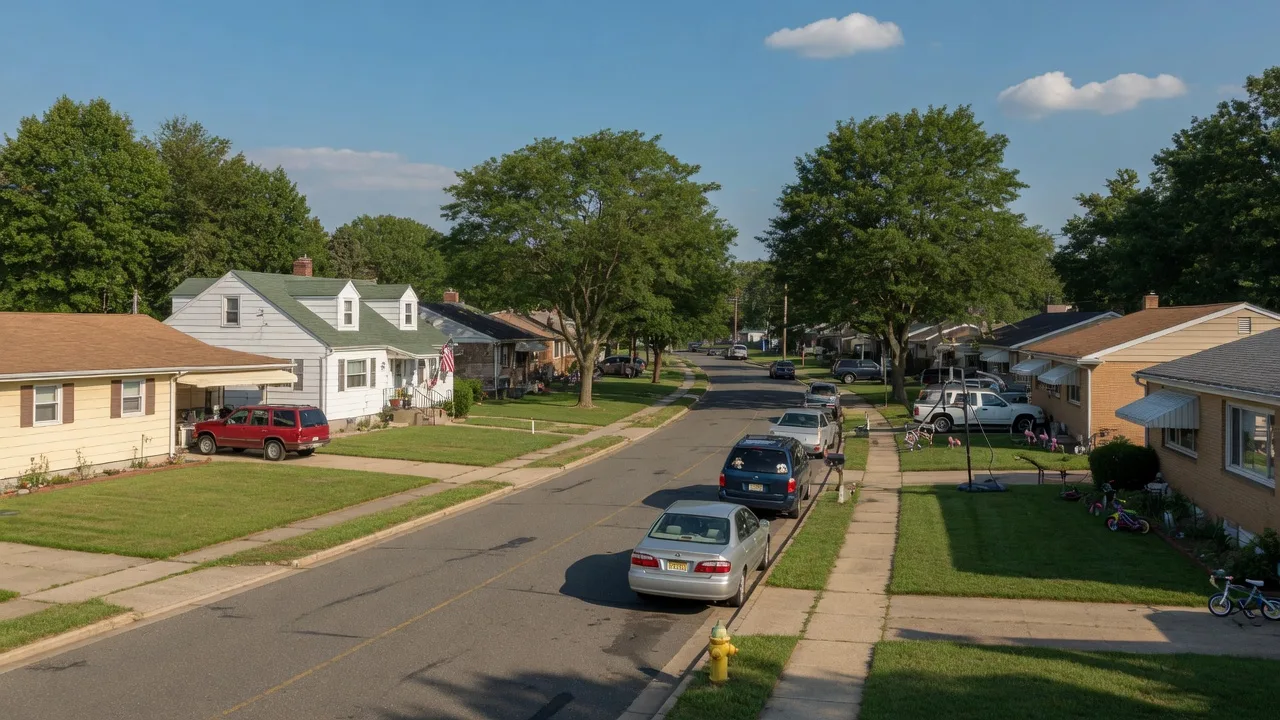
You found the perfect home. The one with the big backyard in Moorestown, the updated kitchen in Mount Laurel, or the quiet street in Medford that checks every box. Now comes the hard part. Getting your offer accepted.
In South Jersey's competitive real estate market, a strong offer is about much more than just the price. I have guided more than 728 buyers and sellers through this process, and I can tell you with confidence that the best offers win because they are strategically crafted, not just the highest number.
This guide walks through everything you need to know about writing an offer that stands out, from pricing strategy and contingencies to timing and the human factors that can make or break a deal.
What Makes an Offer Stand Out in South Jersey?
Every seller wants the highest price, but they also want certainty. A deal that falls through after 60 days costs them time, money, and the risk of having to re-list a property that now carries the stigma of a failed transaction. That is why the strongest offers balance price with terms that signal reliability.
In Burlington County, where inventory in desirable towns like Moorestown, Medford, and Mount Laurel remains tight, sellers often receive multiple offers within the first week. The buyers who win are the ones who understand that the offer is a total package, not just a dollar amount.
The Four Pillars of a Winning Offer
1. Price: How Much Should You Offer?
The price you offer should be based on data, not emotion. Your agent should provide a comparative market analysis showing recent sales of similar homes in the neighborhood. Look at the price per square foot, the condition of the homes that sold, and how long they were on the market.
In a competitive market, offering at or slightly above asking price is common. But the right number depends on the home's true market value. If a home is priced below market to attract multiple offers, you may need to go above asking. If a home is already priced at the top of its range, a full-price offer may be enough.
The key is to know the market. In Moorestown, for example, well-maintained colonial homes in the $500,000 to $700,000 range often receive multiple offers within days. In nearby Mount Laurel, the same price range may have slightly more inventory, giving buyers a bit more negotiating room. Your agent should know these micro-market differences.
2. Contingencies: What to Include and What to Waive
Contingencies are the conditions that must be met for the sale to go through. The most common are the financing contingency, the inspection contingency, and the appraisal contingency. Each one protects you as a buyer, but each one also makes your offer less attractive to a seller.
In a competitive market, you may need to be strategic about which contingencies to keep and which to modify. Here is how each one works:
- Financing contingency: This protects you if your loan falls through. Getting fully pre-approved (not just pre-qualified) before you make an offer shows the seller you are a serious buyer. A pre-approval letter from a reputable local lender carries more weight than one from an online lender.
- Inspection contingency: This lets you walk away if the inspection reveals major issues. You can make your offer stronger by agreeing to an informational inspection only, meaning you will not ask for repairs under a certain dollar amount. This is common in competitive markets.
- Appraisal contingency: This protects you if the home appraises for less than your offer price. If you have the cash to cover a potential gap, you can waive this contingency or limit the gap amount in your offer.
The right approach depends on the market and the property. In a balanced market, keeping all contingencies is reasonable. In a seller's market with multiple offers, modifying your contingencies can make your offer stand out without taking on excessive risk.
3. Earnest Money: Show You Mean Business
Earnest money is a deposit you make when your offer is accepted, demonstrating your commitment to the transaction. In South Jersey, typical earnest money deposits range from 1% to 3% of the purchase price, but in a competitive market, offering a larger deposit can signal strength.
A $10,000 deposit on a $400,000 home shows the seller you are serious and have the financial resources to close. In a multiple-offer situation, a larger earnest money deposit can be the difference between winning and losing the home.
4. Timing: When to Make Your Offer and When to Close
Timing can be a powerful negotiating tool. If you can offer a flexible closing timeline that works with the seller's plans, that can make your offer more attractive than a slightly higher offer with a rigid timeline.
Some sellers need to close quickly because they have already moved. Others need extra time to find their next home. Ask your agent to find out what the seller's ideal timeline looks like, and structure your offer to match it.
The timing of the offer itself also matters. Making an offer early in the listing period, before the seller has collected multiple offers, can give you an advantage. An offer within the first 48 hours of a listing often gets serious consideration because the seller knows the market is responding.
How to Compete in a Multiple-Offer Situation
When a home receives multiple offers, the seller's agent may ask for highest and best offers by a specific deadline. This is common in Burlington County's most desirable neighborhoods. Here is how to position yourself to win:
- Know your max number before you start. Decide the highest price you are comfortable with, and stick to it. Do not let the emotion of a bidding war push you beyond your financial limits.
- Consider an escalation clause. This automatically increases your offer by a set amount (for example, $2,000) above any competing offer, up to a maximum price. It signals that you are serious without overpaying.
- Write a personal letter. A well-written letter to the seller, sharing why you love the home and how you plan to make it your own, can make a difference in a close decision. Sellers often have emotional attachments to their homes.
- Include a pre-approval letter. A full pre-approval from a local lender shows you are qualified and ready to close. It removes one of the biggest uncertainties for the seller.
For a deeper dive into bidding war strategies, read my detailed guide on multiple offer strategies.
What Sellers Look for Beyond Price
Many sellers care about more than just the highest number. Here is what I have seen sellers prioritize when choosing between offers:
- Certainty of closing: A cash offer with no financing contingency is the gold standard. But a strong pre-approval from a local lender is nearly as good.
- Timeline flexibility: A seller who needs time to find their next home may prefer a longer closing timeline over a higher price.
- Fewer contingencies: Fewer conditions mean fewer chances for the deal to fall through. Every contingency you can limit or remove makes your offer stronger.
- Larger earnest money deposit: A bigger deposit shows commitment and financial capacity.
- Local lender: Sellers and their agents know that local lenders close on time. Online lenders can be slower and less reliable.
Common Mistakes Buyers Make When Writing Offers
Over the years, I have seen buyers make the same mistakes again and again. Here are the most common ones to avoid:
- Offering without a pre-approval: Making an offer without being fully pre-approved is a waste of everyone's time. Sellers will not take you seriously.
- Getting emotionally attached too early: Fall in love with the home after you own it. Before that, stay objective and stick to your numbers.
- Ignoring the inspection contingency: Waiving the inspection entirely can be risky. A better approach is to limit repair requests to major structural or safety issues.
- Lowballing in a seller's market: In a competitive market, a low offer will not get a counteroffer. It will simply get ignored.
- Not understanding the true cost: Property taxes, closing costs, and HOA fees add up. Make sure you know the full monthly cost before you commit.
How the Offer Process Works in New Jersey
New Jersey has specific rules and timelines for the offer process. Here is a quick overview of what to expect:
- Verbal or written offer: Your agent presents the offer to the seller's agent, either verbally or in writing. In competitive situations, written offers are standard.
- Negotiation: The seller may accept, reject, or counter your offer. Most offers go through at least one round of negotiation.
- Attorney review: New Jersey requires a real estate attorney for the purchase contract. Both parties have a three-day attorney review period to back out of the contract without penalty.
- Ratification: Once both parties sign the contract and the attorney review period expires, the deal is under contract.
- Due diligence period: This is when inspections, appraisal, and financing are completed. The timeline is typically 30 to 45 days.
Frequently Asked Questions About Writing Offers
Should I offer above asking price in South Jersey?
In a competitive market, offering above asking is common for desirable homes in towns like Moorestown, Medford, and Mount Laurel. But the right price depends on the home's true market value. Your agent should provide comparable sales data to guide your decision.
How long does a seller have to respond to an offer?
In New Jersey, offers typically include a response deadline, usually 24 to 72 hours. In a competitive situation, a shorter deadline can create urgency and prevent the seller from shopping your offer around.
What is the attorney review period in New Jersey?
New Jersey gives both parties a three-business-day attorney review period after the contract is signed. During this time, either party can back out without penalty. This is a unique feature of New Jersey real estate law.
Can I make an offer before seeing the home in person?
Yes, but it carries risks. If you must make an offer sight unseen, include strong contingencies and have someone you trust visit the property on your behalf. Read my guide on making an offer sight unseen for more details.
What happens if the appraisal comes in low?
If the home appraises for less than your offer, you have several options: negotiate the price down, pay the difference in cash, or walk away if you have an appraisal contingency. In a competitive market, some buyers agree to cover an appraisal gap up to a certain amount.
Ready to Make Your Best Offer?
Writing a winning offer takes strategy, market knowledge, and a clear understanding of your goals. I work with every buyer to craft offers that are competitive without being reckless. Whether you are making your first offer or your fifth, I will be with you every step of the way.
Let us talk about what you are looking for and how we can position you to win the home you want.

Bob Millaway
Epique Realty Agent and AI Certified Agent with 20+ years of experience and over $115 million in career sales. Bob combines local expertise, honest guidance, and cutting-edge technology to help buyers and sellers navigate every market condition with confidence.
License: Salesperson · 791082 · NJ
Buying and Selling Services