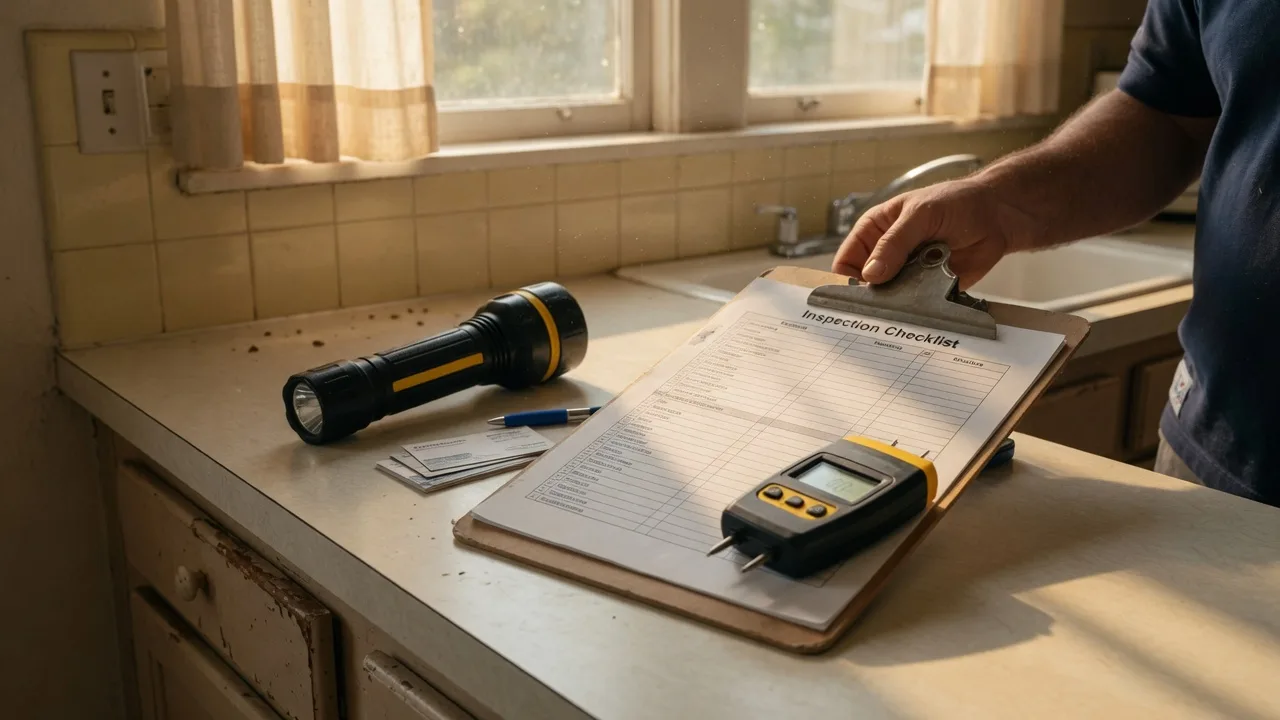
Your offer was accepted. Congratulations. But before you celebrate, there is one more hurdle to clear. The home inspection.
The inspection is one of the most important steps in the home buying process. It is also one of the most common sources of negotiation. After the inspection report comes back, you will have to decide what to ask for and how hard to push. The way you handle this phase can determine whether the deal closes smoothly or falls apart entirely.
I have guided hundreds of buyers through this exact situation. Here is what I have learned about what sellers will actually accept, what they will push back on, and how to negotiate in a way that protects your interests without killing the deal.
What a Home Inspection Actually Covers
A standard home inspection in New Jersey covers the major systems and components of the home. The inspector will evaluate the roof, foundation, structure, electrical system, plumbing, HVAC, insulation, windows, doors, and visible interior and exterior surfaces. Most inspections take two to four hours for a typical single-family home.
The inspector will produce a detailed report with photos and descriptions of every issue found. Some issues will be minor, like a loose handrail or a dripping faucet. Others may be significant, like an outdated electrical panel or a roof nearing the end of its life. Understanding the difference is the key to successful negotiation.
In Burlington County, a typical inspection costs $400 to $600 for a home in the $300,000 to $600,000 range. It is one of the best investments you can make as a buyer. The report gives you both leverage and peace of mind.
What Sellers Will Almost Always Accept
Sellers generally expect to address certain types of issues after an inspection. These are the items that experienced sellers and their agents know will come up in almost every transaction:
- Safety issues: Exposed wiring, missing smoke detectors, carbon monoxide detector issues, and unsafe railings are almost always addressed without pushback.
- Code violations: If the home has a clear code violation, most sellers will correct it to avoid liability and close the deal.
- Active leaks: A leaking roof, plumbing leak, or water intrusion issue is a non-negotiable repair for most sellers.
- Non-functional major systems: If the furnace does not work, the AC is dead, or the water heater is inoperable, the seller will typically repair or replace them.
- Pest issues: Active termite infestation or other pest problems are typically addressed by the seller, often with a professional treatment and warranty.
These are the "must fix" items. If you request repairs in these categories, most sellers will agree without significant resistance because they know the same issues would come up with any buyer.
What Sellers Will Usually Push Back On
Sellers are less likely to agree to requests that fall into these categories. Understanding this upfront can help you prioritize your requests and avoid asking for things that will create unnecessary friction:
- Pre-existing conditions: If the home had a known issue when you made your offer, like an older roof or an aging HVAC system, the seller will argue that you factored that into your offer price. They are often right.
- Cosmetic issues: Scuffed paint, worn carpet, and minor cosmetic flaws are not repair items. The seller will almost always say no to these requests.
- Normal wear and tear: Minor cracks in driveway, worn seals on windows, and age-appropriate deterioration are part of homeownership. Sellers will not pay to replace a roof that still has five years of life left.
- Items already disclosed: If the seller disclosed a known issue in the seller's disclosure form, asking them to fix it after the inspection is unlikely to succeed.
- Unpermitted work: If the seller made improvements without permits, expecting them to retroactively permit and fix everything is often unrealistic. This is a conversation about risk tolerance, not repair requests.
The Strategy That Works: Prioritize, Not Everything
The biggest mistake I see buyers make is asking for everything on the inspection report. A list of 30 repair requests signals to the seller that you are going to be difficult to work with. It risks souring the relationship and can lead to the seller choosing to go back to the market with another buyer.
Here is the approach I recommend to every buyer I work with:
- Separate the report into three categories: Must-fix (safety, code, active leaks), Should-fix (aging systems, moderate issues), and Nice-to-fix (cosmetic, minor, wear and tear).
- Focus your request on the must-fix items. These are the issues that affect the safety, habitability, or structural integrity of the home.
- Consider a credit instead of repairs. If you prefer to handle the repairs yourself, ask for a seller credit at closing. This gives you control over the quality and timing of the work.
- Be willing to compromise on the should-fix items. If the seller pushes back on a mid-range issue, consider meeting them halfway. A reasonable compromise keeps the deal moving forward.
How to Ask for Repairs Without Killing the Deal
The way you present your repair request matters as much as the content of the request. Here are some practical tips for keeping the negotiation constructive:
- Use the inspection report as your evidence. The report is an objective third-party document. Reference specific pages and photos to support your request.
- Get repair estimates. If you are asking for a credit, get quotes from licensed contractors. A vague request for $10,000 is less effective than a specific request for $3,500 based on a contractor's estimate.
- Frame it as a partnership. The goal is not to win a battle against the seller. The goal is to find a solution that works for both parties. A collaborative tone goes a long way.
- Know your walk-away point. Before you start the negotiation, decide what issues are deal-breakers. If the seller refuses to address a major structural issue, you need to be prepared to walk away.
Repair Requests vs. Seller Credits: Which Is Better?
When the inspection reveals issues, you generally have two options: ask the seller to make the repairs, or ask for a credit at closing. Each has its advantages.
Seller repairs are convenient. The seller hires the contractor, manages the work, and the home is ready when you move in. The downside is that you have no control over the quality of the work, and the seller will likely choose the cheapest option.
Seller credits give you control. You hire your own contractor, choose the materials, and ensure the work meets your standards. The credit can also reduce your closing costs. The downside is that you have to manage the repair process after you move in.
In a competitive market, many buyers prefer credits because they are simpler for the seller. The seller writes a check at closing, and neither party has to coordinate contractor schedules. This can be a faster path to closing.
What Happens When the Seller Says No?
Sometimes, despite your best efforts, the seller refuses to make repairs or offer a credit. When that happens, you have three options:
- Accept the home as-is: If the issues are minor or you factored them into your offer price, you can simply proceed with the purchase and handle the repairs yourself.
- Negotiate further: You can come back with a compromise position. Maybe you accept a smaller credit or agree to split the cost of the repairs.
- Walk away: If the inspection reveals major issues that the seller will not address, and you have an inspection contingency, you can terminate the contract and get your earnest money back.
The right choice depends on the severity of the issues and your tolerance for post-purchase work. I always advise buyers to look at the big picture. If the home is perfect for you in every other way, walking away over a few thousand dollars in repairs may not be the right call.
Frequently Asked Questions About Inspection Negotiations
Can a seller cancel the contract after the inspection?
In New Jersey, the seller cannot unilaterally cancel the contract after the inspection unless your repair request goes beyond what is reasonable and you are unwilling to compromise. The inspection contingency protects you, not the seller.
How much should I ask for in a seller credit?
Base your request on actual contractor estimates for the repairs. A typical seller credit for inspection-related issues ranges from $1,000 to $5,000, depending on the severity of the issues. Major structural or system replacements can be higher.
Should I be present during the home inspection?
Yes, absolutely. Being present during the inspection lets you see issues firsthand, ask the inspector questions, and understand the severity of each finding. It also helps you prioritize your repair requests.
What if the seller already made repairs but the work looks poor?
You have the right to ask for a re-inspection of the repaired items. If the work is substandard, you can request that it be done properly or ask for a credit to fix it yourself after closing.
Can I back out after the inspection without losing my earnest money?
Yes, if you have an inspection contingency and the issues are significant enough to justify termination. Your agent and attorney should guide you through the proper process to ensure your earnest money is returned.
Need Guidance on Your Inspection Negotiation?
Every inspection is different, and every negotiation is unique. I work with buyers to navigate this process with confidence, ensuring you get the repairs you need without losing the home you want.
If you are in the middle of an inspection negotiation or preparing to make an offer, let us talk about your situation.

Bob Millaway
Epique Realty Agent and AI Certified Agent with 20+ years of experience and over $115 million in career sales. Bob combines local expertise, honest guidance, and cutting-edge technology to help buyers navigate every step of the home buying process.
License: Salesperson · 791082 · NJ
Buying Services