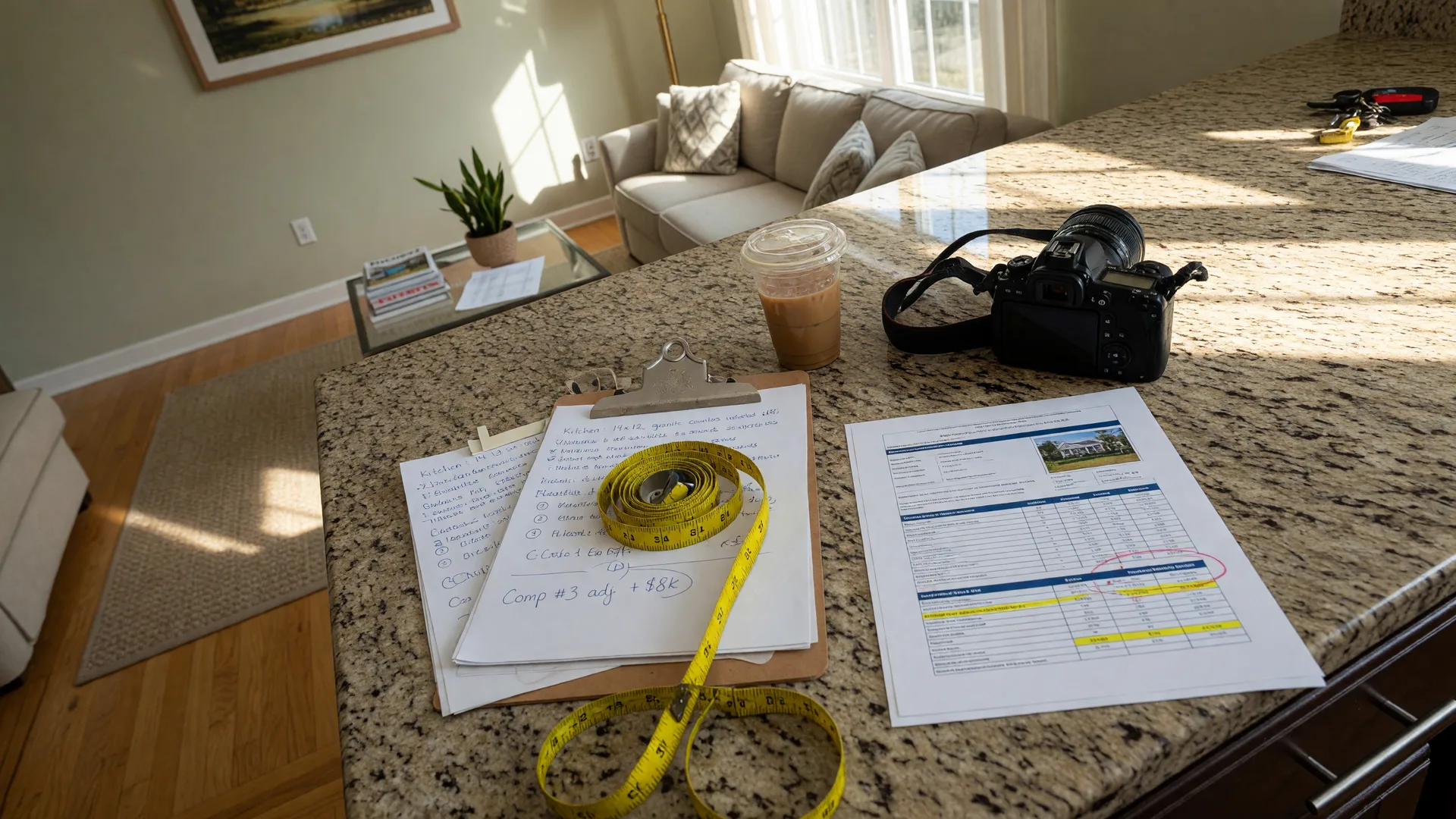
A home appraisal is a professional, unbiased estimate of your property's market value conducted by a licensed appraiser. For South Jersey sellers, understanding how the appraisal process works is essential because it can make or break a sale. If the appraisal comes in lower than the agreed purchase price, the deal can fall apart or require renegotiation.
Over 20 years of selling homes in Burlington County and across South Jersey, I have seen appraisals that confirmed the sale price, appraisals that came in low and killed deals, and appraisals that were successfully challenged. Understanding how the process works and how to prepare for it can save you time, money, and frustration.
What Is a Home Appraisal and Why Is It Required?
A home appraisal is an objective assessment of a property's value performed by a licensed or certified appraiser. Lenders require appraisals to ensure that the property is worth the amount they are lending. If a buyer defaults on the loan, the lender needs to be able to recover their investment by selling the property.
Appraisals protect both the buyer and the lender. The buyer gets confirmation that they are not overpaying, and the lender gets assurance that the property provides adequate collateral for the loan. For sellers, the appraisal is the final hurdle before the sale can close, and it is one of the most common sources of last-minute deal stress.
How Does the Appraisal Process Work in South Jersey?
The appraisal process typically follows these steps:
- The lender orders the appraisal. After the buyer and seller agree on a price and the buyer's loan is under contract, the lender orders an appraisal from a licensed appraiser. The buyer pays for the appraisal, typically $400 to $600 in South Jersey.
- The appraiser schedules an inspection. The appraiser will visit the property to measure, photograph, and assess the home's condition, features, and layout. The inspection usually takes 30 to 60 minutes.
- The appraiser researches comparable sales. The appraiser analyzes recent sales of similar homes in the area to determine the property's value. They look at homes that sold within the last 3 to 6 months, are within a reasonable distance, and are similar in size, age, and features.
- The appraiser delivers the report. The completed appraisal report is sent to the lender. It includes the appraised value, supporting comparable sales data, and a description of the property.
- The lender reviews the appraisal. If the appraised value meets or exceeds the purchase price, the loan process continues. If it comes in lower, the buyer, seller, and agents must decide how to proceed.
What Does an Appraiser Look For?
Appraisers evaluate a wide range of factors when determining your home's value. Understanding what they focus on can help you prepare your home for a successful appraisal.
Key factors appraisers evaluate:
- Location and neighborhood. The quality of the neighborhood, proximity to amenities, school district, and overall desirability.
- Square footage and layout. The appraiser will measure the home's gross living area (GLA) and note the floor plan. Discrepancies between the tax record and actual measurements can cause issues.
- Number of bedrooms and bathrooms. The count and quality of bedrooms and bathrooms are key value drivers.
- Condition and age. The overall condition of the home, including the roof, HVAC, plumbing, electrical, windows, and foundation. Deferred maintenance will lower the appraised value.
- Recent upgrades and renovations. Updated kitchens, bathrooms, flooring, and energy-efficient features can add value, but only if the appraiser can verify them.
- Lot size and features. The size of the lot, landscaping, views, and outdoor living spaces all factor into the value.
- Comparable sales. The most important factor. The appraiser will select 3 to 5 comparable sales that are similar to your home and adjust for differences.
How Can I Prepare for a Home Appraisal?
A little preparation can go a long way toward ensuring a successful appraisal. Here are the steps I recommend to my clients:
Before the appraiser arrives:
- Clean and declutter. A clean, well-organized home makes a better impression. It signals that the home has been well-maintained.
- Make minor repairs. Fix leaky faucets, replace burnt-out light bulbs, patch holes in walls, and address any obvious maintenance issues.
- Provide a list of upgrades. Create a written list of recent improvements, including dates, costs, and permits where applicable. This helps the appraiser accurately account for upgrades.
- Gather relevant documents. Have your property tax assessment, survey, and any previous appraisals available. A list of comparable sales that support your price can also be helpful.
- Ensure access. Make sure the appraiser can access all areas of the home, including the attic, basement, crawlspace, and garage. Unlock gates and clear paths to mechanical systems.
During the appraisal:
- Be present but not hovering. Let the appraiser do their work, but be available to answer questions.
- Point out upgrades and improvements. The appraiser may not notice new countertops or a recent HVAC replacement unless you point them out.
- Provide the upgrade list in writing. This gives the appraiser a reference they can include in their report.
- Be honest about the home's condition. Trying to hide issues will only create problems later.
What Happens If the Appraisal Comes in Low?
A low appraisal is one of the most stressful situations in a real estate transaction, but it does not have to mean the deal is dead. In South Jersey, I have successfully navigated dozens of low appraisal situations. Here are your options:
Option 1: Challenge the appraisal. If you believe the appraiser made an error, used poor comparables, or missed key features, you can request a reconsideration of value. Your agent can submit additional comparable sales, correction of factual errors, or documentation of upgrades that the appraiser may have missed. This is the most common approach and often succeeds when there is strong data to support the original price.
Option 2: Renegotiate the price. The buyer and seller can agree to meet somewhere in the middle. The buyer may be willing to increase their down payment to cover the gap, or the seller may agree to reduce the price to the appraised value. This is often the fastest path to closing.
Option 3: The buyer pays the difference. If the buyer has the financial resources, they can pay the difference between the appraised value and the purchase price in cash. This is most common in competitive markets where buyers want to secure the home.
Option 4: Request a second appraisal. Some lenders will consider a second appraisal if there is a legitimate reason to question the first one. This is less common and usually requires the buyer to pay for the second appraisal.
Option 5: Cancel the contract. If no agreement can be reached, the buyer may be able to cancel the contract based on the appraisal contingency. This is the worst-case scenario, but it happens.
How Does an Appraisal Differ From a Home Inspection?
Many sellers confuse appraisals with home inspections, but they serve very different purposes:
| Factor | Appraisal | Home Inspection |
|---|---|---|
| Purpose | Determine market value for the lender | Identify defects and condition for the buyer |
| Who orders it | Lender | Buyer (recommended) |
| Who pays | Buyer | Buyer |
| Focus | Value based on comparables and condition | Structural integrity, systems, safety |
| Depth | Visual assessment, 30-60 minutes | Detailed inspection, 2-4 hours |
| Result | Appraised value number | Inspection report with defects |
| Required? | Yes, for most financed purchases | No, but strongly recommended |
Both are important, but they serve different purposes. An appraisal protects the lender's investment. An inspection protects the buyer from unexpected repairs.
How Long Does an Appraisal Take?
The appraisal process typically takes 7 to 10 business days from the time the lender orders it. The on-site inspection takes 30 to 60 minutes. The appraiser then spends time researching comparable sales and preparing the report, which usually takes another 3 to 5 business days.
In a hot market, appraisers may be backlogged, and the process can take longer. I recommend building some buffer into your contract timeline to account for potential appraisal delays, especially during the busy spring and summer selling seasons in South Jersey.
How Can I Avoid Appraisal Problems Before Listing?
The best way to avoid appraisal issues is to price your home correctly from the start. Here is how to set yourself up for success:
- Work with an agent who understands appraisals. An experienced agent will know what appraisers in your area look for and how to price your home to appraise.
- Price based on comparable sales, not wishful thinking. The appraisal will be based on the same data your agent uses to set the price. If your list price is not supported by recent sales, the appraisal is likely to come in low.
- Make improvements before listing. Addressing deferred maintenance and making cosmetic updates before you list will help ensure the appraiser sees a well-maintained home.
- Prepare your appraisal package in advance. Have a list of upgrades, permits, and comparable sales ready to share with the appraiser.
- Choose the right appraiser. While you cannot choose the appraiser directly, your agent can provide the lender with a list of appraisers who are familiar with your specific market. This is a common and acceptable practice.
Frequently Asked Questions
Who pays for the home appraisal in South Jersey?
The buyer typically pays for the appraisal as part of their loan application costs. In South Jersey, appraisals generally cost $400 to $600 for a standard single-family home. The cost may be higher for larger properties, unique homes, or investment properties.
Can a seller be present during the appraisal?
It is generally recommended that the seller or their agent be present during the appraisal. This allows you to point out upgrades, provide documentation, and answer questions. However, it is important to let the appraiser do their work without hovering or being overly pushy.
What if the appraisal comes in higher than the purchase price?
This is a best-case scenario. If the appraisal is higher than the purchase price, the buyer gains instant equity. The sale proceeds as planned, and the buyer feels good about the deal. The seller may feel they left money on the table, but a deal that closes is better than one that falls apart over price.
How long is an appraisal valid?
Most lenders consider appraisals valid for 60 to 120 days from the date of the report. In rapidly changing markets, lenders may require a shorter validity period. If the transaction takes longer than expected, a new appraisal or an appraisal update may be required.
Can I challenge a low appraisal?
Yes. If you believe the appraiser made an error, used poor comparable sales, or missed key features of your home, you can request a reconsideration of value. Your agent can submit additional comparable sales, correction of factual errors, or documentation of upgrades. This is often successful when there is strong data supporting the original price.
Need Help Navigating the Appraisal Process?
The appraisal is one of the most critical steps in the home selling process, and having an experienced agent on your side makes all the difference. I have helped hundreds of South Jersey homeowners through successful appraisals and have the experience to handle challenging situations when they arise.
Whether you are preparing to list your home or are already under contract and concerned about the appraisal, I am here to help. No pressure, no obligation. Just honest, experienced guidance.

Bob Millaway
Epique Realty Agent · AI Certified Agent · 728+ homes sold across Burlington County and South Jersey. Licensed NJ Salesperson #791082.