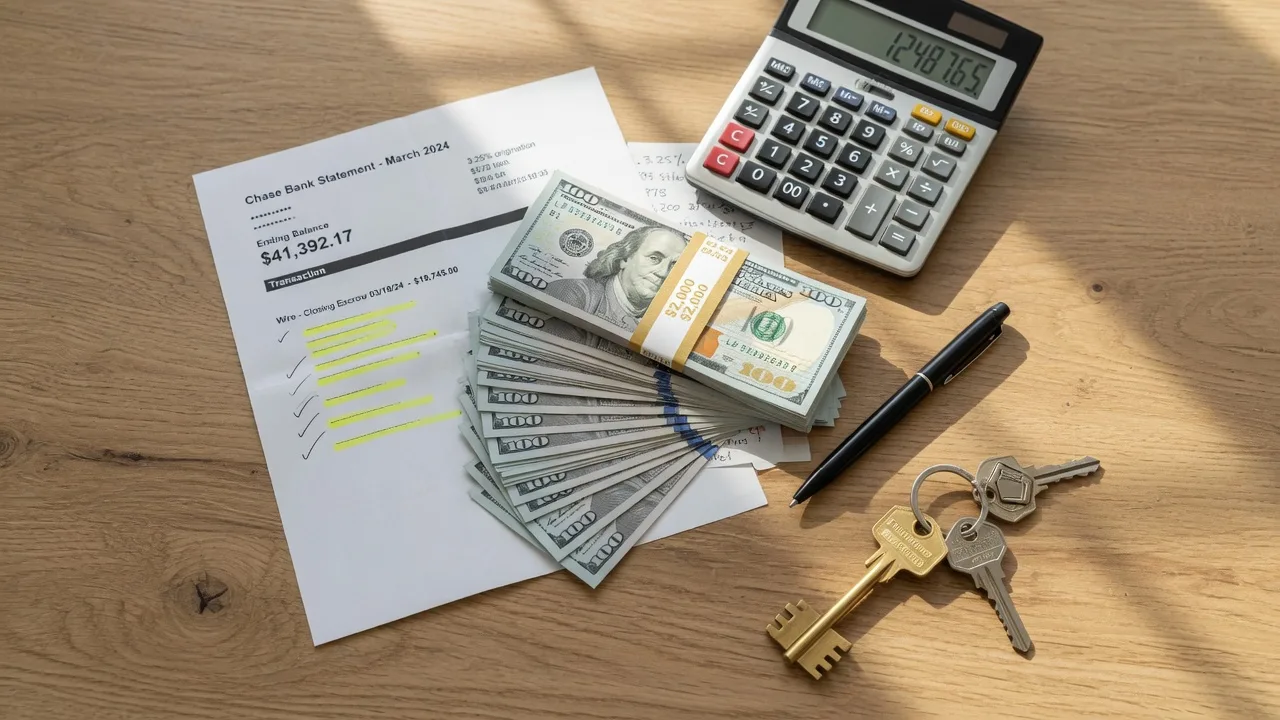
Closing costs are one of the biggest surprises for first-time home buyers. Many people focus so much on saving for a down payment that they forget about the thousands of dollars in additional fees due at closing. Understanding who pays what in New Jersey can save you from a last-minute scramble for funds.
In New Jersey, closing costs typically range from 2% to 5% of the purchase price. On a $400,000 home, that means an additional $8,000 to $20,000 beyond your down payment. But the exact amount depends on your loan type, the purchase price, the property location, and how costs are negotiated between buyer and seller.
I have helped over 728 families navigate closings across Burlington County and South Jersey. This guide breaks down every fee you might encounter, who typically pays it, and how to estimate your total closing costs before you make an offer.
What Are Closing Costs?
Closing costs are the fees and expenses associated with finalizing a real estate transaction. They include lender fees, third-party service fees, government charges, and prepaid items. Both buyers and sellers pay closing costs, but the types and amounts differ significantly.
Buyer Closing Costs in New Jersey
As a buyer, your closing costs fall into several categories. Here is what you can expect to pay:
Lender Fees
- Loan origination fee: 0.5% to 1% of the loan amount for processing your mortgage
- Application fee: $300 to $500
- Underwriting fee: $500 to $1,000
- Rate lock fee: $0 to $500 if you lock in your interest rate
- Discount points: Optional; each point costs 1% of the loan amount and lowers your rate by about 0.25%
Third-Party Fees
- Appraisal fee: $500 to $700 for a standard single-family home appraisal
- Home inspection fee: $400 to $600 (paid separately, typically before closing)
- Title search fee: $200 to $400 to verify the property title is clear
- Title insurance (lender's policy): $500 to $1,500 based on the loan amount
- Title insurance (owner's policy): $500 to $1,500 recommended to protect your ownership
- Credit report fee: $30 to $50
- Flood certification fee: $15 to $25
Government Fees and Taxes
- Recording fees: $100 to $300 to record the deed and mortgage with the county
- Mortgage recording tax: Varies by county; typically $0.50 to $1.50 per $100 of the mortgage amount
- Transfer tax: In New Jersey, the seller typically pays the realty transfer fee, but some counties may split it
Prepaid Items
- Prepaid interest: Interest from closing date to the end of the month, typically $200 to $500
- Homeowners insurance premium: First year paid at closing, typically $800 to $1,500
- Property tax escrow: 2 to 6 months of property taxes deposited into your escrow account
- Mortgage insurance premium: If you put down less than 20%, the first month's premium may be collected at closing
Seller Closing Costs in New Jersey
Sellers also pay closing costs, which are deducted from their proceeds at closing. Here is what sellers typically pay:
- Real estate commission: Typically 5% to 6% of the sale price, split between the buyer's and seller's agents
- New Jersey Realty Transfer Fee: A significant cost, calculated on a sliding scale based on the sale price. For a $400,000 home, the fee is approximately $4,000 to $5,000
- Attorney fees: $1,000 to $2,500 for the seller's attorney
- Title search fee: $200 to $400
- Prorated property taxes: The seller reimburses the buyer for taxes already paid through the closing date
- Recording fees: $100 to $300
- Home warranty: $400 to $800, often offered as a concession to the buyer
How Much Are Closing Costs in New Jersey?
Here is a realistic estimate for a $400,000 home purchase with a 20% down payment and a $320,000 loan:
Note: This is an estimate. Your actual costs will vary based on your loan program, lender, and specific property.
Who Pays What in New Jersey Negotiations
While certain costs are traditionally paid by one party, everything is negotiable. In a buyer's market, sellers may offer to pay some of the buyer's closing costs to close the deal. In a seller's market, buyers may offer to pay some of the seller's costs to make their offer more competitive.
Common seller concessions include paying for the buyer's title insurance, a home warranty, or contributing a flat amount toward the buyer's closing costs. FHA loans allow sellers to contribute up to 6% of the purchase price toward the buyer's costs.
How to Estimate Your Closing Costs
The best way to estimate your closing costs is to get a Loan Estimate from your lender. This document is required by law and provides a detailed breakdown of all costs within three business days of your mortgage application. Compare Loan Estimates from multiple lenders to find the best combination of rates and fees.
You can also use the Closing Disclosure to compare final costs against your Loan Estimate. The final numbers should closely match the estimate. If they do not, your lender should explain the difference.
Can You Roll Closing Costs Into Your Loan?
In some cases, you can roll closing costs into your mortgage rather than paying them upfront. This is typically done through a lender credit in exchange for a higher interest rate, or by negotiating with the seller to cover some of your costs. However, rolling costs into your loan means you pay interest on them for the life of the loan, which increases your total cost over time.
Frequently Asked Questions About Closing Costs
Are closing costs and down payment the same thing?
No. Your down payment is the portion of the purchase price you pay upfront, typically 3% to 20% of the home price. Closing costs are the fees and charges associated with processing the loan and transferring ownership. They are separate expenses due at the same time.
Can I negotiate closing costs with my lender?
Yes. Some lender fees are negotiable, including the origination fee, application fee, and rate lock fee. You can also ask the lender to waive certain fees or offer a lender credit in exchange for a slightly higher interest rate. Shopping around with multiple lenders is the best way to get competitive pricing.
How much should I budget for closing costs?
Plan to budget 2% to 5% of the purchase price for closing costs. For a $400,000 home, that is $8,000 to $20,000. First-time home buyers often aim for the lower end by using down payment assistance programs and negotiating seller concessions.
Do I need to bring cash to closing?
You will need to bring a certified or cashier's check for the amount of your closing costs minus any earnest money deposit already paid. Alternatively, you can wire the funds directly to the closing agent. Personal checks are not accepted. Your attorney will give you the exact amount and instructions before closing.
Want a Clear Picture of Your Total Costs?
I help buyers and sellers understand every cost before they get to the closing table. No surprises, no pressure.
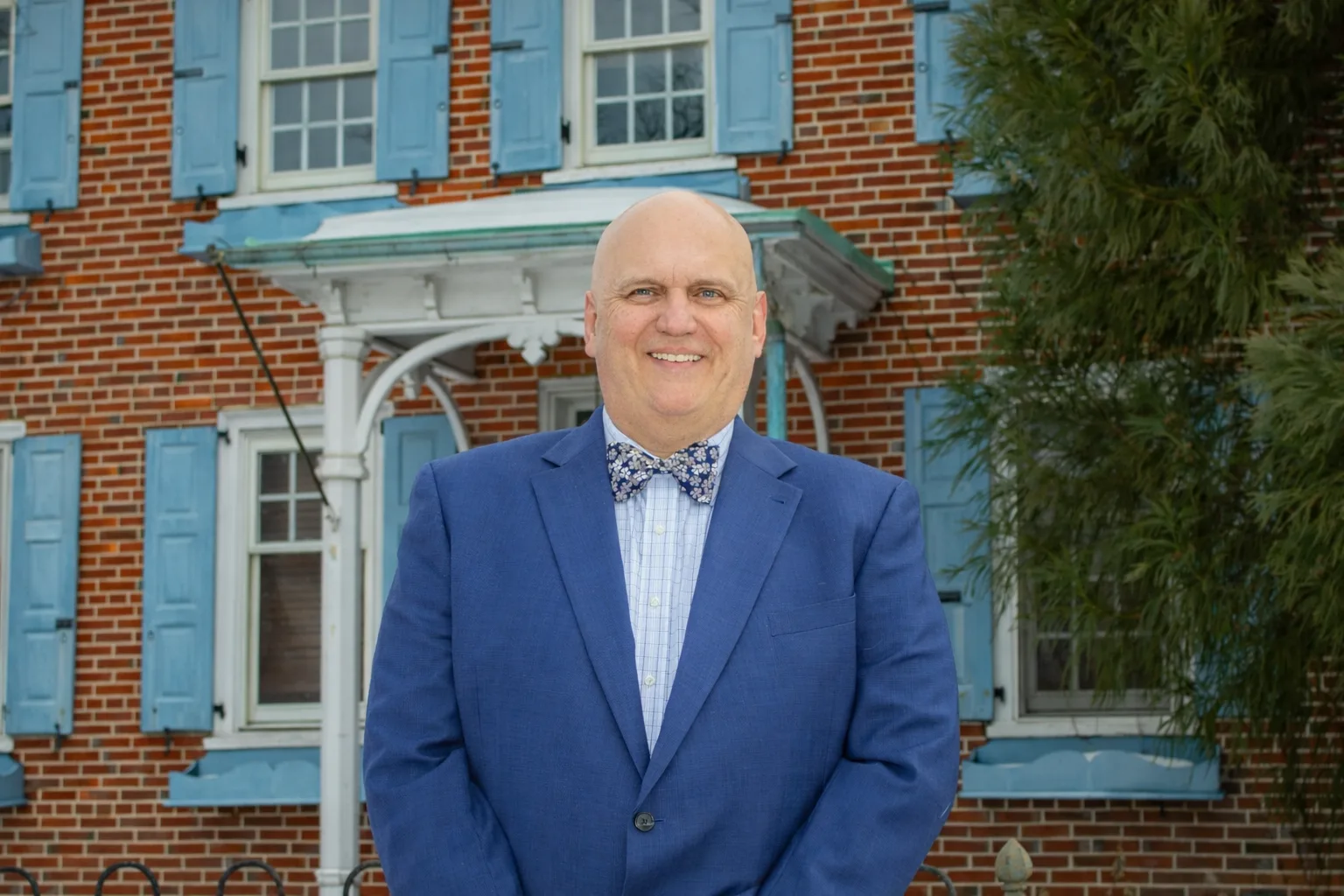
Bob Millaway
Epique Realty Agent · AI Certified Agent · 728+ homes sold across Burlington County and South Jersey. Licensed NJ Salesperson #791082.