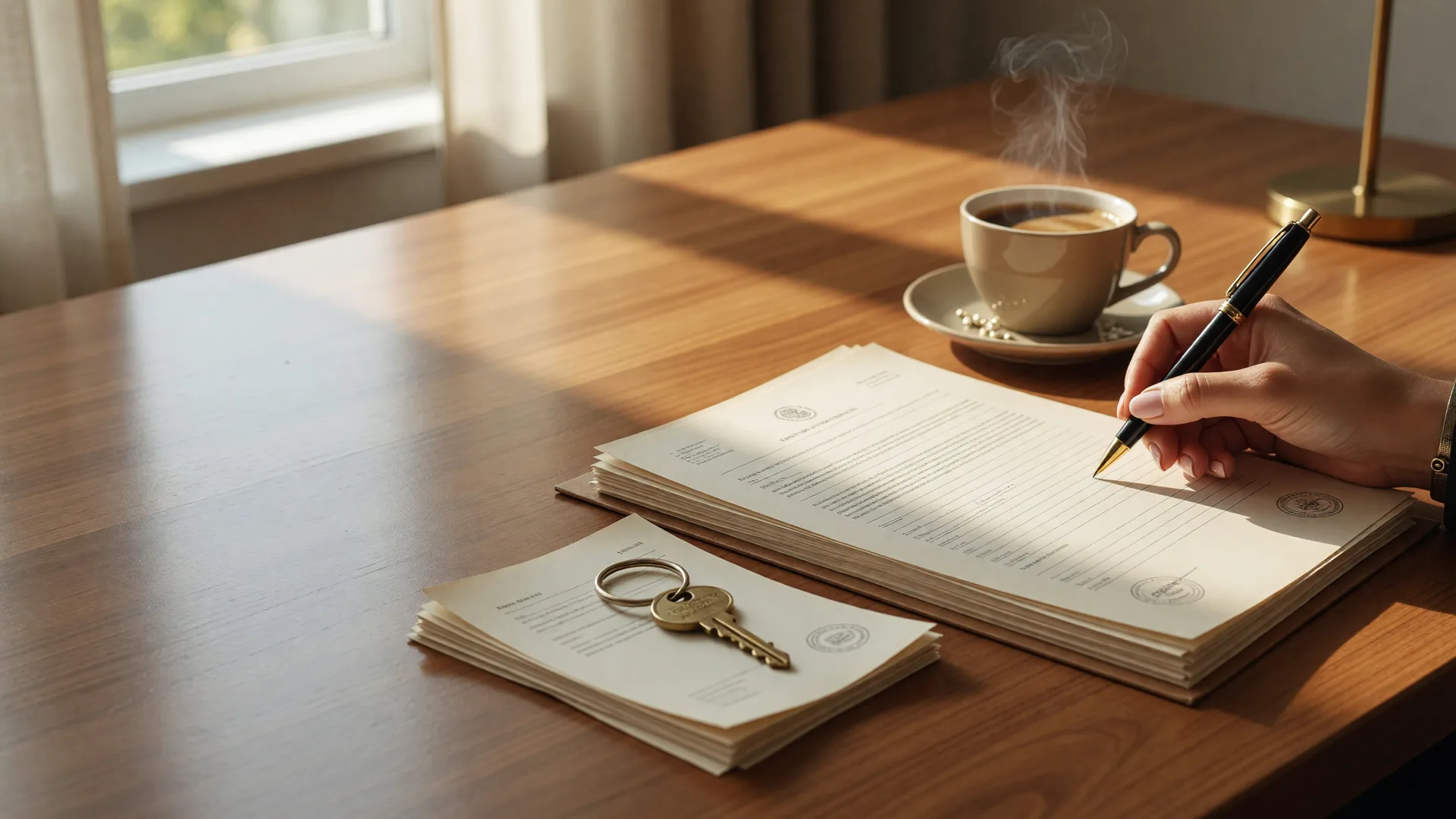
Closing day is the moment everything becomes official. After weeks of searching, negotiating, inspecting, and processing, you finally sit down at a table and sign the paperwork that transfers ownership of the home. For many buyers and sellers, it is the most anticipated part of the entire real estate transaction.
It is also the part of the process that people find most intimidating. There is a lot of paperwork, a lot of money changing hands, and a lot of people in the room. But when you understand what happens at closing, the process becomes straightforward and even exciting.
I have sat through more than 728 closings in South Jersey, and I can tell you that the ones that go smoothly are the ones where everyone knows what to expect. This guide walks you through the entire closing process step by step, so you walk into that room with confidence.
What Is Real Estate Closing?
Real estate closing, also called settlement, is the final step in a home purchase or sale transaction. It is the meeting where the buyer and seller sign all required legal documents, the buyer pays the remaining purchase price and closing costs, and ownership of the property is officially transferred from the seller to the buyer.
In New Jersey, closings are typically conducted by a real estate attorney or a title company. The closing agent acts as a neutral third party who ensures that all documents are properly executed, all funds are correctly distributed, and the deed is recorded with the county clerk's office.
Who Attends the Closing?
The number of people at closing can vary depending on the transaction. Here is who typically attends a closing in New Jersey:
- The buyer or buyers and their real estate attorney
- The seller or sellers and their real estate attorney
- The buyer's real estate agent
- The seller's real estate agent
- A representative from the title company or the closing attorney
- A representative from the buyer's lender (sometimes, or they may send documents in advance)
In some cases, the buyer and seller may close at separate times or locations, especially if they are using different attorneys. This is called a mail-away closing and is common in New Jersey.
What Documents Are Signed at Closing?
The closing involves a significant stack of paperwork. Here are the most important documents you will encounter:
The Closing Disclosure
The Closing Disclosure is a five-page form that outlines the final terms of your loan and all closing costs. You should receive this document at least three business days before closing. Review it carefully and compare it to your Loan Estimate to catch any discrepancies. See our guide on reading your Closing Disclosure for a detailed walkthrough.
The Promissory Note
This is your promise to repay the loan. It outlines the loan amount, interest rate, repayment schedule, and what happens if you default. It is one of the most important documents you will sign, because it is legally binding.
The Deed of Trust or Mortgage
This document gives the lender a security interest in the property. It means that if you fail to make your payments, the lender has the right to foreclose. It is recorded with the county clerk and is a public record.
The Deed
The deed is the document that transfers ownership from the seller to the buyer. It is prepared by the seller's attorney and is recorded with the county after closing. Make sure the names on the deed are spelled correctly and match how you want to hold title.
The Affidavit of Title
The seller signs an affidavit stating that there are no liens, judgments, or other claims against the property that have not been disclosed. This protects the buyer from inheriting any title issues.
How Does the Closing Process Work Step by Step?
Step 1: Before Closing Day
In the days leading up to closing, your lender will provide the final Closing Disclosure, your attorney will confirm the closing date and time, and you will arrange for your certified or cashier's check or wire transfer for the funds you need to bring. You should also complete the final walkthrough of the property, typically within 24 hours of closing.
Step 2: Arriving at the Closing
Bring a government-issued photo ID, your certified or cashier's check (if not wiring), your homeowners insurance policy, and any other documents your attorney has requested. The closing typically takes place at the office of the title company or the buyer's attorney.
Step 3: Reviewing and Signing Documents
The closing agent will walk through each document with you. Do not feel rushed. Read each document before signing. If something does not look right, ask questions. This is your transaction, and you have a right to understand everything you are signing.
Step 4: Funding the Loan
After all documents are signed, the lender wires the loan funds to the closing agent. The closing agent then disburses the funds to the seller, the real estate agents, and any other parties who are owed money. This process can take a few hours, and closing is not complete until the funds are received.
Step 5: Recording the Deed
The closing agent records the deed and the mortgage with the county clerk's office. This makes the transfer of ownership official and public. Once the deed is recorded, you are officially the homeowner.
Step 6: Getting the Keys
After the deed is recorded and all funds are disbursed, the seller hands over the keys. This is the moment everything becomes real. You now own the home.
How Long Does a Closing Take?
The actual signing portion of a closing typically takes 60 to 90 minutes. The entire process from arrival to keys can take 2 to 4 hours, depending on how quickly the lender funds the loan and the deed is recorded. Cash closings are typically faster because there is no lender involved.
What Documents Do I Need to Bring to Closing?
- A valid government-issued photo ID (driver's license or passport)
- Your certified or cashier's check for closing costs and down payment (if not wiring funds)
- Your homeowners insurance policy and proof of premium payment
- Any documents your lender or attorney specifically requested
- A list of questions you want to ask before signing
What Happens After Closing?
After closing, your attorney or closing agent will ensure the deed is recorded with the county. You will receive a copy of all signed documents for your records. Your first mortgage payment is typically due about 30 days after closing. The seller will receive their proceeds from the sale, usually within a few business days.
Frequently Asked Questions About Closing
Can I close remotely?
Yes. Many closings in New Jersey are conducted remotely using electronic signing platforms or mail-away closings where documents are signed and notarized at different locations. Your attorney can explain the options available in your situation.
What happens if something goes wrong at closing?
If there is a problem with the title, the funding, or the documents, the closing may be delayed. Your attorney and agent will work to resolve the issue. In most cases, problems are minor and can be fixed quickly. Serious issues may require postponing the closing to a later date.
Do both the buyer and seller need to be at closing?
Not necessarily. In New Jersey, it is common for buyers and sellers to close at separate times or locations. Each party signs their own set of documents. What matters is that all documents are properly executed and funds are correctly disbursed.
What if I find a problem during the final walkthrough?
If you discover an issue during the final walkthrough, do not proceed with closing until it is resolved. Your agent and attorney can negotiate a solution, which may include the seller fixing the issue, providing a credit, or delaying closing until the repair is complete.
Ready to Start Your Home Search?
I have guided over 728 families through the closing process. Let me help you navigate every step with confidence and zero pressure.

Bob Millaway
Epique Realty Agent · AI Certified Agent · 728+ homes sold across Burlington County and South Jersey. Licensed NJ Salesperson #791082.