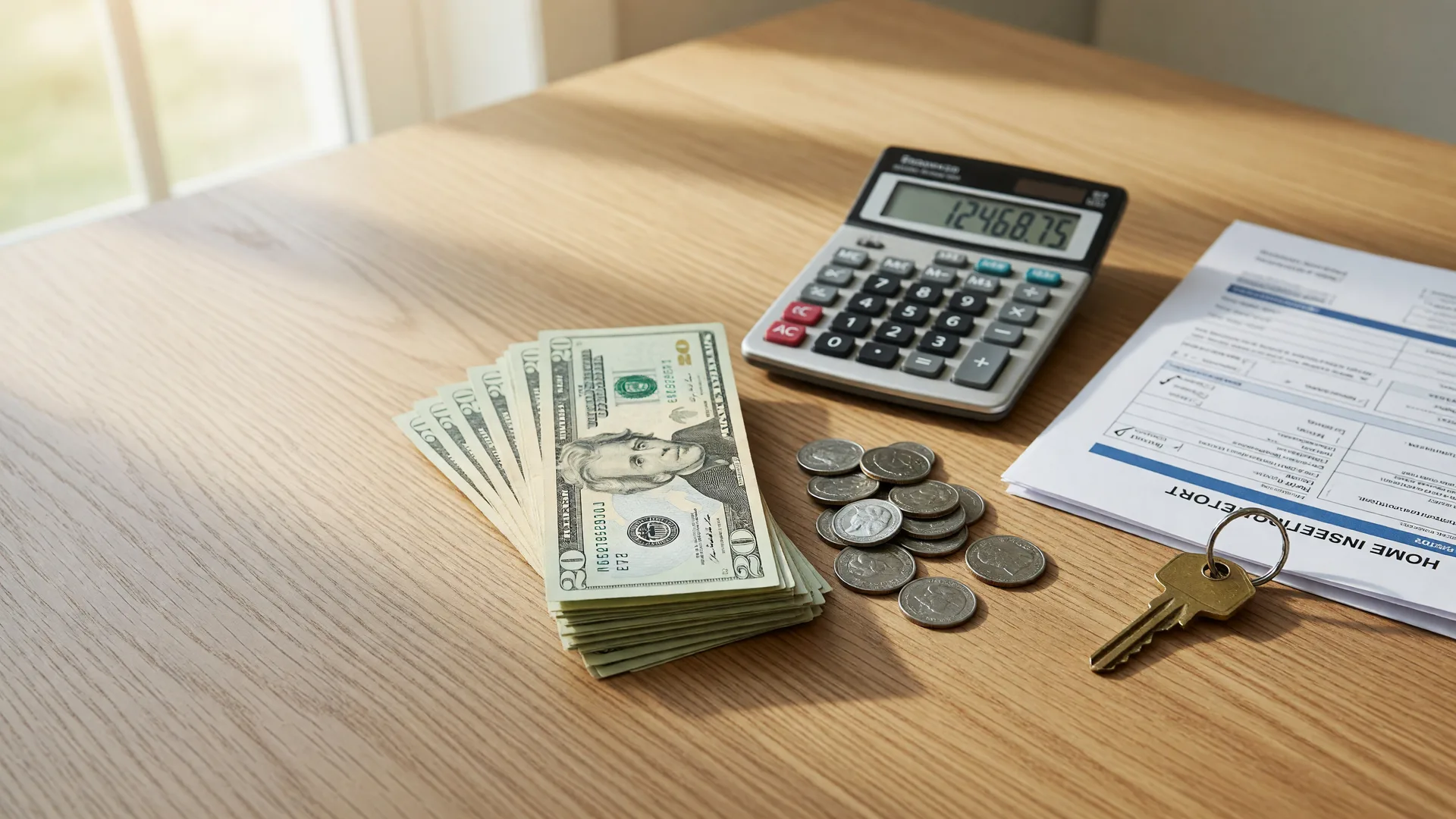
The short answer is that you will need between 5% and 25% of the home's purchase price in cash, depending on your loan type and down payment. For a $350,000 home in Burlington County, that means approximately $17,500 to $87,500 total. But the real answer is more nuanced, and most first-time buyers are surprised by how much house they can actually afford.
The most common question I hear from first-time buyers is some version of "How much money do I need to have saved?" The answer depends on three main factors: your down payment, your closing costs, and your cash reserves. Let me break down each one for the South Jersey market.
How Much Down Payment Do I Need?
The idea that you need 20% down is the most persistent myth in real estate. While putting 20% down eliminates private mortgage insurance (PMI) and can give you a more competitive offer, it is far from the only option.
Here are the down payment requirements by loan type:
- Conventional loans: As low as 3% down for qualified buyers through Fannie Mae's HomeReady or Freddie Mac's HomeOne programs. Requires a credit score of 620 or higher.
- FHA loans: 3.5% down with a credit score of 580 or higher. Popular with first-time buyers because of the lower credit score requirement.
- VA loans: Zero down payment for eligible veterans, active-duty military, and surviving spouses. No PMI requirement.
- USDA loans: Zero down payment for homes in eligible rural and suburban areas. Parts of Burlington County qualify, including areas in Lumberton, Southampton, Shamong, and Tabernacle.
- NJHMFA programs: Down payment assistance of up to $15,000 for eligible first-time buyers. This is a forgivable loan that does not need to be repaid if you stay in the home for five years.
For a $350,000 home, here is what your down payment looks like under different scenarios:
- 3% down (conventional): $10,500
- 3.5% down (FHA): $12,250
- 5% down: $17,500
- 10% down: $35,000
- 20% down: $70,000
- 0% down (VA or USDA): $0
The key is to work with a lender who knows these programs and can help you find the right fit for your situation. Many first-time buyers assume they need 20% down and delay their home search for years, only to discover they could have bought much sooner.
What Are Closing Costs in New Jersey?
Closing costs are the fees and expenses you pay to finalize your home purchase. In New Jersey, closing costs typically range from 2% to 5% of the purchase price. For a $350,000 home, that is $7,000 to $17,500 in additional costs beyond your down payment.
Typical closing costs include:
- Lender origination fee: 0.5% to 1% of the loan amount for processing the mortgage
- Appraisal fee: $500 to $700 for the property appraisal
- Credit report fee: $30 to $50
- Title insurance: $1,500 to $3,000 to protect against title defects. Required in New Jersey.
- Attorney fees: $1,000 to $2,500. New Jersey requires a real estate attorney for closings.
- Recording fees: $100 to $300 to record the deed and mortgage with the county
- Transfer taxes: Approximately $5.60 per $1,000 of the sale price in New Jersey
- Prepaid items: Property taxes, homeowners insurance, and mortgage interest prorated from closing date
- Homeowners insurance: First year premium paid at closing, typically $800 to $1,500
- PMI (if applicable): First month's premium and possibly an upfront premium
Your lender is required to provide a Loan Estimate within three days of your application, which breaks down all these costs. Review it carefully and ask questions about anything you do not understand. I always recommend my clients compare Loan Estimates from at least two lenders to ensure they are getting a fair deal.
How Much Do I Need in Cash Reserves?
In addition to your down payment and closing costs, you will need cash reserves after you move in. Your lender will typically require 2 to 6 months of mortgage payments in reserves, but you should plan for more.
Post-purchase expenses to budget for:
- Moving expenses: $500 to $3,000
- New furniture and appliances: $1,000 to $10,000
- Immediate repairs and maintenance: $1,000 to $5,000
- Utility setup fees: $100 to $300
- Emergency fund: 3 to 6 months of total housing costs
A good rule of thumb is to have at least $5,000 to $10,000 in liquid savings after closing for unexpected expenses. In the first year of homeownership, something will need fixing: it is not a matter of if, but when.
What Is the Total Cash Needed to Buy a Home in South Jersey?
Let me put this together with a realistic example. Suppose you are buying a $350,000 home in Burlington County with an FHA loan (3.5% down):
- Down payment (3.5%): $12,250
- Closing costs (estimated 3%): $10,500
- Prepaid items (taxes, insurance, interest): $3,000
- Earnest money deposit (refundable at closing): $3,500
- Total cash needed at closing: Approximately $22,250 to $25,750
- Recommended post-closing reserves: $5,000 to $10,000
- Total recommended savings: $27,250 to $35,750
With a VA or USDA loan (zero down payment), your cash needed at closing drops significantly:
- Down payment: $0
- Closing costs (estimated 3%): $10,500
- Prepaid items: $3,000
- Earnest money deposit: $3,500
- Total cash needed at closing: Approximately $10,500 to $14,000
And remember, many sellers are willing to negotiate on closing costs. In a buyer's market or a slower season, you may be able to negotiate a seller credit toward your closing costs, which reduces the cash you need to bring to the table.
How Much House Can I Afford in Burlington County?
A good rule of thumb is that your total monthly housing payment (mortgage principal, interest, property taxes, and homeowners insurance) should not exceed 28% of your gross monthly income. Including all other debts, your total monthly obligations should stay under 36%.
Here is a rough guide based on income:
- Annual income of $60,000: Can afford approximately $200,000 to $250,000
- Annual income of $80,000: Can afford approximately $270,000 to $330,000
- Annual income of $100,000: Can afford approximately $340,000 to $420,000
- Annual income of $120,000: Can afford approximately $410,000 to $500,000
- Annual income of $150,000: Can afford approximately $510,000 to $630,000
These are rough estimates. Your actual buying power depends on your specific interest rate, property taxes (which vary significantly by town in Burlington County), homeowners insurance costs, and your other debt obligations.
The best way to get an accurate number is to speak with a local lender who can run your specific numbers. I can connect you with trusted lenders who know the South Jersey market and can give you a clear picture of what you can afford.
How Can I Save Faster for a Down Payment?
If you are still building your savings, here are strategies that have worked for my past clients:
- Automate your savings: Set up automatic transfers from checking to a dedicated home savings account each payday
- Cut discretionary spending: Temporarily reduce dining out, subscriptions, and travel
- Increase your income: Consider a side hustle, overtime, or freelance work
- Ask about gift funds: Most loan programs allow down payment gifts from family members
- Explore down payment assistance: NJHMFA offers up to $15,000 in forgivable loans for eligible first-time buyers
- Look into employer assistance: Some employers offer home buying assistance programs
Frequently Asked Questions
Do I really need 20% down to buy a house?
No. This is the most common myth in home buying. FHA loans require as little as 3.5% down, conventional loans can go as low as 3%, and VA and USDA loans offer zero down payment. You will pay PMI with less than 20% down, but the cost is often less than waiting years to save a larger down payment.
What are the hidden costs of buying a home in New Jersey?
The biggest hidden costs are property taxes (which in New Jersey average 2.56% of assessed value), closing costs (2% to 5% of the purchase price), and ongoing maintenance costs (typically 1% to 2% of the home's value per year). Many first-time buyers also underestimate the cost of furnishing a new home and making immediate repairs.
Can I use gift money for my down payment?
Yes. Most loan programs allow down payment gifts from family members. The donor will need to provide a gift letter stating that the money is a gift, not a loan, and you may need to show the transfer of funds in your bank statements. FHA loans also allow gifts from employers, labor unions, and charitable organizations.
How do property taxes affect my monthly payment?
Property taxes are included in your monthly mortgage payment through an escrow account. In New Jersey, where property taxes are among the highest in the nation, this can add $400 to $1,000 or more to your monthly payment depending on the town and home value. Always factor taxes into your budget when comparing homes.
What is the minimum credit score to qualify for a mortgage?
FHA loans accept credit scores as low as 580 with 3.5% down. Conventional loans typically require 620 or higher. VA loans have no official minimum, but most lenders look for 620+. See our complete guide to credit score requirements for more details.
Let Us Find Out What You Can Afford
The numbers in this guide are estimates based on the current South Jersey market. Your actual situation will be different, and the only way to know for sure is to talk to a lender.
I work with trusted local lenders who specialize in first-time buyer programs. They can give you a free, no-obligation pre-approval that tells you exactly how much house you can afford and what your monthly payment would look like.
Reach out anytime. I would be happy to connect you with the right lender and help you understand your options.
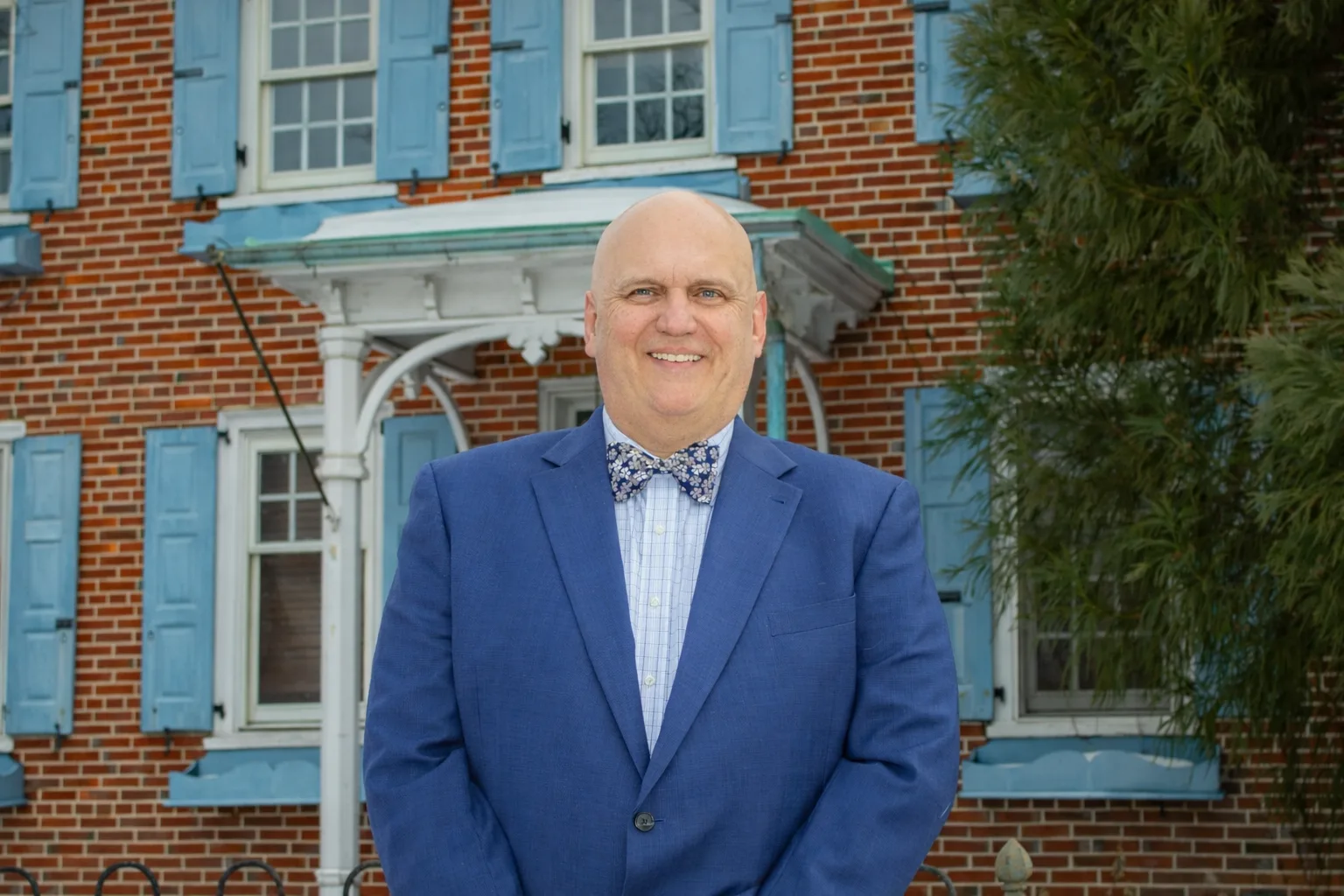
Bob Millaway
Epique Realty Agent · AI Certified Agent · 728+ homes sold across Burlington County and South Jersey. Licensed NJ Salesperson #791082.