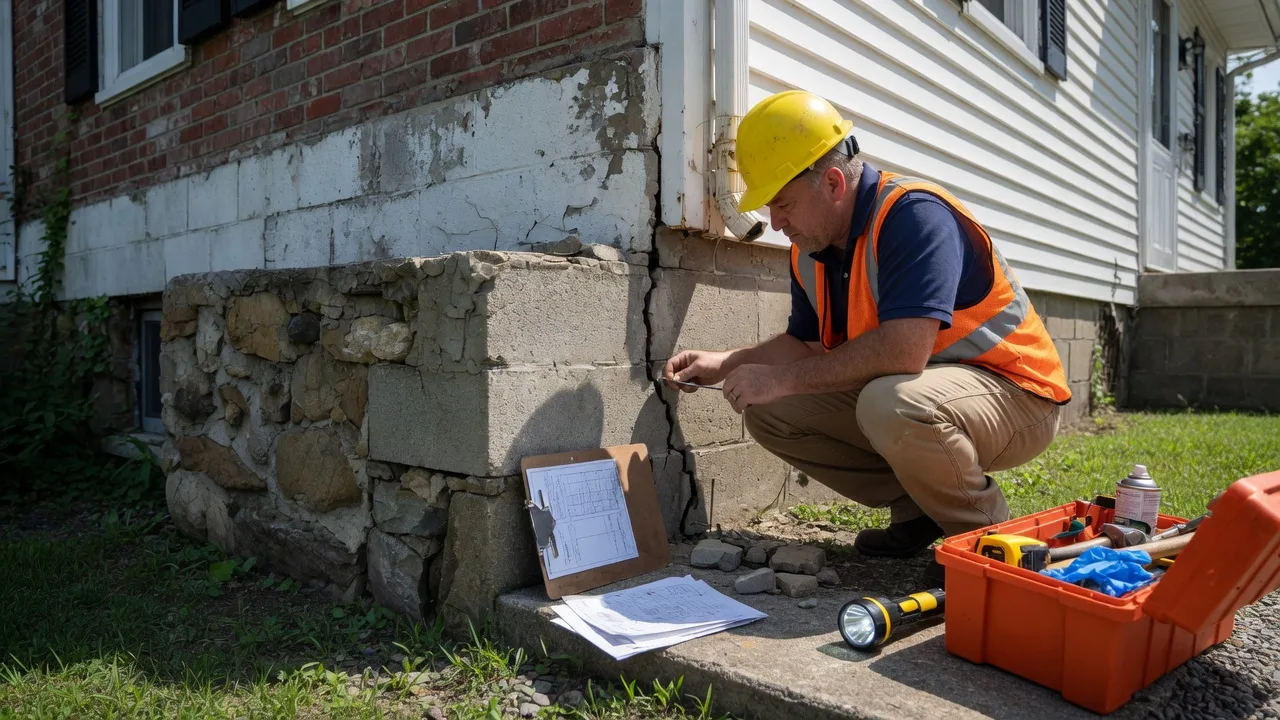
The home inspection is one of the most important steps in the home buying process. It is your opportunity to uncover any hidden issues with the property before you commit to the purchase. A thorough inspection can save you thousands of dollars in unexpected repairs and give you peace of mind that you are making a sound investment.
I have guided over 728 families through the home buying process across Burlington County and South Jersey, and I have seen inspections uncover everything from minor electrical issues to major structural problems. This guide will help you understand what to expect, what to look for, and how to handle the findings.
What Is a Home Inspection and Why Do You Need One?
A home inspection is a visual examination of a property's physical structure and mechanical systems. A licensed home inspector evaluates the condition of the home and provides a detailed report of their findings. The inspection covers the areas that are accessible and visible, from the roof down to the foundation.
A home inspection is different from an appraisal. An appraisal determines the market value of the home for the lender. An inspection assesses the physical condition of the home for you, the buyer. Both are important, but they serve different purposes.
In New Jersey, most purchase contracts include an inspection contingency that gives you the right to have the home inspected and to negotiate repairs or cancel the contract based on the findings. The inspection period is typically 10 to 14 days after the offer is accepted.
What Does a Standard Home Inspection Cover?
A standard home inspection in New Jersey covers the following areas. While inspectors vary in their thoroughness, a good inspector will examine each of these systems in detail:
Structural Components
- Foundation: cracks, settlement, water intrusion, and signs of structural movement
- Walls, floors, and ceilings: signs of sagging, water damage, or structural issues
- Roof structure: rafters, trusses, and sheathing in the attic
- Porches, decks, and balconies: structural integrity, railings, and stairs
Roofing
- Roof covering: shingles, flashing, and overall condition
- Gutters and downspouts: condition and water drainage
- Chimneys: visible condition, flashing, and caps
- Skylights: condition and signs of leaks
Exterior
- Siding, trim, and paint condition
- Windows and doors: condition, operation, and seals
- Driveways, walkways, and patios: condition and drainage
- Grading and drainage around the foundation
Heating, Ventilation, and Air Conditioning (HVAC)
- Furnace or boiler: age, condition, and operation
- Air conditioning unit: age, condition, and operation
- Ductwork: visible condition and insulation
- Thermostat: operation
- Chimney and flue: visible condition
Plumbing
- Water supply pipes: material and visible condition
- Drain, waste, and vent pipes: material and visible condition
- Water heater: age, condition, and capacity
- Fixtures and faucets: operation and water pressure
- Toilets, sinks, and tubs: operation and signs of leaks
- Sump pump: operation and condition
Electrical
- Service panel: amperage, condition, and safety
- Branch circuit wiring: material and visible condition
- Outlets, switches, and fixtures: operation and safety (GFCI protection where required)
- Smoke and carbon monoxide detectors: presence and operation
Interior
- Walls, ceilings, and floors: condition and signs of water damage
- Windows and doors: operation and condition
- Stairs, railings, and banisters: safety and condition
- Fireplaces: visible condition and damper operation
Insulation and Ventilation
- Attic insulation: type and depth
- Attic ventilation: vents and airflow
- Kitchen and bathroom exhaust fans: operation and venting
- Dryer vent: termination and condition
Additional Inspections to Consider in South Jersey
In addition to the standard home inspection, there are several specialized inspections that are common in New Jersey, particularly in Burlington County. Depending on the age, location, and features of the home, you may want to consider:
Radon Testing
Radon is a radioactive gas that can seep into homes through the soil. It is the second leading cause of lung cancer in the United States, and New Jersey has some of the highest radon levels in the country. Burlington County is in a high-risk zone for radon, so testing is strongly recommended. Radon testing is simple and inexpensive, typically costing $100 to $200. If elevated levels are found, a mitigation system can be installed for $800 to $1,500.
Termite and Wood-Destroying Organism (WDO) Inspection
Termites are common in New Jersey, and a WDO inspection is often required by lenders. This inspection checks for termites, carpenter ants, wood-boring beetles, and other wood-destroying organisms. Treatment for an active infestation typically costs $1,000 to $3,000 depending on the severity.
Well and Septic System Inspection
If the property is on well water or a septic system, these should be inspected separately. A well test checks for water quality, flow rate, and the condition of the well pump and pressure tank. A septic inspection evaluates the tank, distribution box, and leach field. These inspections are essential for rural properties in areas like Medford, Shamong, and Chesterfield.
Lead Paint Inspection
Homes built before 1978 may contain lead-based paint. While a standard home inspection does not test for lead, you can hire a certified lead inspector to test painted surfaces. This is especially important if you have young children who may be at risk of lead exposure. Lead paint is manageable if properly maintained, but it is important to know if it is present.
Mold Inspection
If the home has a history of water intrusion, a musty odor, or visible mold, a mold inspection can identify the type and extent of mold present. Mold remediation costs vary widely depending on the severity, from a few hundred dollars for minor issues to several thousand for widespread problems.
How to Choose a Home Inspector
Your home inspector is one of the most important professionals you will work with during the home buying process. A good inspector is thorough, experienced, and communicates clearly. Here is what to look for:
- Licensing and certification: New Jersey requires home inspectors to be licensed. Look for membership in professional organizations like ASHI (American Society of Home Inspectors) or InterNACHI (International Association of Certified Home Inspectors).
- Experience: Ask how many inspections they have performed and whether they have experience with homes of the age and type you are buying.
- Sample reports: Ask to see a sample inspection report. A good report is detailed, includes photos, and clearly distinguishes between minor issues and major defects.
- Attendance policy: A good inspector will encourage you to attend the inspection. This is your opportunity to see the home through a trained eye and ask questions in real time.
- References: Ask for references from past clients. Your agent can also recommend inspectors they have worked with and trust.
I maintain a list of trusted home inspectors I have worked with across Burlington County and South Jersey. I am happy to share recommendations based on the specific property and your needs.
How to Handle Inspection Findings
Every home has issues. The question is not whether the inspection will find problems, but which problems are serious enough to address. Here is how to categorize inspection findings:
Major Issues (Worth Negotiating)
- Structural defects: foundation cracks, sagging roof, significant settlement
- Safety hazards: exposed wiring, lack of GFCI protection, carbon monoxide risk
- Failed systems: HVAC, water heater, or major appliances that need replacement
- Water intrusion: active leaks, failed drainage, significant moisture damage
- Roof in poor condition: if the roof needs replacement within the next few years
- Mold or radon above acceptable levels
Minor Issues (Typically Not Worth Negotiating)
- Cosmetic wear and tear: paint, carpet, minor wall cracks
- Normal maintenance items: dirty filters, slow drains, dripping faucets
- Minor electrical issues: missing outlet covers, loose switches
- Aging systems still functioning: an HVAC system near the end of its life but still working
How to Negotiate Repairs
Once you have the inspection report, your agent will help you prepare a repair request. The request should be specific, reasonable, and focused on the items that matter most. There are several ways to handle repairs:
- Request the seller to make the repairs: The seller hires licensed contractors to complete the work before closing.
- Request a credit at closing: The seller gives you a credit toward your closing costs, and you handle the repairs after closing. This gives you control over the quality and timing of the work.
- Reduce the purchase price: The seller lowers the price to account for the cost of repairs. This is less common but can work in certain situations.
- Accept the property as-is: If the issues are minor, you may choose to accept the property as-is and handle the repairs yourself.
In a competitive market, sellers may be less willing to negotiate on minor items. Your agent will help you understand the local market dynamics and craft a reasonable request.
Common Inspection Issues in South Jersey Homes
Based on my experience with hundreds of inspections across Burlington County, here are the most common issues that come up:
- Radon levels above 4.0 pCi/L: Very common in Burlington County. Mitigation systems are effective and affordable.
- Termite damage or active infestation: Common in our region. Treatable, but damage should be assessed.
- Aging HVAC systems: Many homes have furnaces and AC units that are 15 to 20 years old and nearing the end of their lifespan.
- Older windows: Single-pane windows or failed double-pane seals are common in older homes.
- Electrical issues: Older homes may have outdated wiring, insufficient outlets, or overloaded panels.
- Water intrusion in basements: Common in homes with poor grading or aging foundation seals.
- Plumbing: Older homes may have galvanized steel or polybutylene pipes that need replacement.
Frequently Asked Questions
How much does a home inspection cost in New Jersey?
A standard home inspection in New Jersey typically costs $400 to $600 for a single-family home, depending on the size and age of the property. Additional inspections like radon testing ($100 to $200), termite inspection ($75 to $150), and well testing ($200 to $500) add to the total cost. The investment is well worth the peace of mind.
How long does a home inspection take?
A standard home inspection typically takes 2 to 4 hours for a single-family home, depending on the size, age, and condition of the property. You should plan to attend the final hour of the inspection so the inspector can walk you through their findings and answer your questions.
Can a home fail an inspection?
There is no pass or fail with a home inspection. The inspector provides a report of findings, and it is up to you to decide whether the issues are acceptable. Some issues may be serious enough that you choose to walk away from the deal, but most inspections result in a reasonable negotiation between buyer and seller.
Should I be present for the home inspection?
Yes, I strongly recommend being present for at least the final portion of the inspection. This gives you the opportunity to see the issues firsthand, ask questions, and learn about the home's systems and maintenance needs. A good inspector will walk you through their findings and explain what they mean for you as the future homeowner.
What if the inspection reveals major problems?
If the inspection reveals significant issues, you have several options. You can negotiate with the seller for repairs or a credit, ask for a price reduction, or walk away from the deal if the inspection contingency is still in place. Your agent will help you determine the best course of action based on the severity of the issues and the local market conditions.
Ready to Start Your Home Search?
The home inspection is your most important protection when buying a home. I work with trusted, experienced home inspectors who know the Burlington County and South Jersey market and provide thorough, clear reports.
If you are ready to start your home search or have questions about the inspection process, reach out anytime. I would be honored to help you find the right home and guide you through every step of the process.

Bob Millaway
Epique Realty Agent · AI Certified Agent · 728+ homes sold across Burlington County and South Jersey. Licensed NJ Salesperson #791082.