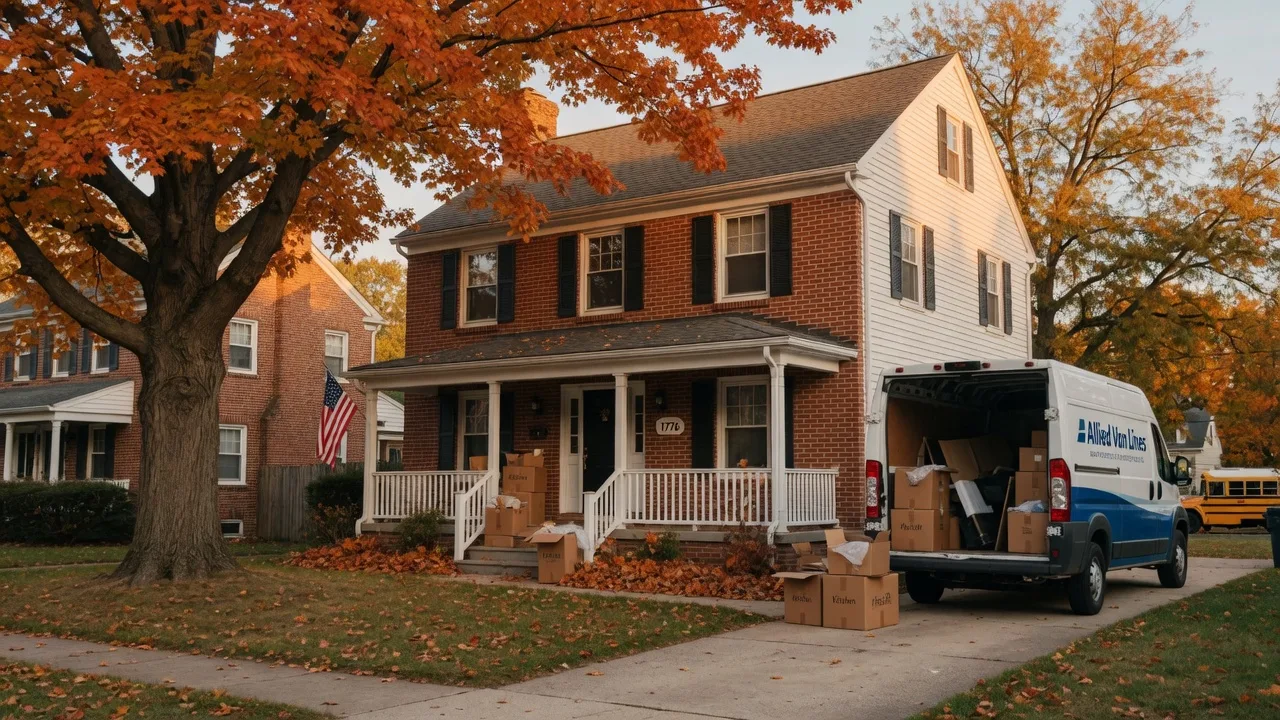
Should you buy your next home before selling your current one? It is one of the most common questions I hear from South Jersey families who are moving up, and there is no single right answer. Buying first gives you time and options, but it usually costs more and can make your offer less competitive. Selling first gives you certainty, but it can leave you house hunting from a rental. This guide walks through the real trade-offs, what bridge financing actually costs in late 2026, and the sequence that works best for most Burlington County families.
Why Do South Jersey Families Face This Question at All?
The short answer is equity. Most move-up buyers are not starting from zero; they are carrying years of built-up equity in a home they still live in, and that equity is often the down payment for the next house. The real question is how to unlock that equity without leaving a gap between two transactions, a gap that can mean two mortgages, a rental, or a rushed sale.
What Does Buying Before You Sell Actually Look Like?
There are a few distinct paths, and they cost very different amounts:
- Buy first, sell later, no strings attached. Close on the new home while still owning the old one, then sell whenever it makes sense. The most flexible path, and usually the most expensive, because you carry both homes in between.
- Buy first with a home-sale contingency. Your offer depends on your current home selling within an agreed window. It protects you, but it is weaker against buyers who do not need that protection.
- List first, then buy with a contingency. Get your current home under contract with a closing date you can count on, then write your offer on the new home contingent on that sale. For most families, the strongest middle ground.
- Sell first, then rent back. Sell your current home and lease it back while you shop for the next one. Our Sell & Stay leaseback page explains how that works.
- Trade-in style programs. Some brokerages secure your next home first with a guaranteed sale on your current one. My Home Trade-In page walks through how this approach removes most of the risk.
What Are the Real Advantages of Buying First?
- You are never rushed; you can wait for the right house instead of grabbing the first acceptable option before a sale deadline.
- You move once, with no temporary apartment, storage unit, or double move with kids and pets.
- You negotiate from strength, because you are not desperate to be out by a closing date.
- In a slower market, sellers are often glad to accept a reasonable contingency, since a contingent buyer may be the best offer on the table.
What Are the Risks and Costs of Buying First?
- You carry two mortgages, or one mortgage plus bridge debt, until the old home sells, which can mean three to six months of double payments.
- Bridge financing is among the most expensive money you will ever borrow, as the next section shows.
- You pay property taxes, homeowners insurance, and utilities on two homes at once.
- A contingent offer can lose to a non-contingent offer in a competitive market.
- If the old home sells for less than planned, the equity gap lands on your new budget.
How Does a Home-Sale Contingency Work in New Jersey?
A home-sale contingency clause makes your purchase depend on selling your current property within an agreed window, typically 30 to 60 days, sometimes with a release date that lets the seller move on. In New Jersey every residential contract goes through attorney review, a three-business-day period required under N.J.A.C. 11:5-6.2, in which either party's attorney can disapprove the contract or propose changes. So have your financing plan settled before you sign.
My guide to contract contingencies in New Jersey goes deeper into which contingencies are worth keeping, and the winning offer guide covers how to strengthen a contingent offer so it stays competitive.
What Financing Options Bridge the Gap in 2026?
If you buy first, you need a way to cover the down payment and closing costs on the new home before the old one sells. Three tools do most of the work:
- Bridge loan. Short-term financing, typically 6 to 12 months, secured by your current home, with interest-only payments and a balloon payoff when it sells. In 2026, bridge rates typically run about 8 to 12 percent, roughly 2 to 4 points above a first mortgage, with origination fees around 1 to 3 percent of the loan. Lenders usually want meaningful equity, often around 20 percent, and a credit score at least in the mid-600s.
- Home equity line of credit (HELOC). A variable-rate line of credit against your current home. National averages have hovered around 7.3 to 7.7 percent this fall, per Bankrate and Experian, with very low upfront costs. Usually the cheapest option, but lenders often want you to open it before you list the home for sale.
- Home equity loan. A fixed-rate second mortgage paid out in one lump sum. National averages have run around 7.8 to 8.7 percent in October 2026, per Bankrate and Experian. Still far cheaper than a bridge loan.
Your actual rate depends on your credit, your loan-to-value ratio, and the lender. The takeaway: a HELOC or home equity loan is almost always cheaper than a bridge loan, and a bridge loan buys one specific thing, the ability to act immediately without a sale contingency.
What Does the Cost Difference Look Like in Dollars?
Here is an illustrative example. Say you need $150,000 to cover the down payment and closing costs on your next home before the current one sells, and the bridge runs six months. At a 10 percent bridge rate, interest-only payments run about $1,250 a month, roughly $7,500 total, plus origination fees of 1 to 3 percent, another $1,500 to $4,500. A HELOC at about 7.5 percent would cost roughly $938 a month, about $5,625 over six months, with far lower upfront fees. Same gap, same six months, and the cheaper tool saves you thousands.
For context, Freddie Mac's Primary Mortgage Market Survey put the national average 30-year fixed rate at 7.32 percent for the week of October 22, 2026, down from 7.40 percent the week before. My guide to rates and home prices and the mortgage rates explained post cover how these numbers shape your buying power, and the home equity calculator guide helps you estimate what you are working with.
How Competitive Is a Contingent Offer in Today's Market?
This is where town matters. The October 2026 South Jersey market snapshot shows Burlington County's median sale price near $430,000, up about 2.4 percent from a year earlier, with inventory still growing. That is a healthier market than the peak years, but it is not soft. Well-priced homes in Moorestown, Mount Laurel, and Medford still attract multiple offers, and in a multiple-offer situation a seller with a clean, non-contingent offer will often take it over a contingent one, even at a slightly lower price.
In slower pockets, sellers are much more willing to accept a contingency, especially from a buyer with a strong pre-approval, a solid down payment, and a realistic closing date. The multiple-offer strategies guide explains how to compete without overbidding.
What Is the Safest Sequence for Most Families?
After 20 years of helping families time these moves, here is my honest guidance: list first, get your current home under contract with a closing date you can count on, then write your offer on the new home, contingent on that sale. It balances competitiveness and certainty for most Burlington County move-up families. In fast-selling pockets like Moorestown, Cherry Hill, or Haddonfield you may not need a contingency at all; in slower pockets, plan for one from the start.
For the fuller picture, the move-up buyers guide walks through equity, timing, and town choice in depth, and my free home valuation gives you a real number for your current home so the math starts from fact, not hope. On the lifestyle side, the independent Living in Moorestown and Living in Cherry Hill guides are handy for comparing daily life where move-up families most often land.
What Questions Should You Ask Before You Decide?
- How much equity do you have in your current home, and is it enough to fund the next down payment?
- Could your budget carry two mortgages, or one mortgage plus bridge debt, for three to six months?
- How fast do homes like yours sell in your town right now? Ask for real days-on-market numbers, not a guess.
- Would your offer win without a contingency? In a competitive town, that question decides everything.
- What would temporary housing actually cost if you sold first?
- Does your lender offer bridge loans or HELOCs, and at what rate? Ask before you fall in love with a house.
The Bottom Line
Buying before you sell is a legitimate strategy, not a mistake. It is the right call when you have the equity, the carrying capacity, and the willingness to pay a little more for flexibility. It is the wrong call when the budget has no room for two payments, or when a contingent offer will knock you out of the running for the homes you want.
The best move for most families is to look at both doors with current numbers in hand: what your home would realistically sell for, what your next purchase really costs, and what the financing gap actually runs. That is exactly the conversation I love to have, and there is never any pressure in it. Send me a note and we will walk through your situation honestly. Talk soon, Bob Millaway.
Frequently Asked Questions
Is it better to buy before you sell or sell before you buy?
For most South Jersey move-up families, listing first and then making a contingent offer on the new home balances competitiveness and certainty best. Buying first gives you more time but means carrying two homes and paying more for bridge financing. Selling first is certain but usually means temporary housing and a double move.
How does a home-sale contingency work in New Jersey?
A home-sale contingency makes your purchase depend on your current home selling within an agreed window, usually 30 to 60 days. New Jersey contracts go through a three-business-day attorney review period, required under N.J.A.C. 11:5-6.2, during which either attorney can disapprove or modify the contract before it becomes binding.
How much does a bridge loan cost in 2026?
Bridge loan rates typically run about 8 to 12 percent in 2026, roughly 2 to 4 points above a first mortgage, with origination fees around 1 to 3 percent of the loan. Terms are usually 6 to 12 months with interest-only payments and a balloon payoff when your home sells.
Is a HELOC cheaper than a bridge loan?
Yes, almost always. National HELOC averages have hovered around 7.3 to 7.7 percent this fall, versus roughly 8 to 12 percent for bridge loans, with much lower upfront fees. The catch is timing: lenders often want you to open the HELOC before you list your home for sale.
Will a contingent offer win in a competitive market?
It can, but it is a weaker position. In multiple-offer situations, sellers often prefer clean, non-contingent offers even at a slightly lower price. A strong pre-approval, a solid down payment, and a realistic closing date help, and in slower pockets sellers are usually glad to accept a reasonable contingency.

Bob Millaway
Epique Realty Agent · AI Certified Agent™ · NJ Lic. #791082 · 856.426.1522. For more than 20 years I have helped families across Burlington County and South Jersey time their moves with confidence. Let me help you run the numbers on yours.
Contact BobExplore More