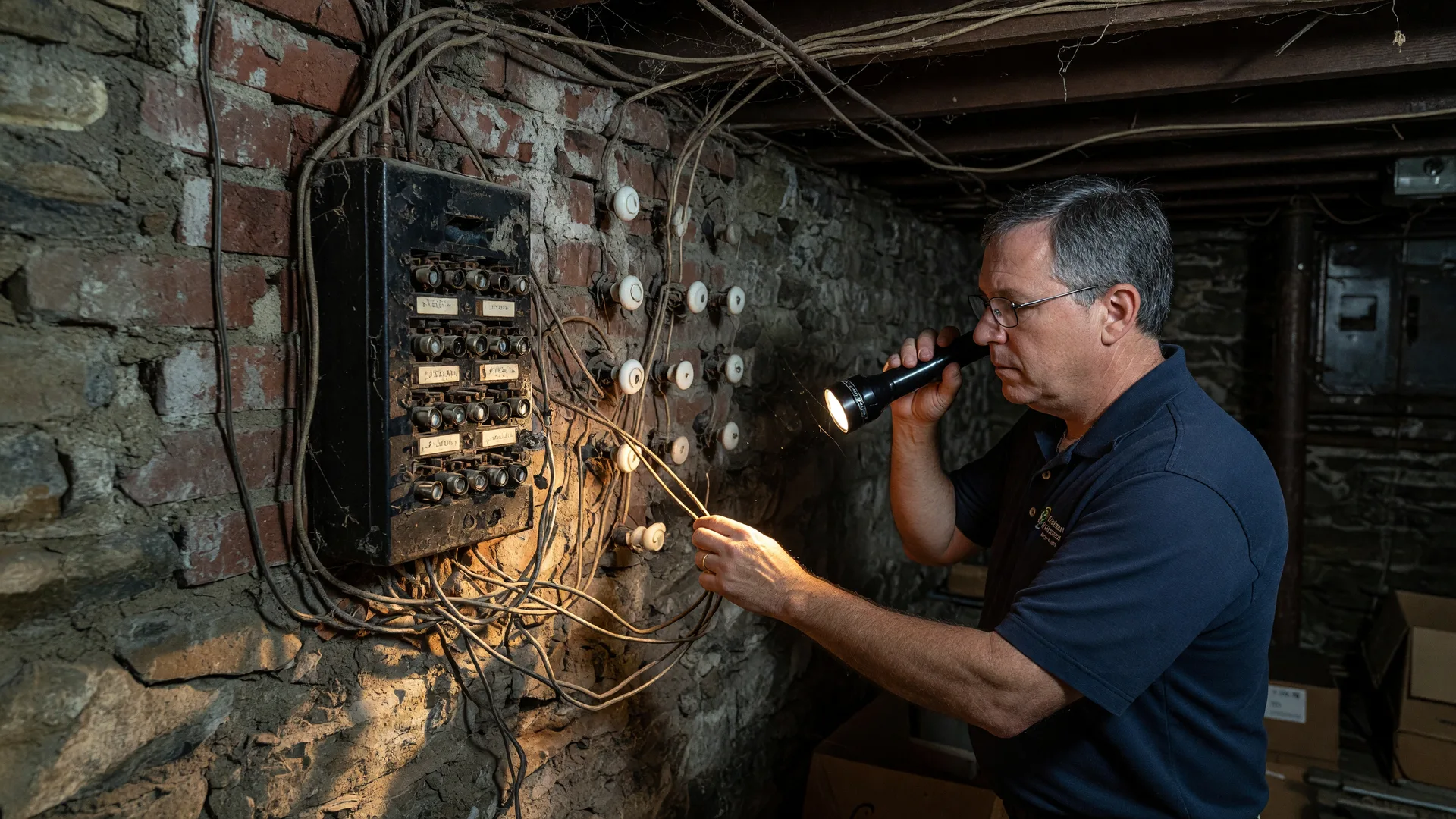
A home inspection is one of the most important steps in any home purchase, but when you are buying a historic home in South Jersey, the inspection takes on added significance. The systems, materials, and construction methods in older homes are fundamentally different from modern homes, and a standard inspection may not be enough. This guide explains what to expect during a historic home inspection and how to use the results to make a confident buying decision.
I have helped over 728 families buy and sell homes across South Jersey, and I have sat through hundreds of inspections. The ones that go smoothly are the ones where the buyer understands what they are looking at and what it means. Here is what you need to know.
How Is a Historic Home Inspection Different From a Standard Inspection?
A standard home inspection covers the major systems of a home: structure, roof, HVAC, plumbing, electrical, and major appliances. In a historic home, these same systems are inspected, but the inspector will be looking for issues specific to older construction.
A good historic home inspector will understand how older systems were designed and installed, what constitutes normal aging versus serious deterioration, and what repairs are needed versus what is merely cosmetic. They will also know where to look for problems that are common in older homes.
You should hire an inspector who has specific experience with historic homes. Not every home inspector is comfortable evaluating knob-and-tube wiring, plaster walls, fieldstone foundations, or slate roofs. Ask about their experience with homes built before 1950.
What Are the Most Common Issues Found in Historic Home Inspections?
Knob-and-Tube Wiring
Knob-and-tube wiring is the most common electrical issue in historic homes built before the 1940s. It was a safe and effective system when it was installed, but it has significant limitations by modern standards:
- No ground wire: Knob-and-tube systems lack a ground, which means they cannot safely power three-prong outlets or modern appliances that require grounding.
- Limited capacity: The system was designed for a fraction of the electrical load of a modern home. Running multiple appliances, electronics, and HVAC systems on the same circuit can overload the system.
- Deteriorated insulation: The cloth insulation on knob-and-tube wiring becomes brittle and can crack, exposing live wires.
- Modifications: Over the decades, homeowners may have made unauthorized modifications, such as splicing modern wiring into the old system or covering knob-and-tube with insulation, which creates a fire hazard.
What to do: If the inspection reveals active knob-and-tube wiring, budget for a full electrical upgrade. Many insurance companies will not insure a home with active knob-and-tube wiring, and your lender may require it to be replaced before closing. A full rewire typically costs $8,000 to $20,000 depending on the size of the home.
Plaster Walls and Ceilings
Plaster is a durable material that can last for centuries, but it does have issues:
- Cracking: Hairline cracks in plaster are normal as the house settles. Larger cracks may indicate structural movement or that the plaster keys (the lath-and-plaster bond) have broken.
- Sagging: Plaster can sag away from the lath if the keys have broken, creating a bulge in the ceiling or wall. This is called "delamination" and can be repaired by reattaching the plaster.
- Water damage: Plaster is porous and can be damaged by leaks. Water stains and soft spots indicate areas that need repair.
- Nail pops: As the house settles, nails in the lath can push through the plaster surface.
What to do: Minor cracks and nail pops are cosmetic and normal. Larger cracks, sagging, or delamination should be evaluated by a plaster specialist. Repairs typically cost $500 to $2,000 per room.
Foundation Issues
Historic homes in South Jersey were often built on fieldstone foundations, which are less uniform than modern poured concrete foundations. Common issues include:
- Settling: All homes settle over time. Minor settling causes sloping floors and sticking doors, which are cosmetic. Major settling causes significant cracks in the foundation, bowing walls, and structural movement.
- Mortar deterioration: The mortar between fieldstones can crumble over time, allowing water intrusion and reducing the foundation's structural integrity.
- Water intrusion: Damp basements are common in historic homes. Look for efflorescence (white mineral deposits), mold, and standing water. A sump pump, French drain, or improved grading can often resolve these issues.
- Bowing walls: If the foundation walls are bowing inward, this is a serious structural issue that requires professional evaluation and repair.
What to do: Have a structural engineer evaluate any significant foundation issues. Minor settling and water intrusion can be managed with drainage improvements. Major foundation repairs cost $5,000 to $30,000 or more.
Lead Paint
Homes built before 1978 almost certainly contain lead-based paint. The inspector will note this, but a standard home inspection does not include lead testing. You may want to hire a certified lead inspector to test painted surfaces, especially if you plan to renovate.
What to do: Lead paint is manageable if it is in good condition and not disturbed. If you plan to renovate, you must hire a certified lead-safe contractor. Lead abatement costs vary widely depending on the scope of work.
Asbestos
Asbestos was commonly used in building materials before the 1980s. In historic homes, it may be found in:
- Pipe insulation: Asbestos wrap or tape on heating pipes in the basement
- Floor tiles: 9x9 or 12x12 vinyl tiles often contain asbestos
- Siding: Asbestos cement shingles on exterior walls
- Popcorn ceilings: Textured ceiling finishes may contain asbestos
What to do: Asbestos is not hazardous if left undisturbed. If you plan to remove or disturb asbestos-containing materials, you must hire a certified asbestos abatement contractor. Testing costs $200-$600, and abatement costs vary widely.
Roof Condition
Historic homes often have roofs made of materials that are different from modern roofing:
- Slate roofs: Slate is durable (50-100 year lifespan) but expensive to repair. Cracked or missing slates should be replaced, and the flashing around chimneys and valleys should be inspected. Slate roof repair costs $500-$3,000 per repair, and full replacement runs $20,000-$40,000.
- Wood shake roofs: Wood shakes last 20-40 years but require regular maintenance. Moss, rot, and curling are signs of deterioration.
- Asphalt shingles: If the original slate has been replaced with asphalt, the roof may be nearing the end of its life. Asphalt shingles typically last 15-30 years.
- Box gutters: Many historic homes have box gutters built into the cornice. These are prone to rot and leaks if not properly maintained.
What to do: Have a roofing specialist evaluate the roof if the inspector identifies concerns. A roof replacement is a major expense, so it is important to understand the condition before you close.
Plumbing Systems
Historic homes often have a mix of old and new plumbing. Common issues include:
- Galvanized steel pipes: These corrode from the inside, reducing water pressure and causing discolored water. Replacement costs $5,000-$15,000.
- Cast iron waste pipes: Cast iron pipes eventually rust and can develop cracks or holes. A sewer scope inspection will reveal the condition of the waste line.
- Lead service lines: Some older homes still have lead water service lines from the main to the house. These should be replaced for health reasons.
What to do: A sewer scope inspection is strongly recommended for historic homes. Repiping may be necessary if the existing pipes are in poor condition.
What Additional Inspections Should You Consider?
Beyond the standard home inspection, the following specialized inspections are recommended for historic homes:
- Sewer scope: A camera inspection of the waste line to check for cracks, roots, and blockages. Cost: $200-$500.
- Chimney inspection: A Level 2 inspection includes a video scan of the flue to check for cracks, creosote buildup, and structural issues. Cost: $200-$500.
- Lead paint testing: XRF testing of painted surfaces. Cost: $300-$600.
- Asbestos testing: Laboratory analysis of suspected materials. Cost: $200-$600.
- Radon testing: Radon is a concern in South Jersey, and historic basements can have elevated levels. Cost: $150-$300.
- Structural engineering evaluation: If the inspector identifies foundation or structural concerns, a structural engineer can provide a definitive assessment. Cost: $500-$1,500.
- Oil tank sweep: If the property had oil heat, there may be a buried oil tank. A ground-penetrating radar sweep can locate it. Cost: $300-$600.
The total cost for a comprehensive historic home inspection package is typically $1,500 to $3,000. This may seem like a lot, but it is a small price to pay for the peace of mind of knowing exactly what you are buying.
How to Negotiate Repairs After a Historic Home Inspection
Negotiating repairs after a historic home inspection requires a different approach than negotiating after a modern home inspection. Here is what I have learned from hundreds of transactions:
- Focus on safety and functionality: Electrical issues, plumbing problems, and roof leaks are legitimate concerns. Cosmetic issues like cracked plaster and minor settling are normal for a historic home.
- Get multiple quotes: For major repairs, get quotes from qualified contractors before you negotiate. This gives you concrete numbers to work with.
- Consider a credit instead of repairs: Many sellers prefer to give a credit at closing rather than arranging repairs themselves. This also gives you control over who does the work and how.
- Be realistic: A historic home will never be perfect. The goal is to identify serious issues that need attention, not to create a punch list of every minor imperfection.
- Know your walk-away point: If the inspection reveals issues that are beyond your budget or tolerance, be prepared to walk away. There will be other historic homes. I can help you evaluate the inspection report objectively and make the right decision.
Frequently Asked Questions About Historic Home Inspections
Can I use a standard home inspector for a historic home?
You can, but it is not recommended. A standard inspector may not have the specialized knowledge to evaluate old wiring, plaster, fieldstone foundations, and other historic-specific systems. Hiring an inspector with historic home experience is worth the investment.
How much does a historic home inspection cost?
A comprehensive inspection package for a historic home typically costs $1,500-$3,000, including the standard inspection plus specialized inspections for sewer, chimney, lead paint, asbestos, and structural evaluation.
What is the most expensive issue found in historic home inspections?
Foundation problems and roof replacement are typically the most expensive issues. Full foundation repair can cost $10,000-$30,000, and a slate roof replacement can cost $20,000-$40,000. Electrical and plumbing upgrades are also significant, typically $8,000-$20,000 each.
Should I walk away from a historic home with knob-and-tube wiring?
Not necessarily. Knob-and-tube wiring is common in historic homes, and replacing it is a straightforward (if expensive) project. The key is to factor the cost of rewiring into your offer and negotiate accordingly. Many historic homes have already been rewired, which is a significant selling point.
Can I use the inspection report to negotiate a lower price?
Yes. The inspection report provides a basis for negotiating repairs or a price reduction. However, it is important to focus on significant issues rather than normal aging. A good agent will help you understand which items are legitimate negotiation points and which are normal for a historic home.
Making a Confident Decision
A thorough historic home inspection is the best tool you have for making an informed decision. It tells you what you are getting into, what it will cost to maintain and improve the home, and whether the home is right for you.
I have been through hundreds of inspections and I know how to read the results. I can help you understand what matters, what does not, and how to negotiate effectively with the seller. If you are considering a historic home in South Jersey, I would love to help you through the process.

Bob Millaway
Epique Realty Agent and AI Certified Agent with 20+ years of experience and 728+ homes sold across Burlington County and South Jersey. Bob has sat through hundreds of home inspections and knows exactly what to look for in historic properties.
About Bob