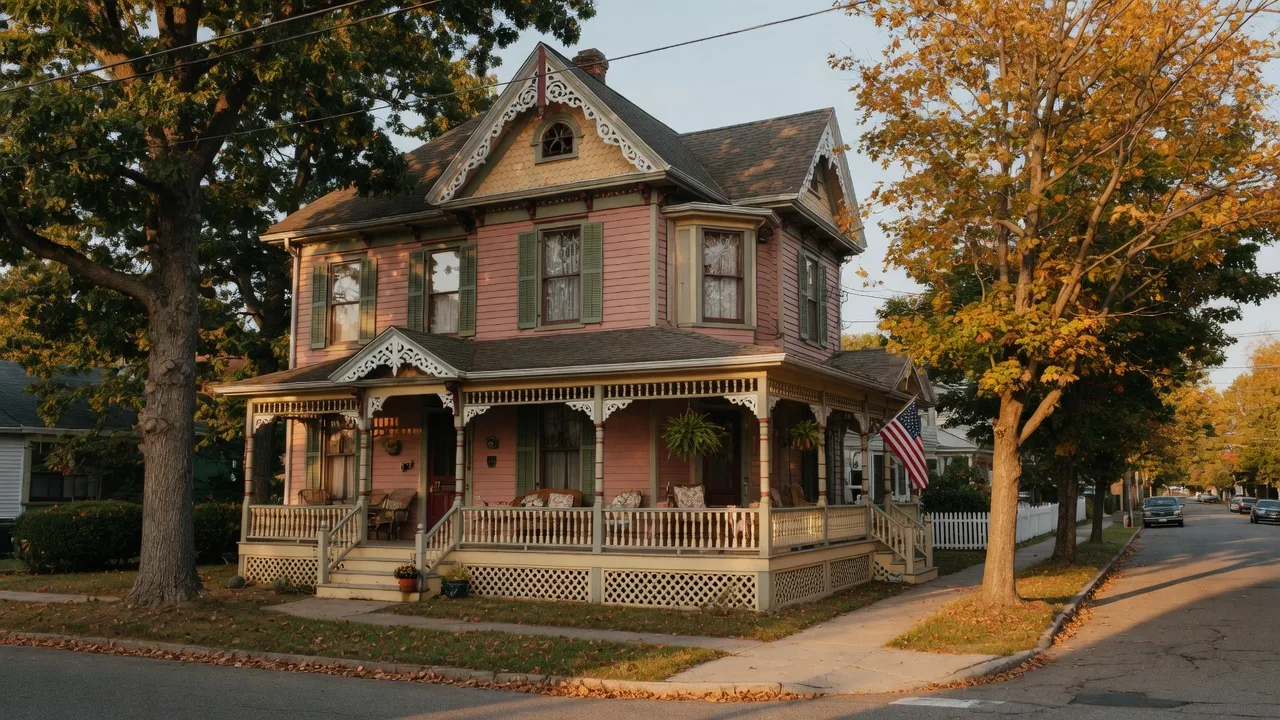
Buying a historic home in South Jersey offers something no new construction can replicate: character, craftsmanship, and a direct connection to the past. From the ornate Victorians of Riverton to the colonial-era gems of Burlington City, these homes tell a story. But they also come with unique considerations that every buyer should understand before falling in love with the stained glass and crown molding.
I have helped over 728 families buy and sell homes across Burlington County and South Jersey, and I have seen buyers fall into two camps when it comes to historic properties. Some are immediately drawn to the charm and willing to embrace whatever comes with it. Others discover the realities of old-house ownership after closing and feel overwhelmed. This guide is designed to help you make an informed, confident decision — not a pressured one.
What Makes a Home "Historic" in South Jersey?
In real estate terms, a historic home is generally one that is at least 50 years old and retains much of its original architectural character. In South Jersey, many homes in this category date from the 18th, 19th, and early 20th centuries, reflecting the region's rich history as one of the original American colonies.
A home may also be designated as historic at the local, state, or national level. National Register of Historic Places designation is honorary and does not restrict what you can do to the property. Local historic district designation, however, may impose guidelines on exterior changes. More on that in my guide to historic districts in South Jersey.
Why Buy a Historic Home in South Jersey?
The appeal of a historic home is deeply personal, but several themes come up consistently with buyers I work with:
- Unmatched character: Original hardwood floors, ornate moldings, stained glass windows, built-in cabinetry, hand-carved staircases. These details are expensive or impossible to replicate today.
- Quality craftsmanship: Older homes were often built with old-growth timber, lime mortar, and materials that simply are not used in modern construction. Many have stood for over a century and will stand for another.
- Established neighborhoods: Historic homes are typically found in mature, tree-lined neighborhoods with sidewalks, parks, and a strong sense of community.
- Proven longevity: A home that has survived 100+ years has already proven its structural soundness through multiple generations of weather, use, and care.
- Investment potential: In desirable historic districts, well-maintained historic homes often appreciate at rates comparable to or better than newer construction in the same area.
What Potential Issues Should You Expect?
Historic homes come with real challenges that can affect both your budget and your peace of mind. Here are the most common issues I see in South Jersey's older homes:
Old Electrical Systems
Many historic homes in South Jersey still have knob-and-tube wiring, which was standard before the 1940s. This system lacks a ground wire and cannot handle the electrical load of modern appliances, electronics, and HVAC systems. Upgrading to modern wiring is strongly recommended for safety and functionality, and it typically costs between $8,000 and $20,000 depending on the size of the home.
Some insurance companies will not insure a home with active knob-and-tube wiring. If you are financing the purchase, your lender may also require it to be updated before closing. A historic home inspection will identify these issues before you commit.
Lead Paint and Environmental Concerns
Homes built before 1978 almost certainly contain lead-based paint. In New Jersey, sellers are required to disclose known lead paint hazards, but many historic homes have layers of paint applied over decades. Lead paint is manageable if it is in good condition and not disturbed, but renovations that involve sanding or demolition require certified lead-safe contractors.
Asbestos is also common in homes built before the 1980s. It may be found in pipe insulation, floor tiles, siding, and popcorn ceilings. Asbestos is not hazardous if left undisturbed, but removal requires professional abatement. Budget an extra $3,000 to $10,000 if you plan renovations that disturb these materials.
Foundation and Structural Issues
The most common foundation issue in older South Jersey homes is settlement. Over a century or more, homes settle into the ground, which can cause sloping floors, cracked plaster, doors that stick, and uneven window frames. Minor settling is normal and cosmetic. Major foundation issues — significant cracks, bowing walls, or water intrusion — are more serious and should be evaluated by a structural engineer.
Many historic homes in the region were built on shallow fieldstone foundations without proper drainage. This can lead to damp basements and moisture issues. French drains, sump pumps, and improved grading can mitigate these problems. Typical foundation repair costs range from $5,000 to $30,000 depending on severity.
Plumbing Systems
Older plumbing in South Jersey historic homes is often a mix of materials. Galvanized steel pipes were common before the 1950s and are prone to corrosion and scale buildup, which reduces water pressure and can cause discolored water. Cast iron drain pipes eventually rust from the inside out. Many historic homes have had partial updates, and a thorough inspection is essential to understand what is original and what has been replaced.
Full repiping a historic home typically ranges from $5,000 to $15,000.
Roofing and Weatherproofing
Historic homes often have roofs that were built to different standards. Slate roofs, while beautiful and long-lasting (50-100 years), are expensive to repair and replace. Wood shake roofs require regular maintenance. Many older homes also lack modern insulation in walls and attics, leading to higher heating and cooling costs. Budget $10,000 to $25,000 for a full roof replacement on a historic home.
What Are the Preservation Considerations?
If the home is located in a local historic district, any exterior changes visible from the street may require approval from the local historic preservation commission. This includes roof replacements, window changes, paint colors (in some districts), porch modifications, and additions. Understanding these restrictions before you buy is critical.
On the positive side, New Jersey offers a Historic Property Reinvestment Program that provides a transferable tax credit for up to 30% of qualified rehabilitation costs for historic homes. This can make a significant difference in the financial equation when you are planning major renovations.
The New Jersey Historic Preservation Office is the best resource for understanding state-level programs and guidelines. For local requirements, contact the planning or zoning department in the municipality where the property is located.
Where Are South Jersey's Best Historic Home Communities?
South Jersey has some of the most remarkable historic housing stock on the East Coast. Here are the communities I recommend to buyers looking for historic character:
- Riverton: A National Register Historic District with stunning Victorian and Queen Anne homes along tree-lined streets. The entire town feels like a step back in time.
- Burlington City: Founded in 1677, Burlington City is one of the oldest settlements in New Jersey. The High Street Historic District is filled with 18th and 19th century homes.
- Bordentown: A historic river town with a walkable downtown and beautiful Victorian and Federal-style homes.
- Haddonfield: One of South Jersey's most desirable communities, with a historic district featuring Colonial, Federal, and Victorian architecture surrounding a vibrant downtown.
- Moorestown: The Moorestown Historic District includes homes dating to the 18th and 19th centuries with a mix of architectural styles.
Other towns with notable historic home inventories include Collingswood, Cinnaminson, Mount Holly, Florence, and Medford. Each has its own historic district or concentration of older homes worth exploring.
How Do You Finance a Historic Home Purchase?
Financing a historic home is similar to financing any other home, with a few important differences. Some lenders may require additional documentation if the home has knob-and-tube wiring, a flat roof, or other features that affect insurability. FHA loans require the home to meet minimum property standards, which can be more challenging for older homes with deferred maintenance.
Conventional loans offer more flexibility but may still require repairs to be completed before closing if an appraisal identifies safety issues. VA and USDA loans have their own property condition requirements.
The key is working with a lender who has experience with historic properties and understands the unique quirks of older homes. I can connect you with lenders who are well-versed in historic home financing in South Jersey.
Frequently Asked Questions About Buying Historic Homes
Are historic homes more expensive to maintain?
Yes, generally speaking. Older systems require more frequent maintenance and repairs. Budgeting 1-2% of the home's value annually for maintenance is a standard guideline, but with historic homes you may want to plan for 2-3% in the early years as you address deferred maintenance and system upgrades.
Can I renovate a historic home in South Jersey?
Yes, but the extent depends on whether the home is in a local historic district. If it is, exterior changes visible from the street may require approval. Interior renovations are generally not restricted. For guidance, see Renovating a Historic Home: Balancing Character and Modern Comfort.
Do historic homes appraise for less?
Not necessarily. In desirable historic districts, well-maintained historic homes often command premium prices. However, unique or eccentric floor plans and deferred maintenance can affect appraisals. A good agent will help you understand recent comparable sales in the area.
What inspections should I get on a historic home?
A standard home inspection is essential, but you should also consider a specialized inspection for the electrical system, roof, foundation, and environmental hazards (lead paint, asbestos). A sewer scope and chimney inspection are also recommended for older homes. Read my full guide on historic home inspections for details.
Is historic home insurance more expensive?
It can be. Some carriers charge more for older wiring, older plumbing, and roofs near the end of their useful life. Some carriers will not insure homes with knob-and-tube wiring at all. Shopping for an insurer who specializes in historic homes is recommended.
Making Your Decision With Confidence
Buying a historic home in South Jersey is not for everyone, but for the right buyer it can be one of the most rewarding decisions you ever make. These homes offer a level of character, craftsmanship, and connection to history that you simply cannot find in modern construction.
The key is going in with your eyes open. Understand the potential issues, budget for them appropriately, and work with professionals who have experience with older homes. With the right preparation, a historic home can be a wonderful place to create your own history.
I have helped many buyers find and successfully purchase historic homes in Burlington County and South Jersey. If you are considering a historic property, I would love to talk about what you are looking for and how I can help.

Bob Millaway
Epique Realty Agent and AI Certified Agent with 20+ years of experience and 728+ homes sold across Burlington County and South Jersey. Bob specializes in helping buyers and sellers navigate every type of real estate transaction, including historic and unique properties.
About Bob