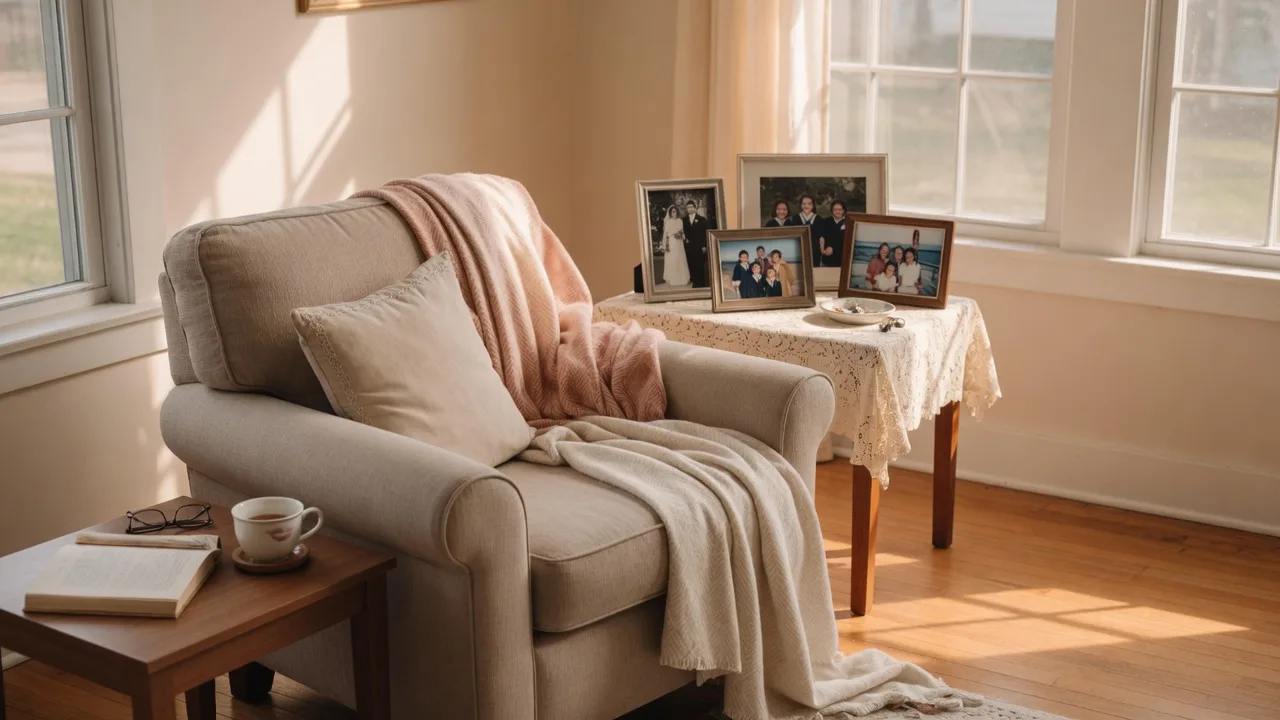
A reverse mortgage is a loan that lets homeowners age 62 and older convert part of their home equity into cash without making monthly mortgage payments. It is a financial tool that has helped many retirees in South Jersey stay in their homes and maintain their quality of life. But it is also widely misunderstood.
This guide explains exactly what a reverse mortgage is, how it works, who it is best suited for, and what South Jersey homeowners specifically need to consider. Whether you are exploring options for yourself or helping a parent or older relative make a decision, this information will help you move forward with confidence.
What Is a Reverse Mortgage?
A reverse mortgage is a type of home loan that allows homeowners 62 or older to access the equity they have built up in their home. Unlike a traditional "forward" mortgage where you make monthly payments to the lender, a reverse mortgage pays you. The loan is repaid when you sell the home, move out permanently, or pass away.
The most common type is the Home Equity Conversion Mortgage (HECM), which is insured by the Federal Housing Administration (FHA). HECM loans account for the vast majority of reverse mortgages in the United States and are the standard option most borrowers consider.
The key distinction is simple: with a regular mortgage, you owe money each month and your loan balance decreases over time. With a reverse mortgage, the lender sends you money (or credits your account), and the loan balance grows over time as interest accrues. You never make a monthly payment for as long as you live in the home.
How Does a Reverse Mortgage Work?
When you take out a reverse mortgage, you continue to own your home and your name stays on the title. The lender places a lien on the property, similar to a regular mortgage, but instead of you paying them, they provide you with funds from your home's equity.
Here is how the mechanics work:
- You receive funds as a lump sum, monthly payments, a line of credit, or a combination of these options
- Interest accrues on the amount you borrow, increasing the loan balance over time
- You are not required to make any principal or interest payments while you live in the home
- You must continue to pay property taxes, homeowners insurance, and maintain the property
- When you sell the home, move out permanently, or pass away, the loan becomes due
- Any remaining equity after the loan is repaid goes to you or your heirs
Because the loan is non-recourse, neither you nor your heirs will ever owe more than the home is worth at the time of repayment. If the sale of the home does not cover the full loan balance, the FHA insurance fund covers the difference.
Types of Reverse Mortgages
There are three main types of reverse mortgages. Understanding the differences helps you choose the right fit for your situation.
Home Equity Conversion Mortgage (HECM)
The HECM is the most common type of reverse mortgage. It is insured by the FHA and available through FHA-approved lenders. For 2026, the HECM lending limit is $1,249,125, meaning that is the maximum home value the FHA will use when calculating how much you can borrow. If your home is worth more, you may still qualify, but the calculation is based on the limit amount.
HECM loans can be used for any purpose and offer flexible payment options. They require mandatory HUD-approved counseling before you apply.
Proprietary Reverse Mortgage
These are private loans offered by individual lenders, not insured by the FHA. They are sometimes available to borrowers as young as 55 and may allow you to borrow against higher-value homes that exceed the HECM limit. Interest rates may vary, and terms are set by the lender rather than by federal guidelines.
Single-Purpose Reverse Mortgage
Offered by some state and local government agencies and nonprofit organizations, these loans are the least common type. They can only be used for a specific purpose designated by the lender, typically home repairs or property taxes. They are generally lower cost but much more limited in availability and use.
Who Is a Reverse Mortgage Best For?
A reverse mortgage is not right for everyone. It works best for homeowners who meet certain circumstances:
- Retirees with limited monthly income. If your retirement income is fixed but you have significant home equity, a reverse mortgage can supplement your cash flow without requiring you to sell your home.
- Homeowners who want to age in place. If staying in your current home for the rest of your life is your priority, a reverse mortgage can provide the financial flexibility to make that happen.
- People with high equity and low debt. You generally need 50% or more equity in your home. The more you own, the more you can access.
- Seniors who do not plan to leave the home to heirs. Because the loan is repaid from the sale of the home, a reverse mortgage reduces the inheritance value. If leaving the home to children or other heirs is important, this may not be the best option.
- Those who can keep up with taxes and insurance. You must stay current on property taxes, homeowners insurance, and maintenance. If those costs are a struggle, a reverse mortgage may not be advisable.
In Burlington County, I often work with downsizing seniors and empty nesters who have paid off their mortgage or have very little remaining debt. They love their home and their neighborhood, but their retirement income does not stretch as far as it used to. A reverse mortgage can bridge that gap.
Eligibility Requirements
To qualify for a HECM reverse mortgage, you must meet the following requirements:
- Age. All borrowers must be at least 62 years old. The youngest borrower's age determines the loan factors.
- Primary residence. The home must be your principal residence where you live most of the year.
- Sufficient equity. You must own your home outright or have significant equity, typically 50% or more.
- Property type. Single-family homes, FHA-approved condos, manufactured homes that meet FHA standards, and 2-4 unit properties where you occupy one unit are eligible.
- Financial assessment. The lender evaluates your ability to pay property taxes, insurance, and maintenance costs.
- HUD-approved counseling. You must complete a counseling session with a HUD-approved counselor before applying. This session ensures you understand the loan terms, costs, and obligations.
- U.S. citizenship or lawful permanent residency. You must provide proof of legal residency status.
The counseling requirement is one of the most important safeguards in the process. An independent counselor will review your financial situation, explain how the loan works, and help you decide whether a reverse mortgage is the right choice. They are not trying to sell you anything, and their goal is to make sure you are fully informed.
How Much Can You Borrow?
The amount you can borrow with a HECM reverse mortgage depends on several factors:
- The youngest borrower's age. Older borrowers can access a higher percentage of their home's value. The principal limit factor increases with age.
- The home's appraised value. Capped at the FHA maximum claim amount of $1,249,125 for 2026.
- Current interest rates. Lower rates allow you to borrow a higher percentage of your home's value.
- The HECM principal limit factor. A formula set by HUD based on the borrower's age and the expected interest rate.
Example calculation: A 72-year-old borrower with a home valued at $450,000 and a median expected interest rate might qualify for roughly 45% to 55% of the home's value in total loan proceeds. After paying off any existing mortgage and closing costs, the available net proceeds might be $150,000 to $200,000. A 78-year-old borrower with the same home might qualify for a higher percentage, closer to 55% to 65%.
For a more precise estimate, it is best to speak with a reverse mortgage lender who can run your specific numbers. The HUD counseling session will also provide a detailed estimate before you commit to anything.
What Can You Use the Money For?
One of the appealing features of a HECM reverse mortgage is that there are no restrictions on how you use the funds. Common uses include:
- Supplementing monthly retirement income. Many borrowers take monthly payments to fill the gap between Social Security and living expenses.
- Home repairs and modifications. Funding accessibility improvements like walk-in showers, grab bars, ramps, or a first-floor bedroom conversion.
- Medical bills and healthcare costs. Covering out-of-pocket expenses, prescription costs, or in-home care.
- Paying off an existing mortgage. If you still owe money on your home, the reverse mortgage proceeds can pay off that balance, eliminating your monthly payment.
- Emergency reserve. Setting up a line of credit that grows over time, giving you a safety net for unexpected expenses.
- Helping family members. Assisting adult children or grandchildren with education, a down payment, or other financial needs.
- Travel and quality of life. Funding the retirement lifestyle you envisioned.
For South Jersey homeowners, I have seen reverse mortgages used most often to pay off an existing mortgage balance and eliminate that monthly payment, freeing up cash flow for everyday expenses. It is a strategy that makes a lot of sense in New Jersey, where property taxes are among the highest in the country.
Costs and Fees
Like any mortgage, a reverse mortgage comes with costs. It is important to understand them before you proceed:
- Origination fee. The lender charges this fee for processing the loan. For HECM loans, the fee is capped at the greater of $2,500 or 2% of the first $200,000 of the home's value plus 1% of the amount above $200,000, with a maximum of $6,000.
- Mortgage insurance premium (MIP). There is an upfront MIP of 2% of the appraised value (capped at the lending limit) and an annual MIP of 0.5% of the outstanding loan balance. This insurance protects you and your heirs through the non-recourse feature.
- Appraisal fee. Typically $400 to $700 for a professional appraisal to determine the home's value.
- Closing costs. Title search, title insurance, recording fees, and other standard closing costs, usually $500 to $1,500.
- Servicing fee. The lender may charge a monthly servicing fee of up to $30 to $35 for managing the loan over its lifetime.
- Counseling fee. HUD-approved counseling typically costs $100 to $200, though some agencies offer it for free.
Many of these costs can be financed into the loan rather than paid out of pocket, but that means your total loan balance will be higher and you will have less net proceeds available.
Pros of a Reverse Mortgage
- No monthly mortgage payments. The single biggest advantage. You live in your home without a monthly principal and interest payment for as long as you stay there.
- Stay in your home. You keep the title and ownership of your home. A reverse mortgage lets you age in place in the home and neighborhood you love.
- Non-recourse protection. You will never owe more than the home's value at the time of repayment. The FHA insurance fund covers any shortfall.
- Supplement retirement income. The funds provide additional cash flow that can make retirement more comfortable and secure.
- Flexible payment options. Choose a lump sum, monthly payments, a line of credit, or a combination. You can change the payment structure later for a small fee.
- No income qualification. The loan is based on your home equity, age, and ability to pay taxes and insurance, not your monthly income or credit score.
- Proceeds are generally tax-free. The IRS does not consider reverse mortgage proceeds as taxable income. Consult your tax advisor for your specific situation.
Cons and Risks of a Reverse Mortgage
- Reduced inheritance for heirs. Because the loan is repaid from the sale of the home, your heirs will receive less, and potentially nothing, if the loan balance exceeds the home's value.
- Home must be sold to repay. When the last borrower dies or moves out permanently, the loan becomes due. The home typically must be sold to repay the balance unless heirs can pay off the loan with other funds.
- Upfront costs are high. The origination fee, mortgage insurance, and closing costs can total thousands of dollars. It is not a low-cost option.
- Interest accrues over time. The loan balance grows each year as interest is added. Over a decade, the balance can increase substantially.
- You must maintain the property. Falling behind on property taxes, homeowners insurance, or home maintenance can trigger a default and eventually foreclosure.
- Less equity remains. If your home's value stays flat or declines, you could use up most or all of your equity, leaving little for a future move or sale.
The most important risk to understand is the property tax and insurance obligation. In New Jersey, where the average effective property tax rate exceeds 2.49%, this is a significant ongoing cost. On a $400,000 home, annual property taxes can exceed $9,900. If you take a reverse mortgage and later cannot afford the taxes and insurance, you risk losing the home.
Common Myths About Reverse Mortgages
Myth: "The bank owns your home."
False. You retain full ownership of your home and your name stays on the title. The lender places a lien on the property, just like any mortgage, but you own the home. The bank does not take possession unless you default on your obligations.
Myth: "You can lose your home."
This is only true if you fail to meet your obligations: paying property taxes, maintaining homeowners insurance, and keeping the home in good repair. As long as you meet these requirements, you can live in the home for the rest of your life without making mortgage payments.
Myth: "You will owe more than your home is worth."
The HECM program includes non-recourse protection. You or your heirs will never owe more than the appraised value of the home at the time of repayment. If the loan balance exceeds the sale price, the FHA insurance fund covers the difference.
Myth: "Reverse mortgages are a last resort for desperate people."
This is not true. Many financially responsible retirees use reverse mortgages as a strategic tool to manage cash flow, reduce financial stress, and stay in homes they love. It is a planning tool, not an emergency measure.
Myth: "You cannot sell your home with a reverse mortgage."
You can sell your home at any time. When you sell, the reverse mortgage is repaid from the proceeds. Any remaining equity goes to you. There are no prepayment penalties on HECM loans.
South Jersey Context: What Local Homeowners Need to Know
New Jersey has the highest property taxes in the United States. For seniors on a fixed income, that can be a heavy burden. A reverse mortgage can help by eliminating the monthly mortgage payment, freeing up cash flow to cover taxes, insurance, and living expenses. But it also means you must budget carefully to stay current on those tax bills.
In Burlington County, median home values have risen to approximately $450,000 to $525,000, meaning many seniors have built substantial equity over the years. Over 40% of New Jersey homeowners aged 65 and older own their homes free and clear. Those homeowners are particularly strong candidates for a reverse mortgage because there is no existing mortgage to pay off.
Property tax considerations:
- The New Jersey Senior Freeze program may provide property tax reimbursement for eligible seniors, which can help offset the tax burden.
- Some municipalities offer property tax deferral programs for seniors that allow you to postpone payment until the home is sold.
- New Jersey law prohibits lenders from requiring you to buy additional financial products like annuities or life insurance as a condition of getting a reverse mortgage.
- Working with a local lender who understands New Jersey's property tax system can make the process much smoother.
For South Jersey homeowners considering aging in place, combining a reverse mortgage with home modifications for accessibility can be a powerful strategy. You can use the proceeds to fund walk-in showers, grab bars, first-floor bedroom conversions, and other modifications that make your home safer and more comfortable as you age.
I have helped many Burlington County families navigate the decision of whether to stay in their current home and take a reverse mortgage, or to sell and downsize instead. Each situation is different, and the right answer depends on your health, family situation, financial picture, and how strongly you feel about staying in your home.
Alternatives to a Reverse Mortgage
A reverse mortgage is one option, but it is not the only one. Before deciding, consider these alternatives:
- Downsizing. Selling your current home and moving to a smaller, less expensive property. This can free up significant equity and reduce your monthly expenses. Our Downsizing Guide covers the options available to South Jersey homeowners.
- Home equity line of credit (HELOC). A traditional HELOC allows you to borrow against your equity with a draw period and repayment period. You must make monthly payments, but there are no upfront mortgage insurance costs.
- Home equity loan. A lump-sum second mortgage with fixed monthly payments. Good for a specific one-time expense like a major home repair.
- Selling and renting. Selling your home and renting a smaller property eliminates maintenance and tax burdens while giving you immediate access to your full equity.
- Cash-out refinance. If you are younger or have strong income, a cash-out refinance into a traditional mortgage may be a better fit. You access your equity while keeping monthly payments you can manage.
- Property tax deferral or relief programs. New Jersey offers several programs to help seniors with property taxes, including the Senior Freeze program and municipal tax deferral options. These can reduce the need for a reverse mortgage.
- Government assistance programs. Programs like LIHEAP (energy assistance), SNAP (food assistance), and local senior services can reduce your monthly expenses and help you stretch your income further.
If you are unsure which path is right for you, start with a free consultation. I can walk through your options, connect you with trusted reverse mortgage lenders and counselors, and help you make an informed decision. No pressure, no sales pitch, just honest guidance.
Frequently Asked Questions
What happens when I die with a reverse mortgage?
When the last borrower on the reverse mortgage dies, the loan becomes due. The heirs have options: they can pay off the loan balance (either in cash or by refinancing into a traditional mortgage) and keep the home, or they can sell the home. The loan is repaid from the sale proceeds, and any remaining equity goes to the estate. If the loan balance exceeds the home's value, the FHA insurance covers the difference, and the heirs owe nothing. Heirs typically have 30 days to decide and up to 12 months to arrange financing or sell the property.
Can I sell my home with a reverse mortgage?
Yes, absolutely. You can sell your home at any time, for any reason. When you sell, the reverse mortgage is repaid from the proceeds of the sale. Any remaining equity after the loan balance and selling costs are paid goes directly to you. There are no prepayment penalties on HECM reverse mortgages.
Do I still pay property taxes with a reverse mortgage?
Yes. You are still responsible for paying property taxes, homeowners insurance, and maintaining the home. In fact, the lender will conduct a financial assessment before approving the loan to make sure you can afford these ongoing costs. Falling behind on property taxes or insurance can trigger a default and potentially lead to foreclosure. In New Jersey, where property taxes are the highest in the nation, this is an especially important consideration.
Can a reverse mortgage run out of money?
If you choose monthly payments, those payments will continue for as long as you live in the home, but the total amount you can receive is capped by the principal limit. If you choose a lump sum, you receive it all at once. A line of credit option grows over time and cannot be frozen or cancelled by the lender, as long as you meet your loan obligations (paying taxes and insurance). The line of credit actually increases in value as you age, giving you access to more funds over time.
Is a reverse mortgage taxable?
Generally, no. The IRS considers reverse mortgage proceeds as a loan advance, not as income. You do not need to report the funds as taxable income on your federal tax return. However, if you have any questions about your specific tax situation, it is always wise to consult with a tax professional or financial advisor who understands your full financial picture.
Can I refinance a reverse mortgage?
Yes, you can refinance a reverse mortgage into a new reverse mortgage or into a traditional mortgage. Refinancing a reverse mortgage into another reverse mortgage might make sense if interest rates have dropped significantly or if you want to access additional equity as your home has appreciated. Refinancing into a traditional mortgage makes sense if you want to preserve equity for heirs or if your income situation has changed. Your lender can help you compare the costs and benefits of refinancing based on your specific goals.
Do I need a certain credit score to qualify for a reverse mortgage?
There is no minimum credit score requirement for a HECM reverse mortgage. However, the lender will conduct a financial assessment to check your ability to pay property taxes, insurance, and maintenance costs. They will review your credit history, income, assets, and payment history on existing obligations. A history of delinquent property taxes or unpaid federal debt could disqualify you, but lower credit scores alone are not necessarily a barrier.
How long does it take to get a reverse mortgage?
The reverse mortgage process typically takes 30 to 45 days from application to closing. The timeline includes the HUD-approved counseling session (which must be completed before the application can proceed), the home appraisal, underwriting, and the standard closing process. Streamlined options may be available in some cases, but most borrowers should plan for about a month and a half from start to finish.
Final Verdict: When to Consider a Reverse Mortgage and When to Avoid It
A reverse mortgage may be a good fit if:
- You plan to stay in your home for the long term and want to age in place
- You have significant equity and need to supplement your retirement income
- You can comfortably afford to keep paying property taxes, insurance, and maintenance
- You understand and accept that the loan will reduce the value of your estate
- You have completed HUD counseling and feel confident in your decision
A reverse mortgage is probably not right if:
- You plan to move within the next few years
- Leaving your home to heirs debt-free is a top priority
- You are already struggling to pay property taxes and insurance
- You have a small amount of equity and the upfront costs would consume most of it
- You are not comfortable with the loan balance growing over time
The most important step you can take is to attend HUD-approved counseling. That session is designed to help you make a fully informed decision. No good counselor will push you into a reverse mortgage. They will review the numbers, explain the trade-offs, and help you decide if this tool fits your life.
I also strongly recommend involving your family in the conversation. A reverse mortgage affects your heirs, and having an open discussion about your plans and their expectations can prevent misunderstandings later.
Still Have Questions?
I have helped dozens of South Jersey families explore their options and make confident decisions about reverse mortgages, downsizing, and retirement housing. I am not a lender or a tax professional, but I can help you understand your choices, connect you with trusted local lenders and HUD-approved counselors, and talk through what makes sense for your situation.
Have questions about reverse mortgages? Contact Bob Millaway at 856.426.1522
You can also ask your question here and I will get back to you with a personal response. For more on your mortgage options, visit our Mortgage Center. If you are considering selling, start with a free home valuation to know what your home is worth. And if downsizing is one of your options, our Downsizing Guide covers everything you need to know.
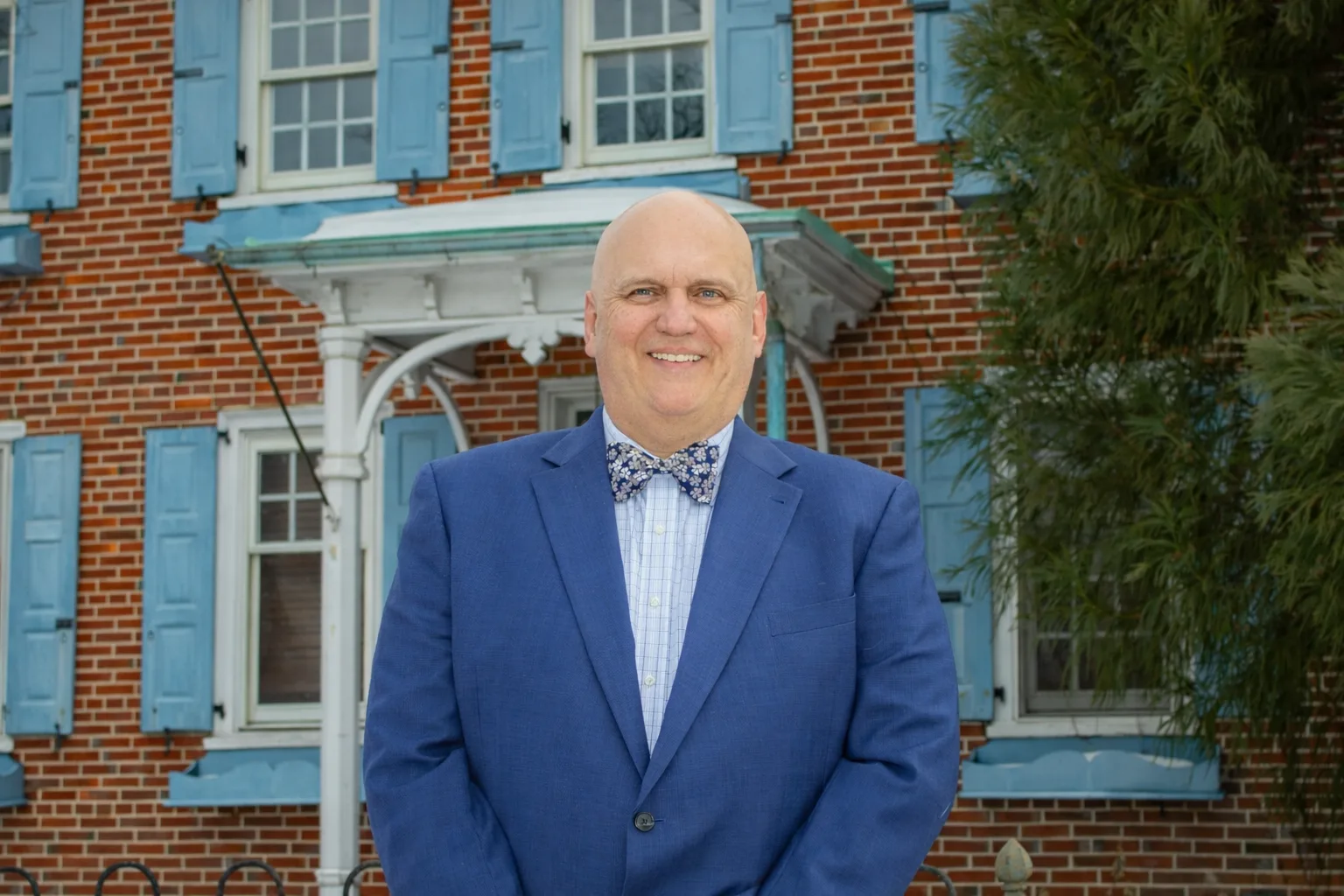
Bob Millaway
Epique Realty Agent, AI Certified Agent. 728+ homes sold across Burlington County and South Jersey. Licensed NJ Salesperson #791082. I help families navigate big financial decisions with honest guidance and zero pressure.