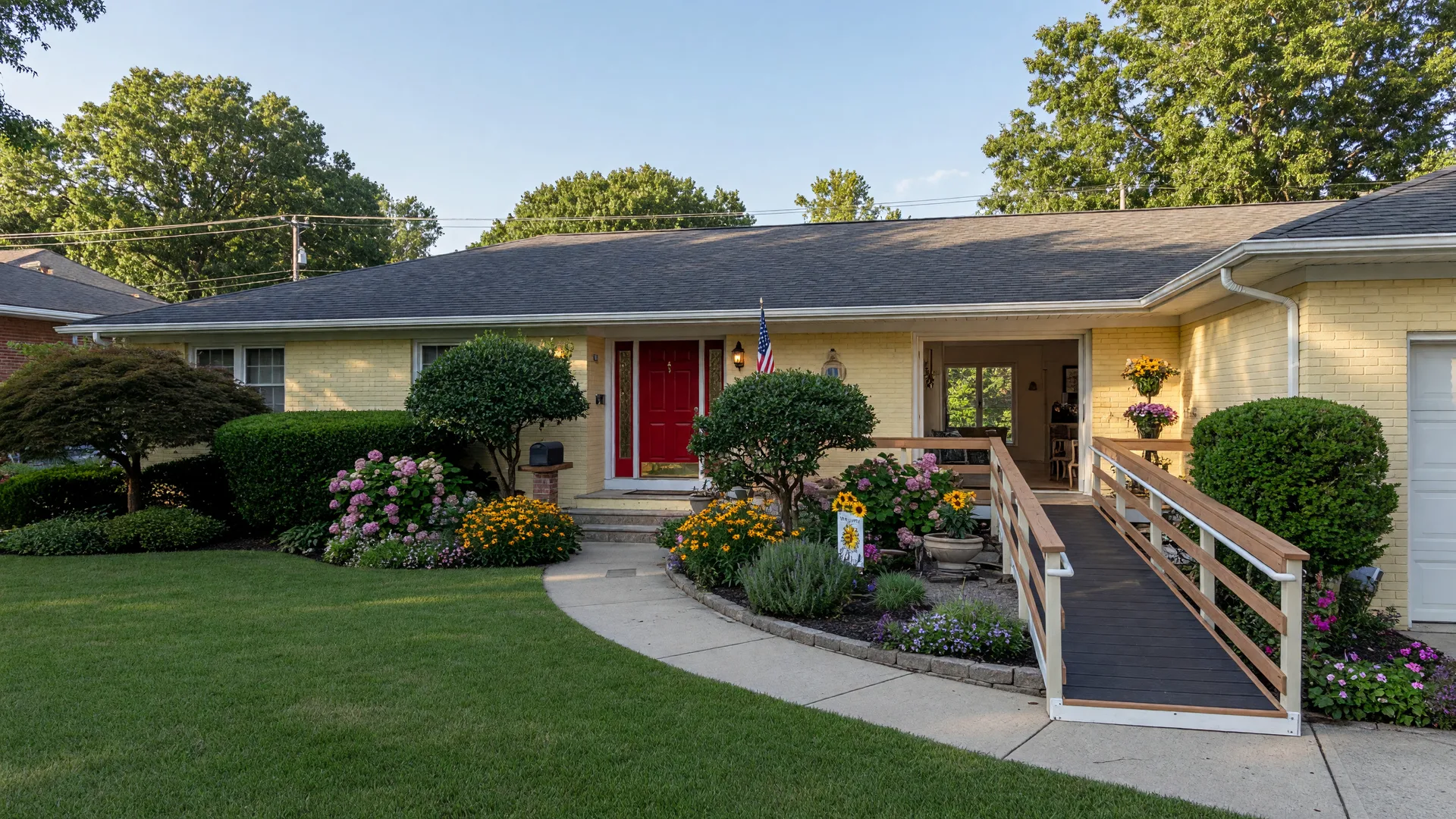
Finding an accessible home in South Jersey does not have to mean settling for a property that is outdated, poorly located, or overpriced. Burlington and Camden Counties offer a surprising range of homes designed with accessibility in mind, from ranch-style homes on generous lots to condos with elevator access and active adult communities built on single-level floor plans.
Whether you use a wheelchair, use a walker, or simply want to eliminate stairs to prepare for the future, this guide covers what is available, which towns have the best inventory, what features to prioritize, and how to find a home that works for your specific needs.
What Makes a Home Accessible?
An accessible home has features that make it safe and easy to navigate for people with mobility challenges, vision impairments, or other physical limitations. The most important features include:
- Zero-step entry. No stairs at the front door, back door, or garage entrance. This is the single most important feature for wheelchair users.
- Single-floor living. All essential rooms (bedroom, bathroom, kitchen, laundry) on one level. No stairs needed for daily life.
- Wide doorways (32 to 36 inches). Allows wheelchair and walker passage. Standard doorways are 30 to 32 inches.
- Wide hallways (42 inches or more). Enough space for a wheelchair to turn and maneuver.
- Accessible bathroom. Walk-in shower with bench, grab bars, comfort-height toilet, and sufficient turning radius for a wheelchair.
- Accessible kitchen. Pull-out shelves, side-by-side refrigerator, touch-activated faucet, and countertops at usable heights.
- Lever-style door handles. Easier to operate than round knobs.
- Non-slip flooring. Avoid high-gloss tile and thick carpet that can catch wheels or cause trips.
What Types of Accessible Homes Are Available in South Jersey?
The South Jersey housing market includes several home types that are naturally more accessible or can be easily adapted:
- Ranch-style homes. These are the gold standard for accessibility. Everything is on one floor, and many ranches have wider hallways and doorways than colonial or Victorian homes. Burlington County has excellent ranch inventory, particularly in mid-century neighborhoods. Towns like Cinnaminson, Delran, Willingboro, and Burlington Township have many well-built ranch homes from the 1950s through 1970s.
- Active adult communities. Most 55-plus communities in Burlington County are built with accessibility in mind. Many offer single-story homes, first-floor master suites, and low-maintenance exteriors. Communities like Four Seasons at Mount Laurel and Traditions at Medford are excellent options.
- Condos and townhomes with elevators. Some newer condo buildings, particularly in Moorestown, Marlton, and Cherry Hill, offer elevator access and first-floor units. These are ideal for people who want accessibility without the maintenance of a single-family home.
- New construction with accessible design. Some builders in South Jersey now offer universal design options. You can request wider doorways, zero-step entries, and accessible bathrooms during construction. This is the most expensive option but gives you exactly what you need.
- Homes already modified for accessibility. Occasionally, a home that was modified for a previous owner with mobility needs comes on the market. These homes already have ramps, grab bars, widened doorways, and other features installed. They sell quickly, so it pays to work with an agent who knows what to look for and can move fast when one appears.
Which South Jersey Towns Have the Best Accessible Home Inventory?
Based on my experience working with buyers and sellers across the region, here are the towns with the strongest inventory of accessible and adaptable homes:
- Cinnaminson: Strong ranch inventory, particularly in the neighborhood around Holy Name Church and along Riverton Road. Also close to Virtua Memorial Hospital in Mount Holly, a major healthcare hub.
- Delran: Affordable ranch homes and some newer single-story construction. Close to Route 130 and I-295 for easy access to medical appointments and shopping.
- Willingboro: The largest concentration of affordable ranch homes in Burlington County. Many are well-maintained and on larger lots. Close to Virtua and Lourdes health systems.
- Mount Laurel: A mix of ranch homes, active adult communities, and condos. Excellent access to shopping, healthcare, and major roads. Higher price point than Willingboro or Delran but more inventory turnover.
- Medford: Ranch homes on larger lots, plus the Traditions at Medford active adult community. Quieter, more rural feel.
- Burlington Township: Solid inventory of split-level and ranch homes. Good proximity to hospitals and Route 295.
- Marlton: Townhome communities and condos with first-floor units. Convenient to Virtua Marlton Hospital and the Promenade shopping center.
How Much Do Accessible Homes Cost in Burlington and Camden Counties?
Prices vary widely by town, home size, and condition. Here is a general range for the most common accessible home types:
- Ranch homes needing updates: $200,000 to $350,000. Available in Willingboro, Delran, Burlington Township, and Cinnaminson.
- Updated ranch homes: $350,000 to $500,000. Larger ranches in Medford, Mount Laurel, and Cinnaminson.
- Active adult community homes: $250,000 to $600,000. Price depends on community, location, and square footage.
- Condos with accessibility features: $200,000 to $450,000. Moorestown, Marlton, and Mount Laurel have the best inventory.
- New construction with universal design: $500,000 to $800,000+. Available in newer developments across the county.
Your budget will go further in Willingboro, Delran, and Burlington Township than in Moorestown or Medford. The tradeoff is often proximity to shopping and restaurants versus space and quiet. I can help you find the right balance for your priorities.
How Do You Search for Accessible Homes Effectively?
Searching for accessible homes on typical real estate websites is frustrating because accessibility features are rarely listed in the property details. Most listings do not mention door width, grab bars, or zero-step entries. Here is how I help my clients find accessible homes:
- Search by home style first. I filter for ranch, single-story, and townhome listings because these are most likely to have accessible layouts.
- Scan listing photos for clues. I look for grab bars in bathrooms, ramps at entrances, and open floor plans in listing photos.
- Read agent remarks. Sometimes the listing agent notes accessibility features in the private remarks that I can see.
- Contact the listing agent directly. I ask specific questions about door widths, step heights, and bathroom accessibility.
- Visit homes in person. Photos can be misleading. I always recommend visiting promising homes in person to assess the actual accessibility.
- Early access to new listings. Homes with accessibility features tend to sell fast. Through my Early Access program, I can notify you as soon as a matching listing hits the market, often before it is publicly available.
Should You Modify an Existing Home or Buy One Already Accessible?
This is the same question that comes up with aging in place, but applied to the buying decision. Here is how I help clients weigh it:
- If you already own a home you love: Adding accessibility features through renovation is often the right choice, especially if you are in a great neighborhood and have good neighbors nearby. See our Aging in Place guide for a full breakdown of modifications and costs.
- If you are buying and do not need modifications immediately: Look for a home that is adaptable. A ranch with a slab foundation is easier to modify than one with a crawlspace or basement. A first-floor half bath can be converted to a full accessible bath.
- If you need full accessibility now: Look for homes that already have the features you need, or for active adult communities built with single-level living. It is worth paying a premium for a home that works from day one rather than spending months on renovations.
What Resources Are Available for Finding and Financing Accessible Homes?
If you are a veteran, the VA offers grants for home modifications for disabled veterans. New Jersey also has programs to help income-qualified homeowners with accessibility improvements. Here are the most helpful resources:
- New Jersey Home Modification Program: Provides grants for safety and accessibility improvements for income-eligible seniors.
- VA Specially Adapted Housing (SAH) Grant: For veterans with service-connected disabilities. Can be used to modify an existing home or buy a home already adapted.
- FHA 203(k) Rehabilitation Loan: Allows you to roll the cost of accessibility modifications into your mortgage when you buy a home that needs work.
- Local area agencies on aging: Burlington County Office on Aging provides information about local resources for seniors and people with disabilities.
Frequently Asked Questions
Are there any completely ADA-compliant homes on the market in South Jersey?
What is the most affordable town for accessible homes in Burlington County?
Do I need a special real estate agent to find an accessible home?
Can I get financing that covers both the home purchase and accessibility modifications?
Find an Accessible Home That Works for You
You do not have to settle for a home that does not fit your needs. With the right guidance, you can find a home in South Jersey that is comfortable, safe, and accessible for years to come. I would love to help you find it.
Contact Bob or schedule a consultation to start your search for an accessible home in Burlington or Camden County.
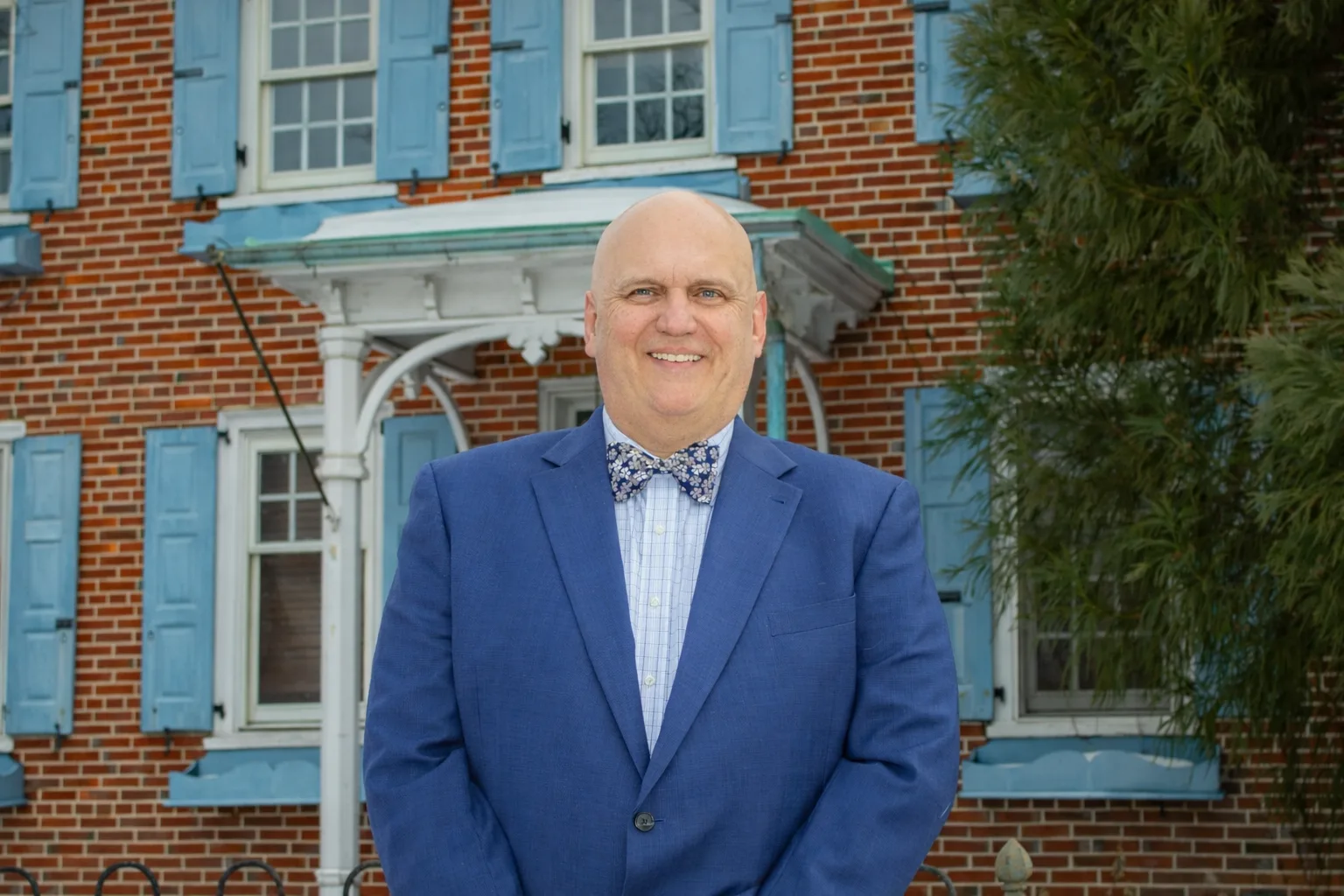
Bob Millaway
Epique Realty Agent · AI Certified Agent™ · 728+ homes sold. I know the South Jersey market inside and out, and I know exactly how to find accessible homes that most buyers never see. Let me put that knowledge to work for you.
Contact Bob