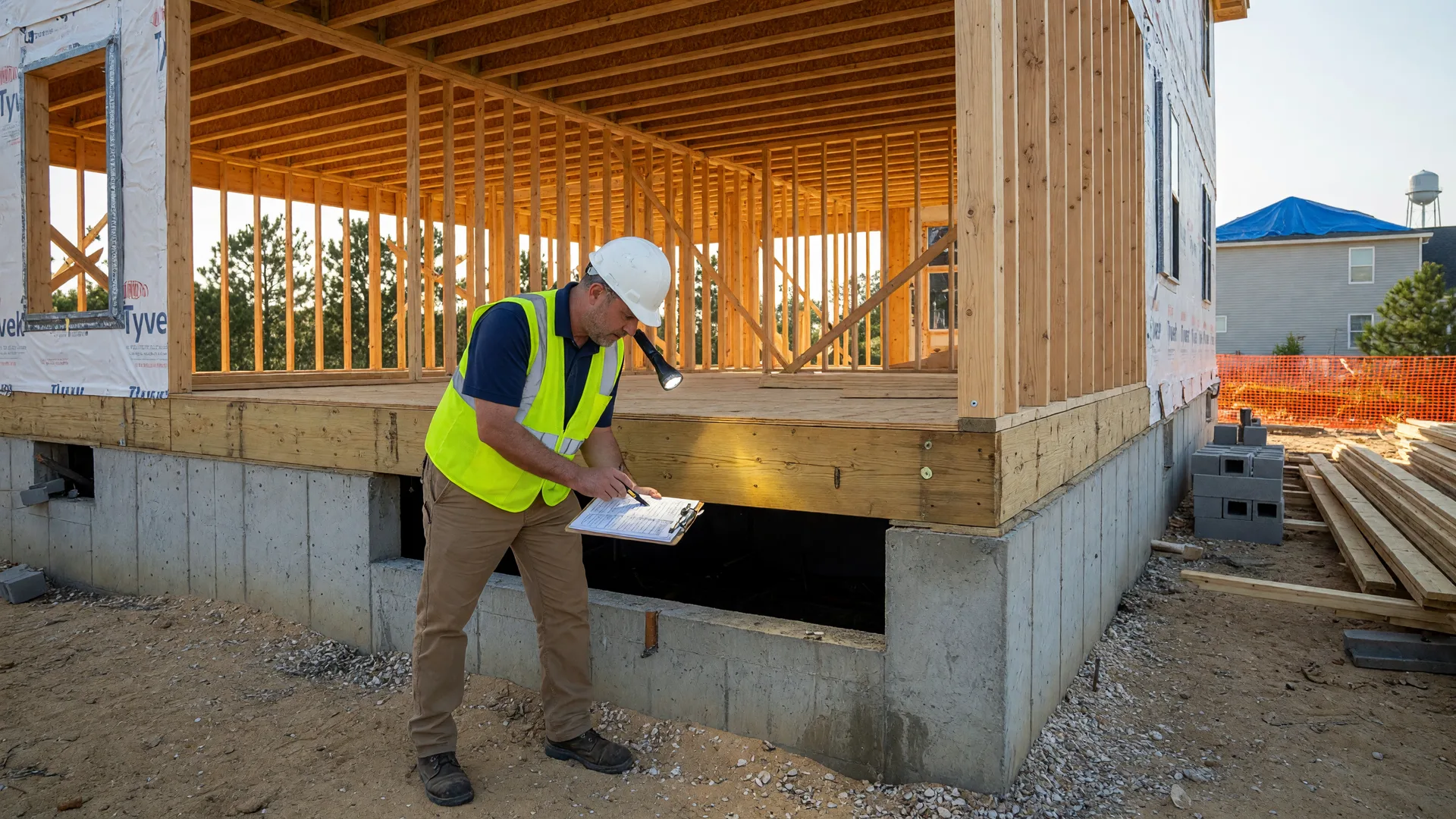
The short answer is yes. You absolutely need an independent inspection on new construction. Even though the home is brand new, even though it passed municipal inspections, and even though the builder offers a warranty, an independent inspection is one of the most important steps you can take to protect your investment.
I have walked through dozens of new construction homes with clients and independent inspectors. In almost every case, the inspector found something the builder missed. Some issues were minor, like a loose cabinet door or a paint touch-up. Others were significant, like improperly installed plumbing, missing insulation, or electrical code violations. The inspection is your opportunity to catch these issues before you close.
Why Do New Homes Need Inspections?
It is a common misconception that new construction homes are perfect because they are new. The reality is that new homes are built by humans, and humans make mistakes. Construction workers are working under deadlines, subcontractors may cut corners, and the builder's quality control team can only catch so much.
Here are the most common reasons new construction homes need independent inspections:
- Municipal inspections are not enough: City or county building inspectors check for code compliance, but they do not inspect every detail of the home. They focus on safety and structural requirements, not on finish quality or workmanship.
- Builder quality control is limited: Builders have their own quality control processes, but they are not independent. They work for the builder, and their incentives are not always aligned with catching every issue.
- Subcontractor errors are common: Different crews handle different aspects of construction. A framing crew, a plumbing crew, an electrical crew, and a drywall crew all work on the same home. Communication gaps and rushed work lead to mistakes.
- Warranty claims are easier with documentation: If you have an inspection report from before closing, you have documented evidence of issues that need to be addressed. Without it, warranty claims can be harder to prove.
When Should I Schedule New Construction Inspections?
Ideally, you should schedule multiple inspections at different stages of construction. While this is not always possible, especially with production builders who have strict construction schedules, it is worth asking about. Here are the key stages to inspect:
Pre-Drywall Inspection (Phase 1)
This is the most valuable inspection you can schedule. Before the drywall goes up, the inspector can see the framing, plumbing, electrical wiring, insulation, and HVAC ductwork. This is the only time you can check what is behind the walls.
During a pre-drywall inspection, the inspector will look for:
- Proper framing and structural support
- Correct nail patterns and joist spacing
- Plumbing that is properly routed and supported
- Electrical wiring that meets code
- Insulation that is installed correctly with no gaps
- HVAC ductwork that is properly sealed and routed
- Any signs of water damage or mold
If the builder does not allow pre-drywall inspections, that is a red flag. A reputable builder should welcome the opportunity to have an independent set of eyes on the work before it is covered up.
Final Walkthrough Inspection (Phase 2)
Before closing, you will do a final walkthrough. This is your opportunity to inspect the finished home and identify any issues that need to be addressed before you take ownership. Bring your inspector or do a thorough walkthrough yourself with a checklist.
During the final walkthrough, look for:
- Paint touch-ups and drywall imperfections
- Flooring damage, gaps, or uneven installation
- Cabinet doors that do not close properly
- Countertop seams and installation quality
- Plumbing fixtures that leak or have low water pressure
- Electrical outlets that work (test every one)
- Windows and doors that open, close, and lock properly
- Appliances that are installed correctly and functioning
- HVAC system that heats and cools properly
- Landscaping that is complete and healthy
- Driveway and walkway surfaces that are even and crack-free
11-Month Warranty Inspection (Phase 3)
Most new construction homes come with a 1-year warranty on workmanship and materials. Just before that warranty expires, schedule another inspection. This is your last chance to identify issues that have developed over the first year of living in the home.
Common issues found during 11-month inspections include:
- Cracks in drywall from settling
- Doors that have shifted and no longer close properly
- Flooring gaps or damage from normal use
- Caulking that has failed around tubs, showers, and sinks
- HVAC issues that have become apparent over time
- Plumbing leaks that developed slowly
- Exterior issues like cracked siding or roof concerns
Many builders require you to submit warranty claims before the 1-year anniversary, so put the date on your calendar and schedule the inspection a few months early.
What If the Builder Does Not Allow Inspections?
If a builder tells you that you cannot bring an independent inspector to the property, that is a major red flag. Reputable builders welcome inspections because they want to deliver a quality product and avoid warranty claims later.
Some builders may try to limit inspections by saying their quality control process is sufficient or that inspections will delay construction. Stand your ground. An independent inspection is your right as a buyer, and it is the best way to ensure you are getting the home you paid for.
If the builder continues to refuse, consider whether this is a builder you want to work with. A builder who hides their work from inspection is not a builder you can trust.
How Much Does a New Construction Inspection Cost?
The cost of a new construction inspection depends on the size of the home and the stage of construction. Here are typical price ranges:
- Pre-drywall inspection: $300 to $500
- Final walkthrough inspection: $400 to $700
- 11-month warranty inspection: $300 to $500
- Bundle all three: $800 to $1,500
Compared to the cost of the home, the inspection fee is a small price to pay for peace of mind. A single major issue discovered during an inspection can save you thousands of dollars in repairs.
How Do I Choose a New Construction Inspector?
Not all home inspectors are experienced with new construction. Look for an inspector who specifically advertises new construction inspection services and has experience working with builders. Ask these questions when evaluating an inspector:
- How many new construction inspections have you done? You want someone who has done dozens or hundreds, not just a few.
- Are you familiar with the builders in this area? An inspector who knows the local builders will know what to look for.
- Do you do pre-drywall inspections? Not all inspectors offer this service, but it is the most valuable inspection you can get.
- Can you provide a sample report? A good inspector provides a detailed, easy-to-understand report with photos.
- What certifications do you hold? Look for certifications from InterNACHI, ASHI, or similar organizations.
Frequently Asked Questions About New Construction Inspections
Is a new construction inspection really necessary if the home has a warranty?
Yes. A warranty is a promise to fix issues, but filing warranty claims can be a slow and frustrating process. An inspection before closing ensures issues are documented and addressed before you take ownership, when you have the most leverage.
What are the most common issues found in new construction inspections?
Common issues include improper framing, missing insulation, incorrectly wired outlets, poorly installed plumbing, HVAC ductwork that is not sealed, and finish issues like paint touch-ups, flooring gaps, and cabinet misalignment.
Can the builder refuse to fix issues found during inspection?
The builder should address legitimate issues found during the inspection. If the builder refuses, your leverage is that you can delay closing or walk away. Most builders will negotiate to keep the deal on track.
Does the municipal building inspection cover the same things as a private inspection?
No. Municipal inspections check for code compliance on safety and structural issues. They do not inspect finish quality, workmanship, or minor details. A private inspection is much more thorough and covers items the city inspector will never look at.
Can I do the inspection myself?
You should walk through the home yourself and note any issues you see, but you should also hire a professional inspector. An experienced inspector knows what to look for and where hidden problems are likely to be. They have tools like moisture meters, thermal imaging cameras, and electrical testers that you do not.
Protect Your Investment With a New Construction Inspection
Buying a new construction home is a significant investment. An independent inspection is a small price to pay for the peace of mind that comes from knowing your home was built correctly. Whether it is a pre-drywall inspection, a final walkthrough, or an 11-month warranty check, each inspection adds a layer of protection for one of the biggest purchases you will ever make.
I have helped many clients navigate the new construction process, and I always recommend scheduling inspections at every available stage. If you are considering new construction in South Jersey, I would be happy to discuss the process and connect you with trusted inspectors who have experience with new homes.

Bob Millaway
Epique Realty Agent and AI Certified Agent with 20+ years of experience and 728+ homes sold across Burlington County and South Jersey. Bob combines local expertise, honest guidance, and cutting-edge technology to help buyers and sellers make confident real estate decisions.
About Bob