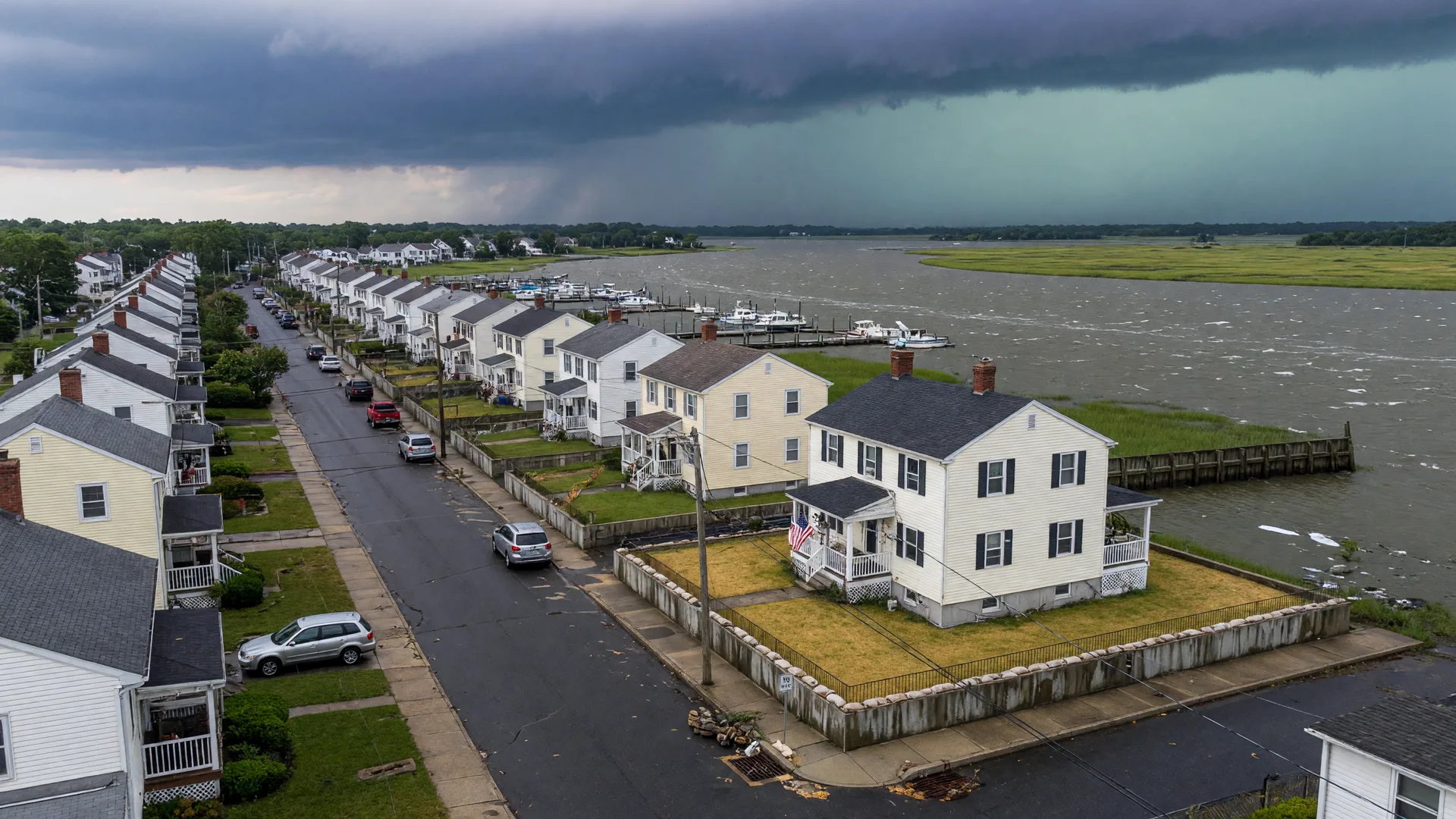
Flood insurance is one of the most important and often misunderstood costs of buying a waterfront home in South Jersey. Whether you are looking at a historic Victorian on the Delaware River in Riverton or a creek-side cottage in Delran, understanding flood zones, insurance requirements, and coverage options will save you from unwelcome surprises at the closing table.
After helping more than 728 families buy and sell homes across Burlington County over 20 years, I have guided many waterfront buyers through the flood insurance process. The system is not always intuitive, but with the right information and the right team, you can navigate it confidently. This guide covers FEMA flood zones, the National Flood Insurance Program (NFIP), private insurance alternatives, typical costs, and practical tips for waterfront buyers in New Jersey.
How Do FEMA Flood Zones Affect Waterfront Properties?
The Federal Emergency Management Agency (FEMA) maps flood zones across the country to identify areas at risk of flooding. These maps, known as Flood Insurance Rate Maps (FIRMs), are the basis for flood insurance requirements and rates. Understanding the flood zone designation of a waterfront property is the first step in budgeting for your purchase.
The most common flood zone designations for waterfront properties in Burlington County include:
- Zone AE (Special Flood Hazard Area, SFHA): Areas with a 1% annual chance of flooding, also known as the 100-year floodplain. Base Flood Elevations (BFEs) are established for these zones. Flood insurance is required for properties with federally backed mortgages.
- Zone A (Special Flood Hazard Area): Similar to AE but without detailed BFE studies. Insurance is still required. Rates may be higher because the elevation information is less precise.
- Zone VE (Coastal High Hazard Area): Coastal areas subject to storm surge and wave action. These zones have the highest insurance rates and the strictest building requirements. Less common in Burlington County but relevant on the Delaware Bay.
- Zone X (Moderate to Low Risk): Areas outside the 1% annual flood risk zone but still at risk from heavy rainfall and localized flooding. Insurance is not required but is strongly recommended.
Many waterfront properties in Burlington County river towns are in Zone AE. The Delaware River floodplain extends well inland in some areas, especially around tributaries like the Rancocas Creek. Even properties that do not sit directly on the water can fall into a flood zone if they are within the mapped floodplain.
For a broader overview of what to expect when buying a waterfront home, see my Waterfront Homes in South Jersey guide.
What Is the National Flood Insurance Program (NFIP)?
The National Flood Insurance Program is administered by FEMA and provides flood insurance to property owners in participating communities. Most Burlington County communities participate in the NFIP, which means residents are eligible to purchase NFIP flood insurance policies.
NFIP policies cover up to $250,000 in building coverage and up to $100,000 in contents coverage. Building coverage includes the structure's foundation, electrical and plumbing systems, HVAC equipment, built-in appliances, and permanently installed carpeting. Contents coverage includes furniture, clothing, electronics, and other personal items.
Key features of NFIP policies include:
- 30-day waiting period: Most NFIP policies do not take effect until 30 days after purchase. This is critical for buyers who need coverage at closing. Order your policy as soon as you have a signed purchase agreement.
- No coverage for finished basements: NFIP policies do not cover finished basement contents or improvements below the lowest elevated floor. Basement items like furniture, electronics, and drywall are excluded.
- Replacement cost vs actual cash value: Building coverage is paid on a replacement cost basis, but contents coverage is paid on an actual cash value basis, meaning depreciation is deducted from your claim payment.
- $10,000 basement contents coverage: A limited amount of coverage is available for items in the basement, like a washer, dryer, and freezer, but this must be specifically purchased.
NFIP vs Private Flood Insurance: Which Is Better?
Private flood insurance has become a viable alternative to NFIP policies in recent years. The private market offers several advantages, but it also has some tradeoffs. Here is how they compare:
| Feature | NFIP | Private |
|---|---|---|
| Building coverage limit | $250,000 | Up to $5 million or more |
| Contents coverage limit | $100,000 | Higher limits available |
| Waiting period | 30 days | As short as 1-14 days |
| Contents valuation | Actual cash value | Replacement cost available |
| Basement coverage | Limited | More comprehensive options |
| Cost for low-risk | Moderate | Often lower |
| Cost for high-risk | Standardized | Risk-based, can be lower |
| Stability | Government-backed, stable | Market-based, can change |
For many waterfront properties in Burlington County, the best strategy is to get quotes from both NFIP and private insurers and compare. I have seen private policies save homeowners hundreds of dollars per year on high-value waterfront properties, especially those with elevation certificates showing the home sits well above the Base Flood Elevation.
How Much Does Flood Insurance Cost for Waterfront Homes in South Jersey?
Flood insurance costs vary based on several factors: flood zone designation, elevation of the lowest floor relative to the Base Flood Elevation, coverage amounts, deductible, and whether the policy is through NFIP or a private insurer. Here are typical annual premium ranges for waterfront properties in Burlington County:
- Low-risk waterfront (Zone X, elevated structure): $500 to $900 per year for a Preferred Risk Policy through NFIP covering building and contents.
- Moderate-risk waterfront (Zone AE, favorable elevation): $900 to $1,800 per year. Properties with an elevation certificate showing the lowest floor is above the BFE pay less.
- High-risk waterfront (Zone AE, at or below BFE): $1,800 to $4,000+ per year. Older homes built before modern floodplain regulations often pay the highest rates.
- Private flood insurance: $600 to $3,000 per year for comparable coverage, depending on risk assessment and coverage limits.
The single most important factor in determining your flood insurance cost is your elevation certificate. This document, prepared by a licensed surveyor, shows the elevation of your home's lowest floor relative to the Base Flood Elevation. If your home is well above the BFE, your rates will be substantially lower. If it is at or below the BFE, you will pay the highest rates.
For more general information on flood insurance across South Jersey, see my Flood Insurance in South Jersey guide.
What Steps Should Waterfront Buyers Take?
If you are buying a waterfront home in South Jersey, here is the step-by-step process I recommend to every client:
- Check the flood zone before you make an offer. Your agent can look up the FEMA flood map designation for any property. Knowing the flood zone upfront helps you estimate insurance costs and avoid surprises.
- Request an elevation certificate. The seller may already have one. If not, ask if one is available or factor the cost of getting one into your due diligence budget.
- Get actual insurance quotes. Do not rely on estimates. Contact an insurance agent who specializes in flood coverage and get real quotes for both NFIP and private policies before you go under contract.
- Order your policy early. As soon as you have a signed purchase agreement, order your flood insurance policy. The 30-day waiting period on NFIP policies means you cannot wait until the week of closing.
- Consider a Letter of Map Amendment (LOMA). If the property is incorrectly mapped into a high-risk flood zone, your surveyor can prepare a LOMA request to FEMA. If approved, the property may be removed from the SFHA, eliminating the flood insurance requirement.
What Is Not Covered by Flood Insurance?
Understanding what flood insurance does not cover is just as important as knowing what it covers. Here are the most common exclusions:
- Basement contents and improvements: NFIP policies do not cover finished basements, including drywall, flooring, furniture, electronics, and personal belongings stored in the basement.
- Outdoor property: Seawalls, docks, decks, patios, fences, landscaping, and septic systems are not covered by NFIP policies.
- Moisture and mold: Damage caused by moisture, mildew, or mold that could have been prevented by the homeowner is generally not covered.
- Temporary housing: NFIP policies do not cover additional living expenses if you are displaced from your home during repairs.
- Business interruption: Loss of business income or extra expenses related to operating a business from your home is not covered.
Private flood insurance policies may offer some of these coverages, so it is worth comparing options carefully.
Frequently Asked Questions About Flood Insurance for Waterfront Homes
Is flood insurance always required for waterfront homes?
Not always. If the property is outside a FEMA-designated Special Flood Hazard Area (SFHA), your lender will not require flood insurance. However, many waterfront properties are in SFHAs, and even those that are not face higher flood risk than inland properties. Buying a policy is strongly recommended regardless of the requirement.
Can waterfront homeowners get a LOMA to remove the flood insurance requirement?
Yes. If your property is incorrectly mapped into an SFHA, a licensed surveyor can prepare a Letter of Map Amendment (LOMA) request to FEMA. If approved, the property is removed from the SFHA and the flood insurance requirement is eliminated. The process takes several months and costs several hundred dollars for the survey, but it can save thousands in annual premiums.
How does the Community Rating System affect flood insurance costs?
The Community Rating System (CRS) is a voluntary program that rewards communities for implementing floodplain management practices that exceed minimum NFIP requirements. Participating communities earn discounts of 5% to 45% on NFIP premiums. Some Burlington County communities participate in CRS, which can significantly reduce costs for waterfront homeowners.
Does flood insurance cover seawall or dock damage?
No. Standard NFIP flood insurance policies do not cover seawalls, bulkheads, docks, or other outdoor structures. Private flood insurance may offer limited coverage for some outdoor structures, but these features typically require separate maintenance and replacement planning by the homeowner.
Can I transfer the seller's existing flood insurance policy?
NFIP policies are not transferable to new owners. The buyer must purchase a new policy. However, if you are buying a property with an existing elevation certificate, that document can be transferred to you and used to obtain accurate quotes. Always ask the seller for any existing elevation documentation.
How does flood insurance affect resale value?
A property in a high-risk flood zone with high insurance costs can be harder to sell. Buyers factor the annual flood insurance premium into their housing budget. Properties with elevation certificates showing favorable elevations, or those in communities with strong CRS discounts, are easier to market and sell.
Know Your Flood Risk Before You Buy
Flood insurance is not something to figure out at the closing table. It is one of the first things you should investigate when you start looking at waterfront homes. The flood zone designation, elevation certificate, and insurance quotes will directly affect your monthly housing costs and your long-term satisfaction with the property.
I have helped dozens of families navigate flood insurance requirements for waterfront homes from Riverton to Beverly and every river town in between. I work with trusted insurance professionals who specialize in flood coverage and can give you accurate quotes before you make an offer.
My goal is to make sure there are no surprises. Let us talk through your waterfront home search and make sure you have all the information you need to make a confident decision.

Bob Millaway
Epique Realty Agent · AI Certified Agent · 728+ homes sold across Burlington County and South Jersey. Licensed NJ Salesperson #791082. I help waterfront buyers navigate flood insurance, elevation certificates, and the unique due diligence waterfront properties require.