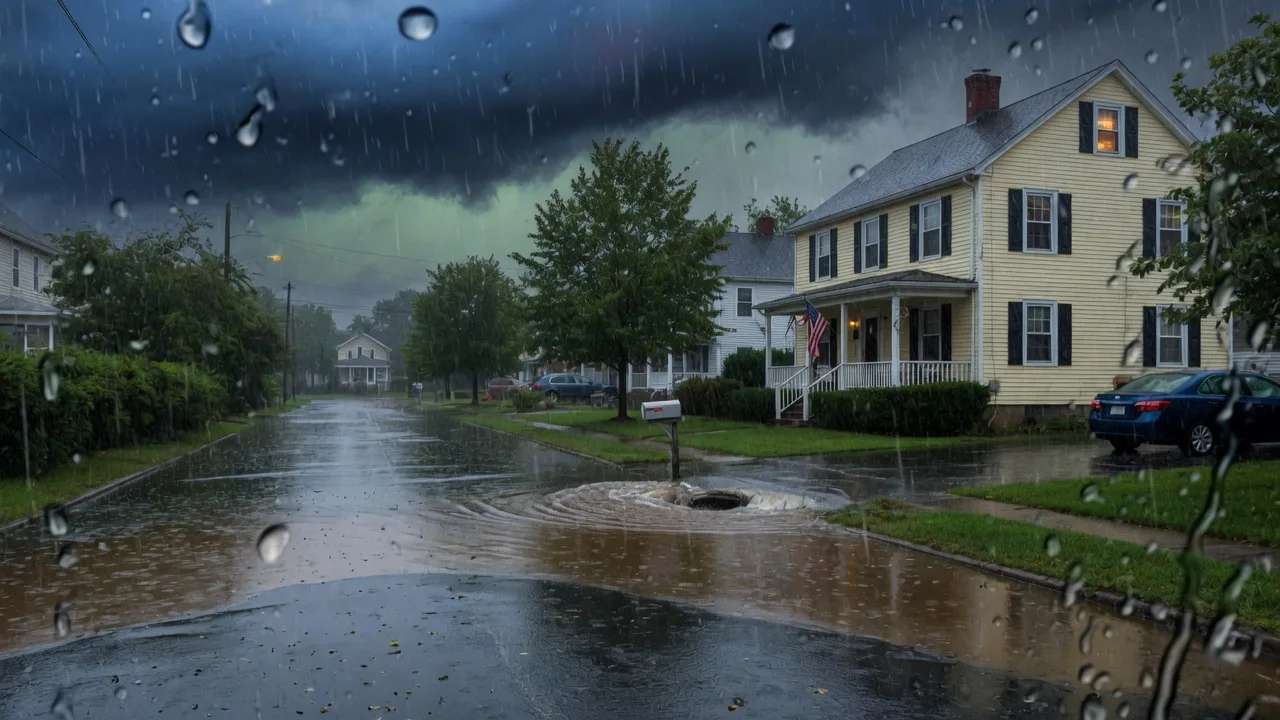
Flood insurance is one of the most misunderstood and overlooked aspects of buying a home in South Jersey. Many buyers assume they do not need it because their property is not in a designated flood zone. Others are shocked at closing to discover that their lender requires it, adding hundreds or even thousands of dollars to their annual housing costs.
After helping more than 728 families buy and sell homes across Burlington County, I have seen both scenarios play out. The key is knowing what you are dealing with before you make an offer, not after you are under contract. This guide covers everything you need to know about flood insurance in South Jersey.
What Is Flood Insurance and Why Does It Matter?
Flood insurance is a separate policy from your standard homeowners insurance. Standard homeowners policies explicitly exclude damage from flooding, which is defined by the National Flood Insurance Program (NFIP) as "a general and temporary condition of partial or complete inundation of two or more acres of normally dry land area or of two or more properties."
In plain English: if water rises from the ground and enters your home, that is a flood. If a pipe bursts inside your wall, that is not a flood. The distinction matters because your standard policy covers the burst pipe but not the rising water.
Flood insurance covers both the structure of your home (building coverage) and your personal belongings (contents coverage). Building coverage includes the foundation, electrical and plumbing systems, HVAC equipment, built-in appliances, and permanently installed carpeting. Contents coverage includes furniture, clothing, electronics, and other personal items.
Which Parts of South Jersey Are at Risk?
Flood risk in South Jersey is not limited to beachfront properties. Many Burlington County communities are at risk because of their proximity to the Delaware River, Rancocas Creek, and other waterways. Here are the areas where flood risk is most significant:
- Delaware River communities: Towns like Burlington City, Riverside, Delran, Riverton, Palmyra, Florence, and Bordentown have areas along the Delaware River that can flood during heavy rain events or when the river rises. The 2004 and 2006 floods caused significant damage in these communities.
- Rancocas Creek watershed: Areas near Rancocas Creek in Mount Holly, Westampton, Hainesport, Lumberton, and Southampton can experience flooding when the creek overflows its banks after prolonged rain.
- Coastal areas: While this guide focuses on Burlington County, buyers looking at Ocean County or Atlantic County communities face additional flood risk from coastal storms and storm surge.
- Urban flooding: Even inland communities with poor drainage or aging stormwater infrastructure can experience flash flooding during heavy downpours. This is a growing concern as climate change brings more intense rainfall events.
The best way to determine your specific flood risk is to check the FEMA Flood Insurance Rate Maps (FIRMs) for the property. These maps designate Special Flood Hazard Areas (SFHAs), which are zones with a 1% annual chance of flooding (also known as the 100-year floodplain). If your property is in an SFHA and you have a federally backed mortgage, flood insurance is required.
How Much Does Flood Insurance Cost?
Flood insurance costs vary widely depending on your property's flood zone, elevation, coverage amount, and deductible. Through the NFIP, the maximum building coverage is $250,000, and maximum contents coverage is $100,000. For homes valued above these limits, private flood insurance is available.
Here are typical annual premium ranges for South Jersey properties:
- Low-risk zones (X, C): Preferred Risk Policies start as low as $500 to $700 per year for building and contents coverage.
- Moderate-risk zones (B, X500): Premiums typically range from $700 to $1,500 per year.
- High-risk zones (A, AE, V, VE): Premiums can range from $1,500 to $5,000 or more per year, depending on the property's elevation relative to the Base Flood Elevation (BFE).
Properties with a lower elevation relative to the BFE pay more. Properties that have been elevated or have flood mitigation measures in place may qualify for lower rates. The NFIP also offers a Community Rating System (CRS) discount for communities that implement floodplain management practices. Some Burlington County communities participate in CRS, which can reduce premiums by 5% to 45%.
Do I Need Flood Insurance Even If I Am Not in a Flood Zone?
This is one of the most common questions I hear. The short answer is: you may not be required to buy it, but you should strongly consider it.
About 25% of all flood insurance claims come from properties outside designated high-risk flood zones. Heavy rain, overwhelmed drainage systems, and flash flooding can damage any home, regardless of its FEMA zone designation. A single inch of water in a home can cause $25,000 or more in damage.
If you are financing a home outside a high-risk zone, your lender will likely not require flood insurance. But the decision to buy it then becomes yours. For a few hundred dollars a year, a Preferred Risk Policy can give you peace of mind and protect your home from an event that could otherwise cost you tens of thousands of dollars.
I have seen buyers in inland Burlington County towns like Medford, Mount Laurel, and Moorestown deal with flooded basements and water damage from extreme rain events. It does not take a river overflowing to cause a flood problem.
What Is the 30-Day Waiting Period?
This is a critical detail that catches many buyers off guard. Most NFIP flood insurance policies have a 30-day waiting period before they take effect. This means you cannot buy a flood insurance policy at closing and have it go into effect the same day.
If you are buying a home in a flood zone, you need to order your flood insurance policy as soon as you have a signed purchase agreement. Do not wait until the week of closing. Your real estate agent and lender should coordinate with you to make sure the policy is in place before the closing date.
There is an exception: if flood insurance is required as a result of a lender's flood zone determination made during the loan process, the 30-day waiting period is waived for the first policy. But this exception has specific requirements, and you should not rely on it. The safest approach is to order your policy early.
How Do You Get Flood Insurance?
You can purchase flood insurance through the same agent who writes your homeowners insurance. Most major insurers offer NFIP policies, and some also offer private flood insurance. Here is the process:
- Check your flood zone: Your lender will order a flood zone determination as part of the loan process. You can also check FEMA's Flood Map Service Center yourself using the property address.
- Get a quote: Contact your insurance agent or a flood insurance specialist. They will need the property address, elevation certificate (if available), and the amount of coverage you want.
- Compare NFIP vs private: Private flood insurance can offer higher coverage limits, lower rates for low-risk properties, and shorter waiting periods. Compare options to see which is best for your situation.
- Order early: Remember the 30-day waiting period. Order your policy as soon as you have a ratified contract.
- Provide proof to your lender: Your lender will need a copy of the policy declarations page or a flood insurance binder before closing.
What If the Flood Zone Determination Is Wrong?
Flood zone determinations are not always accurate. FEMA maps can be outdated, and properties can be incorrectly mapped into high-risk zones. If you believe your property is incorrectly designated, you can request a Letter of Map Amendment (LOMA) from FEMA.
A LOMA requires a licensed surveyor to provide an elevation certificate showing that the property's lowest floor is above the Base Flood Elevation. If approved, FEMA will issue a letter removing the property from the SFHA, which can eliminate the flood insurance requirement.
The process takes several months and costs several hundred dollars for the survey, but it can save you thousands in annual premiums if successful. I have worked with buyers in Burlington City and Riverside who successfully obtained LOMAs and removed their flood insurance requirements.
Frequently Asked Questions
Is flood insurance required in South Jersey?
Flood insurance is required if your property is in a FEMA-designated Special Flood Hazard Area (SFHA) and you have a federally backed mortgage. If you are outside an SFHA, your lender will not require it, but buying it is still recommended.
How much does flood insurance cost in Burlington County?
Costs vary widely. Low-risk properties can get coverage for $500 to $700 per year. High-risk properties can pay $1,500 to $5,000 or more. The exact cost depends on flood zone, elevation, coverage amount, and deductible.
Does homeowners insurance cover flood damage?
No. Standard homeowners insurance policies explicitly exclude flood damage. You need a separate flood insurance policy through the NFIP or a private insurer to cover damage from rising water.
Can I buy flood insurance if I rent?
Yes. Renters can buy contents-only flood insurance to protect their personal belongings. The building coverage is the responsibility of the property owner. Contents coverage is relatively inexpensive, often starting around $100 to $150 per year.
What is the difference between NFIP and private flood insurance?
NFIP policies are backed by the federal government, have a 30-day waiting period, and cap building coverage at $250,000 and contents at $100,000. Private flood insurance is offered by private insurers, can have shorter waiting periods, higher coverage limits, and sometimes lower rates for low-risk properties. Both meet the lender's flood insurance requirement.
Know Your Flood Risk Before You Buy
Flood insurance is not something you want to think about on the day of closing. It is something you should understand before you make an offer. Knowing whether a property is in a flood zone, what the insurance will cost, and how to handle the 30-day waiting period will save you stress, time, and money.
As your Epique Realty Agent, I will help you identify flood risk early in the process and connect you with trusted insurance professionals who can give you accurate quotes. My goal is to make sure there are no surprises at the closing table.

Bob Millaway
Epique Realty Agent · AI Certified Agent · 728+ homes sold across Burlington County and South Jersey. Licensed NJ Salesperson #791082.