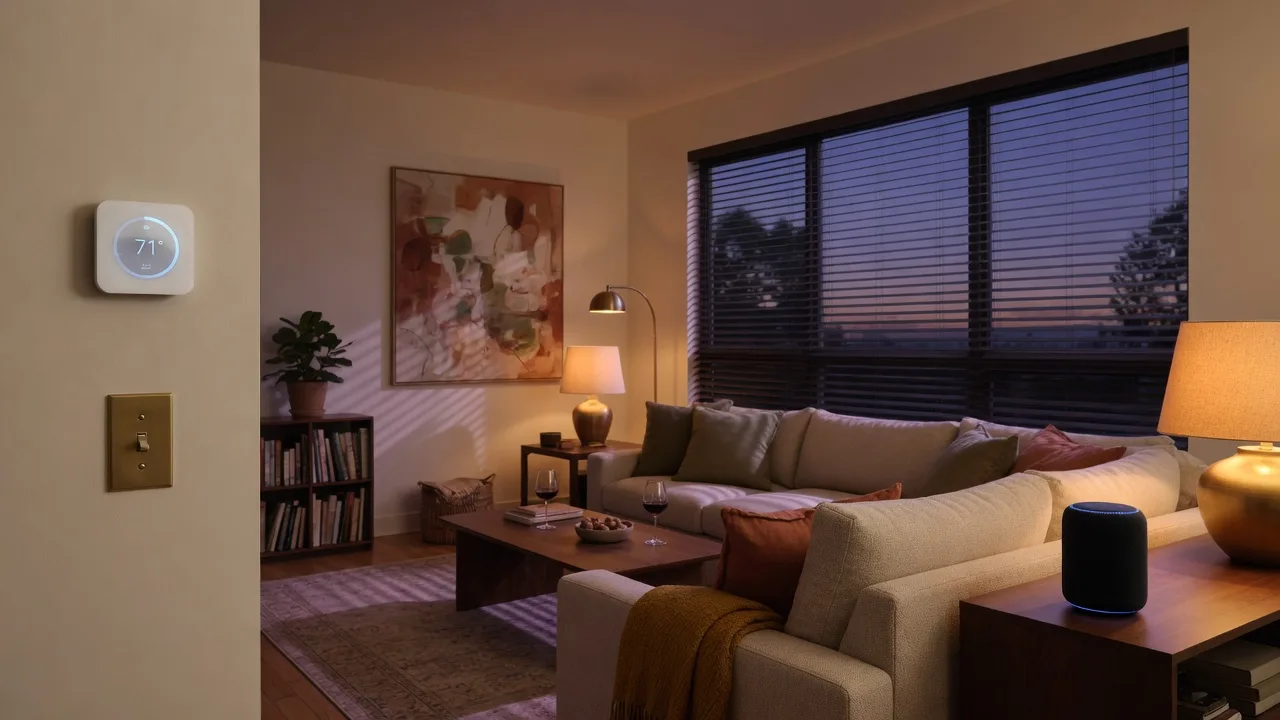
Smart home technology has moved from a novelty to a mainstream expectation for many home buyers. From smart thermostats that learn your schedule to security cameras you can monitor from anywhere, these features are no longer just cool gadgets. They can genuinely affect how much your home is worth and how quickly it sells.
As an Epique Realty Agent serving Burlington County and South Jersey, I have seen the growing impact of smart home features on buyer preferences and home values. Here is what every homeowner should know about the relationship between smart home technology and property value.
Does Smart Home Technology Increase Home Value?
The short answer is yes, but with important caveats. Smart home features can increase your home's value, but the return on investment depends on the specific technology, how well it is integrated, and what buyers in your market are looking for.
Studies have shown that homes with smart home features can sell for a premium compared to comparable homes without them. However, the premium is not uniform across all features. Some smart home upgrades deliver a clear return, while others are more about convenience and lifestyle appeal.
The key is choosing the right upgrades and ensuring they are installed properly. A poorly integrated smart home system can actually be a turnoff to buyers who see it as a maintenance headache.
Which Smart Home Features Add the Most Value?
Not all smart home features are created equal. Here are the ones that consistently deliver the best return:
Smart Thermostats
Smart thermostats like Nest, Ecobee, and Honeywell are among the most cost-effective smart home upgrades. They cost between $150 and $300, are easy to install, and offer clear energy savings that appeal to buyers. A smart thermostat signals to buyers that the home is energy-efficient and modern.
Buyers recognize the value of a programmable thermostat that learns their schedule, adjusts temperatures automatically, and can be controlled from their phone. It is a small investment that adds a tangible selling point.
Smart Security Systems
Smart security systems, including doorbell cameras, motion sensors, and smart locks, have become highly desirable. Ring, Nest, and SimpliSafe systems are familiar brands that buyers trust. A professionally installed system can be a strong selling point, especially for families and anyone concerned about safety.
Smart locks that allow keyless entry, temporary codes for guests or service providers, and remote locking and unlocking are particularly appealing to buyers who value convenience and security.
Smart Lighting
Smart lighting systems that can be controlled by voice, smartphone, or automation add convenience and energy efficiency. Features like motion-activated lights, scheduled dimming, and remote control are attractive to buyers. They also enhance curb appeal when exterior lighting is automated.
Smart Smoke and Carbon Monoxide Detectors
These are a relatively low-cost upgrade that adds safety and peace of mind. Smart detectors can send alerts to your phone when they detect smoke or carbon monoxide, even when you are away from home. Buyers appreciate the added safety layer.
Smart Appliances
Smart refrigerators, ovens, dishwashers, and washers and dryers are increasingly common in newer homes. While they are a significant investment, they can add value, especially in higher-end homes where buyers expect modern, connected appliances. However, the return on investment varies, and they are often more about lifestyle appeal than a direct value increase.
What Smart Home Features Do South Jersey Buyers Want?
In the South Jersey market, buyer preferences for smart home technology tend to focus on practical, everyday benefits. Here is what I hear most often from buyers:
- Energy efficiency: Smart thermostats and lighting are highly valued because they save money on utility bills. In a region with hot summers and cold winters, this practical benefit resonates strongly.
- Security: Doorbell cameras and smart locks are popular, especially among families and buyers who travel frequently. The ability to monitor their home from anywhere provides genuine peace of mind.
- Convenience: Voice-controlled assistants, automated blinds, and smart garage door openers are seen as nice-to-have features that make daily life easier.
- Whole-home systems: In higher-end homes, integrated systems that control lighting, climate, security, and entertainment from a single platform are increasingly expected.
How Much Value Does Smart Home Technology Add?
The value added by smart home technology depends on several factors, but here are some general benchmarks based on market data:
- A smart thermostat can add $100 to $300 to your home's perceived value, with a return on investment of 100 percent or more given the low cost.
- A smart security system with doorbell camera and smart locks can add $500 to $1,500 to the value, depending on the system quality and integration.
- A full smart home package (thermostat, lighting, security, and smart appliances) can add 2 to 5 percent to the sale price in the right market, but the return depends on the quality of installation and the buyer demographic.
It is important to note that smart home features are often more valuable as a marketing differentiator than as a direct dollar-for-dollar value add. They make your home stand out from comparable listings, attract more showings, and can help your home sell faster.
Should You Add Smart Home Features Before Selling?
It depends on your timeline, budget, and the condition of your home. Here are some considerations:
- If your home is already well-maintained: Adding a few smart home features can help differentiate your listing from the competition. A smart thermostat and doorbell camera are relatively inexpensive upgrades that can make a strong first impression.
- If your home needs more significant updates: Focus on the big-ticket items first. A renovated kitchen or updated bathroom will have a greater impact on value than smart home features. Add smart technology as a complement, not a replacement for necessary improvements.
- If you are selling a luxury home: Smart home technology is increasingly expected in the luxury segment. A professionally installed whole-home automation system can be a significant selling point.
- If you are not sure: I can help you assess which upgrades make sense for your specific home and market. A free consultation costs nothing and can save you from investing in features that will not pay off.
Can Smart Home Technology Hurt Your Home Value?
In rare cases, yes. Here is when smart home features can be a negative:
- Outdated or incompatible systems: A smart home system that requires a specific hub or subscription that is no longer supported can be seen as a liability rather than an asset.
- Overly complex systems: If the system is difficult to use or requires extensive training, buyers may view it as a hassle rather than a benefit.
- Privacy concerns: Some buyers are uncomfortable with smart home technology due to privacy concerns, especially around cameras and voice assistants. Make sure any smart features can be easily disabled or reset by the new owner.
- Poor installation: A poorly installed smart system with visible wires, unreliable connections, or compatibility issues can detract from the home's value.
The key is to choose reliable, well-known brands and ensure professional installation. When done right, smart home technology is a clear positive.
Frequently Asked Questions
Do I need to disclose smart home features when selling?
Should I take my smart devices with me when I move?
What is the cheapest smart home upgrade that adds value?
Do smart home features help sell a home faster?
Can I add smart home features after buying a home?
Want to Know What Your Home Is Worth?
Whether you have smart home features or not, the most important step is understanding your home's current market value. I offer a free, no-obligation home valuation that combines AI-powered data with my local market expertise.
Contact Bob or schedule a call to get started.

Bob Millaway
Epique Realty Agent · AI Certified Agent™ · 728+ homes sold. I combine AI technology with deep local knowledge of Burlington County and South Jersey to help clients make confident, data-driven decisions.
Contact Bob