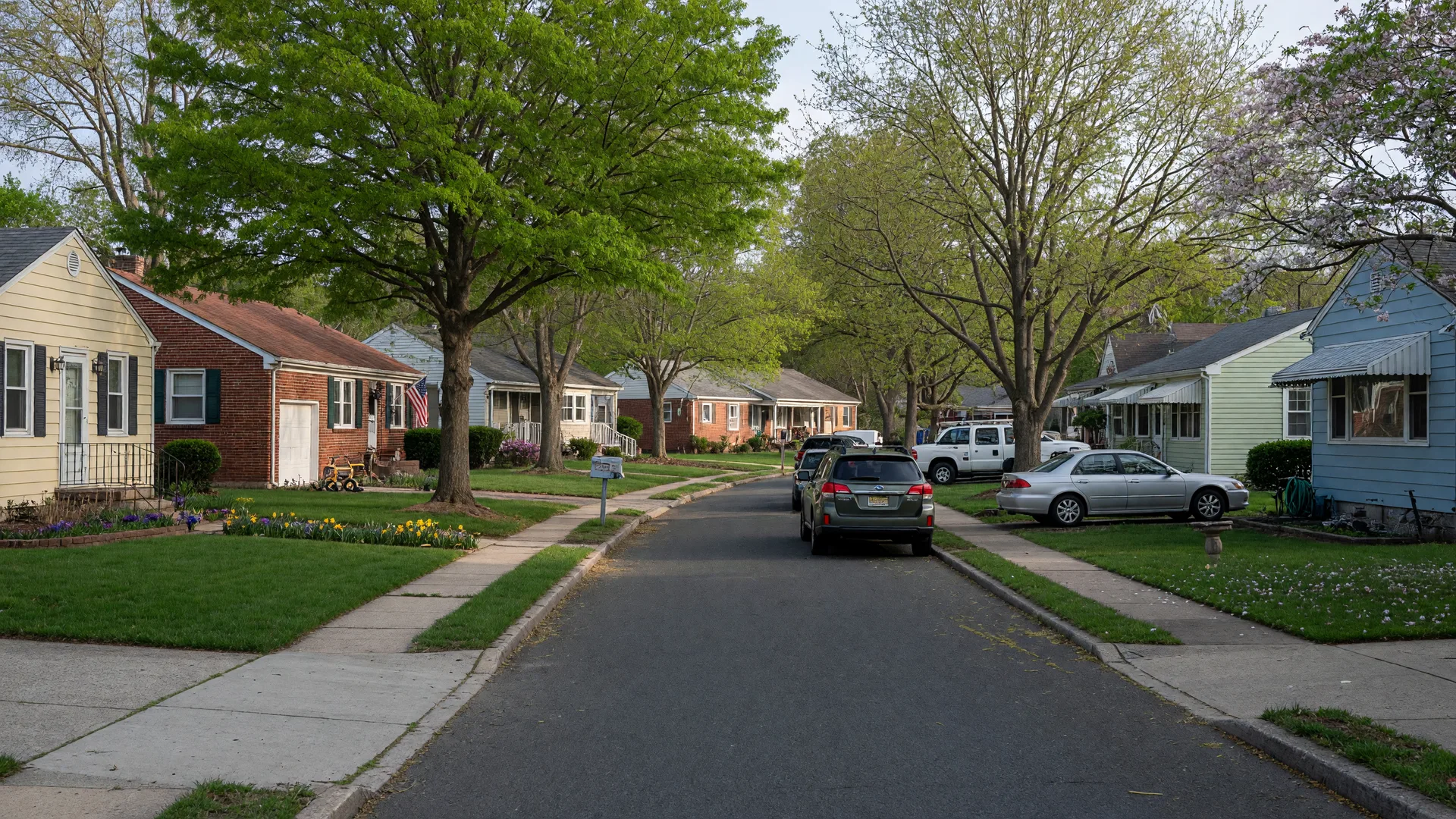
Property taxes and home values in South Jersey have a complex, two-way relationship. Higher property taxes do not necessarily mean lower home values. In fact, the towns with the highest property tax bills in Burlington County, like Moorestown and Medford, also have the highest home values. The key is understanding what your tax dollars buy and how the market prices in the tax burden.
For buyers and sellers in South Jersey, understanding the relationship between property taxes and home values is essential for making smart decisions. Whether you are trying to price your home to sell, deciding how much to offer on a property, or evaluating the long-term investment potential of a town, property taxes are a central factor.
With over 20 years of experience in the Burlington County market, I have seen how property taxes shape buyer behavior, influence pricing, and affect long-term returns. This guide explains the dynamics and what they mean for you.
2.4-2.8%
Burlington County Effective Rate
1.0%
National Avg Effective Rate
$350K-787K
Home Price Range (Burlington Co.)
728+
Homes Sold by Bob
Do Higher Property Taxes Lower Home Values?
This is the most common question I hear from buyers, and the answer is more nuanced than you might expect. Here is what the data shows:
In South Jersey, higher-tax towns tend to have higher home values, not lower. Moorestown, Medford, and Haddonfield all have high property tax bills, yet they consistently rank among the most desirable and expensive towns in the region. This is because the taxes fund excellent schools, well-maintained infrastructure, and a high quality of life that buyers are willing to pay for.
The capitalization effect. In theory, higher property taxes should reduce home values because buyers discount the future cost of taxes into the purchase price. This is called tax capitalization. In practice, the effect is strongest when two towns are otherwise similar. If Town A has a 2.5% tax rate and Town B has a 2.7% rate with identical schools and services, buyers will pay more in Town A.
What actually happens. In South Jersey, the towns with the highest tax rates are also the towns with the best schools, the lowest crime rates, and the most desirable neighborhoods. The quality-of-life benefits outweigh the tax cost for most buyers. The result is that high-tax towns command premium prices.
How Do Property Taxes Influence Buyer Behavior?
Property taxes affect buyer behavior in several distinct ways. Understanding these patterns can help both buyers and sellers navigate the market:
- Monthly payment focus. Most buyers think in terms of monthly payment, not total purchase price. A home with $12,000 in annual property taxes adds $1,000 per month to the housing payment. This reduces the buyer's purchasing power and can push them toward lower-priced homes or lower-tax towns.
- Budget shock for out-of-state buyers. Buyers relocating from states with low property taxes (like Texas, Florida, or the Carolinas) are often shocked by New Jersey's tax rates. This can lead to sticker shock and a reassessment of their budget. It is important to educate out-of-state buyers about what the taxes fund and how they compare to the total cost of living in their previous state.
- Tax rate sensitivity. Buyers who are comparing two similar homes in different towns will strongly favor the town with the lower tax rate. This is where the capitalization effect is most visible. Two identical homes on opposite sides of a town line can have meaningfully different values due to the tax difference.
- School district prioritization. Buyers with school-age children are often willing to pay a premium for a top-rated school district, even if it means higher property taxes. The trade-off of higher taxes for better schools is one of the most consistent patterns in the South Jersey market.
How Do Property Taxes Affect Home Values When Selling?
If you are selling your home, property taxes directly affect your pricing strategy and buyer pool. Here is what you need to know:
- Pricing impact. Homes with above-average property taxes for their neighborhood may need to be priced slightly lower to compensate. Conversely, homes with below-average taxes (perhaps due to a successful tax appeal or a favorable assessment) can command a premium.
- Buyer pool size. Higher property taxes reduce the pool of buyers who can comfortably afford the monthly payment. A home with $15,000 in annual taxes requires a buyer with approximately $1,250 per month in tax capacity. This effectively prices out buyers with tighter budgets.
- Days on market. Homes in high-tax towns that are priced at the top of the market tend to sit longer, especially if neighboring towns offer comparable quality at a lower tax rate. Proper pricing is essential to avoid a stale listing.
- Appraisal considerations. Appraisers consider property taxes when valuing a home. If a property has unusually high taxes compared to similar homes in the area, the appraiser may adjust the value downward. This can create challenges if the seller's asking price is based on comparable sales without accounting for the tax difference.
For more on pricing your home, see our guide on How to Price Your Home in South Jersey.
How Do Property Taxes Affect Long-Term Investment Returns?
For real estate investors, property taxes are a critical factor in calculating return on investment. Here is how they affect long-term returns in South Jersey:
- Cap rate compression. High property taxes reduce net operating income, which compresses cap rates. An investor comparing a property in Burlington County to one in a lower-tax state needs to account for the significant difference in tax expense.
- Appreciation vs cash flow. In high-tax towns like Moorestown and Medford, investors often accept lower current cash flow in exchange for stronger long-term appreciation. The tax burden is offset by the desirability of the location and the historical trend of above-average price growth.
- Tax escalation risk. Property taxes in New Jersey have historically increased faster than inflation. Investors need to factor in annual tax increases when projecting long-term returns. A 2-3% annual increase in property taxes can significantly impact a 10-year investment horizon.
- 1031 exchange considerations. When using a 1031 exchange to defer capital gains taxes, investors should consider the property tax implications of the replacement property. Swapping into a property with higher taxes can reduce the cash flow benefit of the exchange.
For more on investing in South Jersey, see our Investment Properties Guide.
How to Evaluate Property Taxes When Buying a Home
When you are evaluating a home purchase, here is how to factor property taxes into your decision:
- Calculate the total monthly cost. Add the monthly property tax payment to your mortgage principal, interest, and insurance. This is your true monthly housing cost, and it is the number that matters for your budget.
- Compare the tax rate to the town average. A property with taxes significantly above the town average for its price point may be over-assessed. This could be an opportunity to file a tax appeal after closing.
- Consider the trend. Look at how property taxes have changed in the town over the past 5-10 years. Consistent above-inflation increases may affect your long-term affordability.
- Factor in the tax deduction. If you itemize your deductions, the SALT deduction reduces the effective cost of your property taxes. A $10,000 tax bill costs approximately $7,600 after the federal tax benefit for a homeowner in the 24% bracket.
- Think about the resale market. Consider how the property's tax burden will affect its resale value. A home with taxes that are reasonable for its town and price range will be easier to sell than one with an unusually high tax bill.
How Burlington County Towns Compare
Here is how the relationship between taxes and home values plays out across Burlington County's major towns:
- Moorestown. Highest home values and highest tax bills. The premium is justified by top-rated schools, a charming downtown, and strong community amenities. Buyers here are paying for quality of life.
- Medford. High home values with moderately high taxes. The combination of excellent schools, larger lots, and a rural-suburban feel makes Medford a strong value proposition for families.
- Mount Laurel. Strong home values with below-average tax rates for the county. The commercial tax base from office parks and retail helps keep residential rates competitive. Mount Laurel offers excellent value for buyers.
- Marlton (Evesham). Good home values with moderate tax rates. The wide range of housing options and strong commercial base make Marlton a popular choice for families at various price points.
- Cinnaminson. Solid home values with moderate tax rates. The Delaware River location and strong schools provide good value for buyers seeking a commuter-friendly community.
- Lumberton. Affordable home values with below-average tax rates. Lumberton offers some of the best value in Burlington County, with good schools and a quiet, family-friendly atmosphere.
For a detailed comparison, see our guide on Property Taxes by Town: South Jersey Tax Rate Comparison.
Frequently Asked Questions
Do high property taxes mean lower home values in South Jersey?
Not necessarily. In South Jersey, the towns with the highest property taxes, like Moorestown and Medford, also have the highest home values. The taxes fund excellent schools and services that buyers are willing to pay for.
How do property taxes affect my ability to buy a home?
Property taxes directly affect your monthly payment and how much you can borrow. Lenders include the tax payment in your debt-to-income ratio calculation. Higher taxes reduce your purchasing power.
Can property taxes affect the sale price of my home?
Yes. Homes with above-average property taxes for their neighborhood may need to be priced slightly lower to attract buyers. Homes with below-average taxes can command a premium. The tax burden is factored into every buyer's monthly payment calculation.
Do appraisers consider property taxes when valuing a home?
Yes, appraisers consider property taxes when determining a home's value. If a property has unusually high taxes compared to similar homes, the appraiser may adjust the value downward to account for the higher carrying cost.
Is it better to buy in a town with lower taxes?
It depends on your priorities. A town with lower taxes may offer better short-term affordability, but a town with higher taxes and better schools may provide stronger long-term appreciation and a better quality of life. The right choice depends on your personal situation and goals.
How do property taxes affect investment property returns?
High property taxes reduce net operating income and compress cap rates. Investors need to factor in annual tax increases when projecting long-term returns. However, strong appreciation in desirable towns can offset the tax burden.
Make Confident Decisions About Property Taxes and Home Values
Understanding the relationship between property taxes and home values is essential for making smart real estate decisions in South Jersey. I have helped hundreds of buyers and sellers navigate this complex dynamic. Whether you are trying to determine what you can afford, how to price your home, or where to invest, I can help you understand the full picture.

Bob Millaway
Epique Realty Agent and AI Certified Agent with over 20 years of experience helping buyers and sellers navigate the South Jersey real estate market. License: Salesperson · 791082 · NJ
About Bob