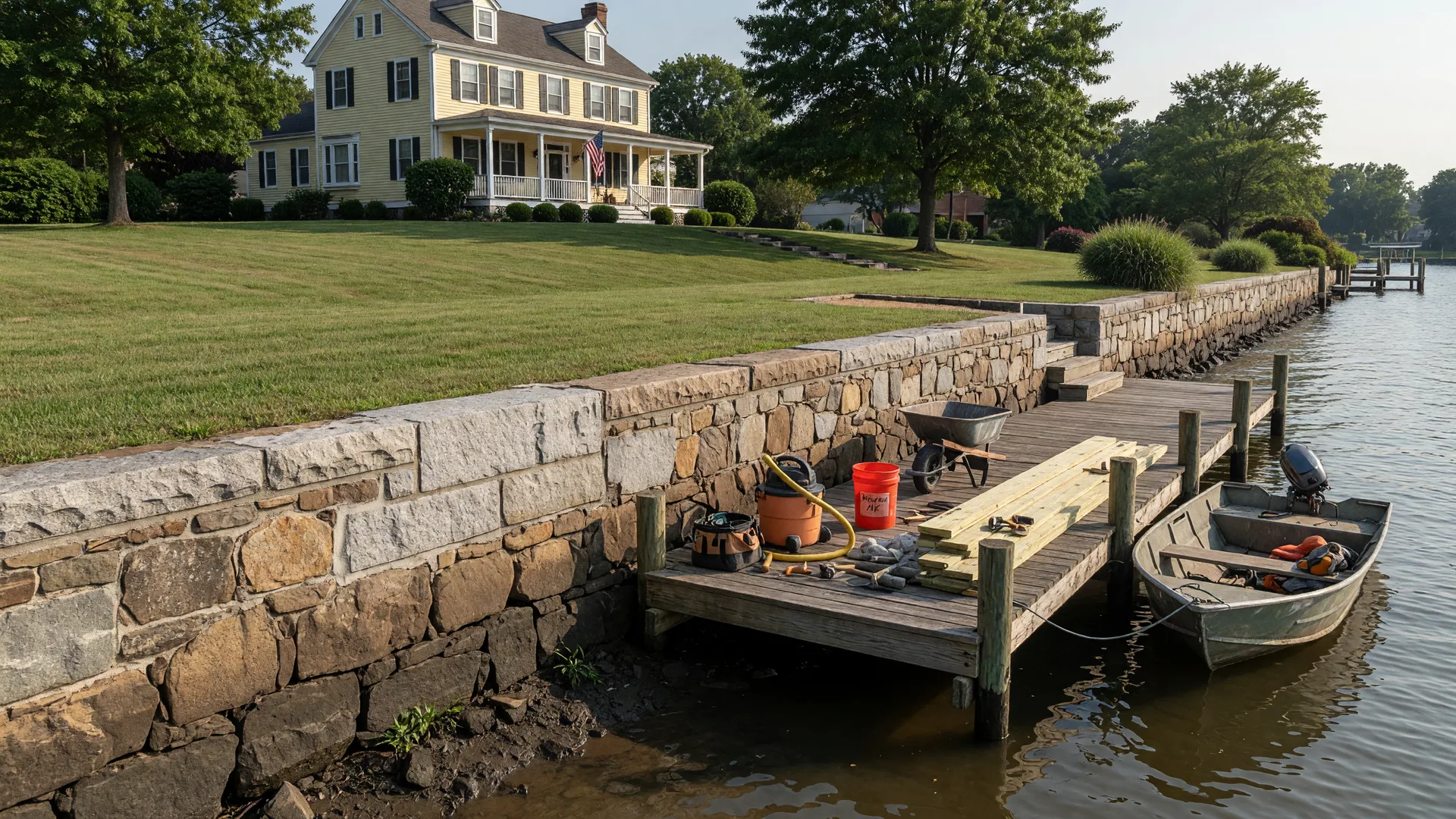
Waterfront homes in South Jersey offer a lifestyle that inland properties cannot match, but they also come with a unique set of maintenance responsibilities. Seawalls, docks, shoreline erosion, moisture management, and marine-grade materials are part of the package. Understanding what it takes to maintain a waterfront property is essential for anyone considering buying one and for current owners who want to protect their investment.
Over the past 20 years, I have helped more than 728 families buy and sell homes across Burlington County, including many waterfront properties along the Delaware River, Rancocas Creek, and South Jersey lakes. I have seen what happens when waterfront maintenance is neglected and what smart owners do to keep their properties in excellent condition. This guide covers everything you need to know about maintaining a waterfront home in South Jersey.
For a broader overview of what to expect as a waterfront owner, start with my Waterfront Homes in South Jersey guide.
Why Is Waterfront Maintenance Different?
Waterfront homes face environmental conditions that inland homes do not. The combination of moisture, tidal action, wind, and sun exposure creates a uniquely demanding environment for building materials and systems. Here are the key factors that make waterfront maintenance different:
- Higher humidity: Being near the water means higher ambient humidity year-round. This affects paint, wood, drywall, and HVAC systems. Dehumidification is not optional, it is essential.
- Salt exposure: Tidal water carries salt, which accelerates corrosion of metal components: fasteners, railings, HVAC coils, electrical connections, and vehicle parts stored near the water. Even freshwater tidal creeks have higher mineral content than inland environments.
- Wind and weather exposure: Waterfront properties are more exposed to wind, which drives rain against the house, accelerates paint wear, and can damage roofing and siding over time.
- Erosion and ground movement: Waterfront properties sit on land that is constantly shaped by water. Shoreline erosion, freeze-thaw cycles, and groundwater movement can affect foundations, retaining walls, and drainage systems.
- Organic growth: Moss, algae, mildew, and mold grow faster in waterfront environments. Siding, roofs, decks, and docks all need more frequent cleaning and treatment.
Seawalls, Bulkheads, and Shoreline Management
The most critical and potentially most expensive maintenance item for waterfront homes is the shoreline structure. Seawalls, bulkheads, and riprap protect your property from erosion and wave action. Understanding their condition and lifespan is essential.
Types of Shoreline Protection
- Bulkheads (vertical walls): Typically made of treated timber, steel sheet piling, vinyl, or concrete. They hold back soil and define the property line at the water's edge. Timber bulkheads typically last 15 to 25 years. Steel and vinyl can last 30 to 50 years. Replacing a bulkhead costs $20,000 to $60,000 or more depending on length, material, and access.
- Riprap (stone armoring): A slope of large stones placed along the shoreline to absorb wave energy and prevent erosion. Riprap is more natural-looking and can be more cost-effective than bulkheads, but it requires a wider setback and periodic replenishment. Costs range from $10,000 to $40,000 depending on the amount of stone needed.
- Vegetated shorelines (living shorelines): Increasingly popular and encouraged by NJDEP, living shorelines use native plants, root systems, and biodegradable materials to stabilize the bank. They are less expensive initially but require ongoing care and are not suitable for high-energy wave environments.
Inspection Checklist
If you own a waterfront home or are considering buying one, have a professional inspect these shoreline features annually and after major storms:
- Look for leaning, cracking, or bowing in bulkhead walls.
- Check for rot or insect damage at the top and bottom of timber bulkheads.
- Inspect tie-back rods and anchor points for corrosion or failure.
- Look for gaps behind the bulkhead where soil is washing through.
- Check riprap for displacement after storms. Stones that have moved need to be repositioned.
- Examine vegetation for erosion around root systems.
Dock and Pier Maintenance
A dock is one of the great joys of waterfront living, but it requires regular maintenance to stay safe and functional. Here is what to plan for:
Wooden Docks
Most South Jersey waterfront homes have wooden docks made of pressure-treated lumber. With proper maintenance, a wooden dock can last 15 to 25 years. Key maintenance tasks include:
- Annual inspection: Walk every board. Check for rot, splintering, loose nails or screws, and insect damage. Pay special attention to the deck boards where they contact the framing.
- Staining or sealing: Apply a marine-grade stain or sealant every 2 to 3 years to protect the wood from moisture and UV damage. The dock should be dry and clean before application.
- Hardware replacement: Use stainless steel or hot-dipped galvanized fasteners only. Regular steel corrodes quickly in waterfront environments. Replace any corroded hardware immediately.
- Pile inspection: The vertical posts (piles) that support the dock are critical. Check for rot at the waterline and at the point where they enter the mud. Tapping the pile with a hammer: a solid sound means the wood is sound; a dull thud may indicate internal rot.
Composite and PVC Docks
Composite decking is becoming more common for docks. It costs more upfront (typically $5 to $10 more per square foot than pressure-treated wood) but requires less ongoing maintenance. Composite docks do not need staining or sealing, but they still need structural inspections of the underlying framing and piles.
Permits and Regulations
Any dock repair or replacement that involves the structure's footprint or piles may require permits from NJDEP, the U.S. Army Corps of Engineers, and your local municipality. Before starting any significant dock work, check with your township and consult a marine contractor who knows the regulatory landscape.
Moisture Management for the Home Itself
The home's structure and interior systems need special attention in a waterfront environment.
Foundation and Basement
- Waterproofing: Waterfront homes should have robust foundation waterproofing. Check that exterior drainage systems (French drains, sump pumps, gutter downspout extensions) are functioning and directing water away from the foundation.
- Radon and soil gas: Waterfront soils can have higher moisture content, which can affect radon levels. Test for radon if you have not done so recently.
- Sump pump: Every waterfront home with a basement should have a sump pump with a battery backup. Power outages during storms are common, and that is when sump pumps are most needed.
- Dehumidifier: A good dehumidifier in the basement or crawlspace is essential. Target humidity levels between 40% and 50%. Empty the drain or plumb it directly to the sump pump or a floor drain.
Exterior Maintenance
- Siding: Paint and siding need more frequent attention in waterfront environments. Plan to repaint or restain every 5 to 7 years for wood siding. Vinyl, fiber cement, and brick are more durable options for waterfront homes.
- Roofing: Waterfront homes face more wind exposure. Consider impact-resistant shingles and ensure flashing around chimneys, vents, and skylights is watertight. Inspect after every significant storm.
- Windows and doors: Marine-grade windows with corrosion-resistant frames (fiberglass, aluminum clad, or vinyl) perform better than standard wood windows. Check weatherstripping annually and replace as needed.
- Gutters and downspouts: Keep gutters clean, especially in the fall when waterfront lots with many trees produce heavy leaf loads. Extend downspouts at least 5 feet from the foundation.
Marine-Grade Materials: What to Use and Why
When maintaining or upgrading a waterfront home, using the right materials makes a significant difference in longevity. Here are the materials that perform best in waterfront environments:
- Stainless steel hardware: Use 316-grade stainless steel for all exterior fasteners, railings, and hardware. It resists corrosion far better than galvanized or standard stainless steel.
- Fiber cement siding: James Hardie or similar fiber cement products resist moisture, rot, and insect damage better than wood or vinyl. They hold paint well and are fire-resistant.
- Composite decking: For decks and docks, composite materials like Trex or TimberTech resist rot, splintering, and insect damage. They cost more upfront but save on long-term maintenance.
- PVC trim and fascia: PVC trim boards (Azek or similar) are completely waterproof and will not rot or warp. They are ideal for window trim, fascia, and soffits on waterfront homes.
- Marine-grade plywood: For any exterior structural use, ACQ-treated plywood or marine-grade plywood resists delamination and rot better than standard exterior-grade plywood.
- Exterior-rated paint: Use 100% acrylic latex paint with UV-resistant pigments for exterior surfaces. Avoid oil-based paints, which can chalk and fade faster in coastal sunlight.
Seasonal Maintenance Checklist for South Jersey Waterfront Homes
Spring (March - May)
- Inspect bulkheads and seawalls for winter damage from ice and freeze-thaw cycles.
- Launch and inspect dock. Check for loose boards, corrosion, and pile stability.
- Test sump pump and backup battery before spring rains arrive.
- Clean gutters and downspouts of winter debris.
- Inspect roof for shingle damage from winter storms.
- Check exterior paint and siding for peeling or damage. Touch up before the summer sun accelerates deterioration.
- Service HVAC system. Change filters. Check for corrosion on condenser coils.
Summer (June - August)
- Monitor humidity levels in basement and crawlspace. Run dehumidifier continuously.
- Inspect dock and shoreline after heavy storms or high-wind events.
- Clean and stain or seal dock if scheduled.
- Check for algae and mildew on siding, decks, and walkways. Clean with a gentle pressure wash if needed.
- Inspect window and door weatherstripping for wear.
- Trim trees and vegetation away from the house to improve airflow and reduce moisture buildup.
Fall (September - November)
- Clean gutters thoroughly after leaf fall. Waterfront lots with many trees produce heavy leaf loads.
- Inspect and service heating system before winter.
- Winterize exterior faucets and irrigation systems.
- Remove or secure dock furniture, kayaks, and loose items before winter storms.
- Consider removing the dock's upper structure if required by your municipality or if winter ice is a concern.
- Inspect and seal any gaps in siding, trim, and foundation that could allow moisture intrusion during winter freeze-thaw cycles.
Winter (December - February)
- Monitor basement and crawlspace for moisture, condensation, and sump pump operation.
- Check for ice damage to bulkheads and shoreline structures. Ice heave can push bulkheads out of alignment.
- Keep snow cleared from foundation walls to prevent meltwater seepage.
- Inspect attic for signs of roof leaks after snow or ice storms.
- Plan spring maintenance projects. Schedule contractors early, as waterfront work books up fast in spring.
When to Call a Professional
Some waterfront maintenance tasks are DIY-friendly. Regular inspections, cleaning, staining, and minor dock repairs can be handled by a motivated homeowner. But other situations require experienced professionals:
- Bulkhead replacement or major repair: Requires a marine contractor with heavy equipment and knowledge of NJDEP regulations. Not a DIY project.
- Dock pile replacement: Pile driving requires specialized equipment and knowledge of load-bearing requirements.
- Electrical work on the dock: Water and electricity are a dangerous combination. Any dock wiring, lighting, or power should be installed by a licensed electrician familiar with marine electrical codes.
- Foundation waterproofing: Major foundation drainage work requires excavation and proper grading. Inexperienced work can damage the foundation or create new water problems.
- Tree removal near the water: Waterfront lots often have large, mature trees. Removing or trimming trees near the water requires a certified arborist with experience in sensitive shoreline environments.
Budgeting for Waterfront Maintenance
A good rule of thumb is to budget 1% to 3% of your home's value annually for maintenance, with the higher end applying to older waterfront homes. For a $500,000 waterfront home, that means $5,000 to $15,000 per year in maintenance costs. This sounds high, but it reflects the real costs of maintaining a structure in a demanding environment.
Major capital expenses like bulkhead replacement or dock rebuilding happen every 15 to 25 years, not annually. But they are expensive when they do occur, so it is wise to plan for them in your long-term budget.
I always advise waterfront buyers to get a marine contractor's inspection during their due diligence period, not just a standard home inspection. A marine inspection will reveal the true condition of the seawall, dock, and shoreline, and it will give you a realistic picture of upcoming maintenance costs. That information can help you negotiate with the seller and plan your budget with confidence.
The Bottom Line on Waterfront Home Maintenance
Maintaining a waterfront home is more demanding than maintaining a standard suburban property. But for the owners I have worked with over the past 20 years, the rewards far outweigh the work. There is nothing like walking out your back door, stepping onto your dock, and launching a kayak on a summer evening. The maintenance is the price of admission to that lifestyle.
The key is going in with your eyes open. Know what you are buying. Know what the shoreline structure will need in the next 5, 10, and 20 years. Budget accordingly and keep up with the regular maintenance schedule. A well-maintained waterfront home holds its value better than almost any other type of property in South Jersey.
Frequently Asked Questions
How much does it cost to replace a bulkhead on a South Jersey waterfront home?
Replacing a bulkhead typically costs $20,000 to $60,000 or more, depending on the length of the wall, the material (timber, steel, vinyl, or concrete), and accessibility for construction equipment. The cost is high, but a failing bulkhead can cause significant property loss if not addressed.
How long do wooden docks last in South Jersey?
With proper maintenance (annual inspections, regular staining or sealing, and prompt repairs), a pressure-treated wooden dock typically lasts 15 to 25 years. Composite docks last longer, often 25 to 40 years, with less maintenance. The piles supporting the dock can last 25 to 50 years depending on the wood species and water conditions.
Do I need special insurance for my dock or seawall?
Standard homeowners insurance and NFIP flood insurance do not cover damage to docks, seawalls, or bulkheads. You may need a separate marine or inland marine policy to cover these structures. Talk to your insurance agent about adding coverage for your dock and shoreline structures.
Can I maintain my own bulkhead and dock?
Regular inspections, cleaning, and minor wood repairs can be DIY projects. But major bulkhead replacement, pile driving, and electrical work require licensed professionals. Work in or near the water often requires NJDEP permits, and unpermitted work can result in fines and orders to remove or restore the structure.
What should I look for on a pre-purchase inspection of a waterfront home?
In addition to a standard home inspection, hire a marine contractor to inspect the seawall or bulkhead, dock, shoreline erosion, and drainage. Request the seller's maintenance records, permit documentation for any dock or shoreline work, and an elevation certificate if one exists. These inspections cost a few hundred dollars but can save you from expensive surprises after closing.
Buying or owning a waterfront home in South Jersey is a rewarding experience. With the right knowledge, the right team, and the right maintenance plan, you can enjoy everything waterfront living has to offer while protecting your investment for the long term.

Bob Millaway
Epique Realty Agent · AI Certified Agent · 728+ homes sold across Burlington County and South Jersey. Licensed NJ Salesperson #791082. I help waterfront buyers and owners understand the unique maintenance demands of living on the water.