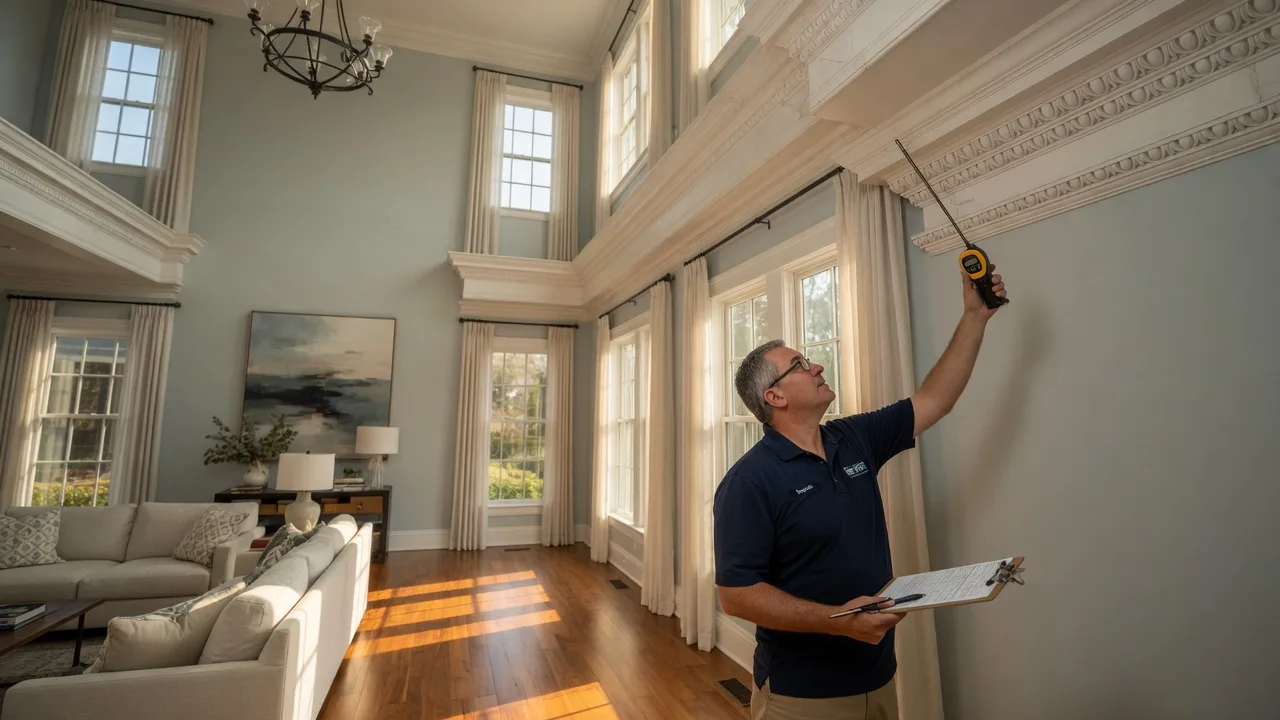
When you are buying a luxury home, the inspection process is more complex and more important than in a standard transaction. Luxury properties come with specialized systems, unique features, and higher expectations that require a tailored approach to inspections. Understanding what to expect, what to look for, and how to handle the results can save you from costly surprises down the road.
With over 20 years in real estate and more than 728 homes sold, I have guided hundreds of buyers through the inspection process on properties of all types, including high-end estates with custom features that require specialized expertise. This guide covers everything you need to know about luxury home inspections in South Jersey.
How Is a Luxury Home Inspection Different?
A standard home inspection covers the basics: the structure, roof, HVAC, plumbing, electrical, and major systems. A luxury home inspection goes deeper because luxury homes have more systems, more features, and more complexity. Here is what makes luxury inspections different:
- More systems to evaluate. Geothermal heating, radiant floor heating, multi-zone HVAC, home automation systems, security systems, and whole-house generators are common in luxury homes and require specialized knowledge.
- Specialized features. Pools, spas, outdoor kitchens, wine cellars, home theaters, and elevators each need their own inspection by a qualified specialist.
- Higher expectations. Luxury buyers expect a thorough inspection that leaves no stone unturned. A standard inspection report may not cover the level of detail that a luxury buyer expects.
- Multiple inspectors. A single general inspector is rarely sufficient for a luxury home. You may need separate inspectors for the structure, roof, HVAC, pool, septic, and specialty systems.
- Longer timelines. A luxury home inspection can take a full day or more, compared to the typical 2-4 hours for a standard home. Coordinating multiple inspectors adds to the timeline.
What Should a Luxury Home Inspection Cover?
A comprehensive luxury home inspection should cover every system and feature of the property. Here is what I recommend my clients include:
General structural inspection. The foundation, framing, roof structure, exterior walls, and overall structural integrity. This is the same as a standard inspection but should be performed by an inspector with experience in luxury homes.
Roof and exterior. The roof covering, flashing, gutters, downspouts, chimneys, and exterior cladding. Luxury homes often have complex roof lines, multiple roof materials, and features like copper gutters that require careful evaluation.
HVAC systems. Luxury homes may have multiple HVAC zones, geothermal systems, radiant heating, or hydronic (hot water) heating. Each system requires specialized knowledge to inspect properly.
Plumbing. Beyond the basic plumbing, luxury homes may have multiple bathrooms, outdoor showers, kitchenettes, wet bars, and recirculating hot water systems. The plumbing system should be thoroughly evaluated for leaks, pressure, and functionality.
Electrical. Luxury homes often have complex electrical systems with multiple panels, backup generators, home automation systems, and specialized wiring for home theaters, pools, and outdoor kitchens. The electrical system should be inspected by an electrician or an inspector with electrical expertise.
Pool and spa. Pools and spas require a separate inspection by a qualified pool professional. They will evaluate the structure, plumbing, filtration, heating, and safety features of the pool and spa.
Septic or well system. If the property is on a septic system or well, a separate inspection is essential. Septic inspections typically include a visual inspection of the tank and leach field, and may include a dye test or camera inspection of the lines.
Specialty systems. Home automation, security systems, audio/video systems, and other specialty features should be inspected by qualified professionals. These systems can be expensive to repair or replace, so understanding their condition is important.
How Do I Find the Right Inspector for a Luxury Home?
Not all home inspectors are created equal, and the inspector you choose for a luxury home needs to have the right experience and credentials. Here is what to look for:
- Experience with luxury homes. Ask potential inspectors how many luxury homes they have inspected. An inspector who primarily works on standard homes may not have the expertise to evaluate a geothermal system or a home automation hub.
- Relevant certifications. Look for inspectors who are licensed and certified by reputable organizations like the American Society of Home Inspectors (ASHI) or the International Association of Certified Home Inspectors (InterNACHI). Additional certifications in specific areas (pools, septic, etc.) are a plus.
- Specialist network. A good inspector will have a network of specialists they can recommend for pool, septic, HVAC, and other specialized inspections. This saves you time and ensures you get qualified professionals.
- Sample reports. Ask to see a sample inspection report. The report should be detailed, well-organized, and include photographs. A vague or brief report is a red flag.
- References. Ask for references from previous luxury home buyers. A reputable inspector should be happy to provide them.
- Availability. Luxury home inspections often take longer and require more coordination. Make sure the inspector has the availability to dedicate the time needed.
I maintain a vetted list of inspectors and specialists who I trust to evaluate luxury properties in South Jersey. I am happy to share my recommendations with my clients so they can feel confident in their inspection choices.
What Are the Most Common Issues Found in Luxury Home Inspections?
While every home is different, I have seen certain issues come up more frequently in luxury home inspections. Knowing what to look for can help you prepare:
- HVAC maintenance issues. Multi-zone systems and geothermal systems require regular maintenance that is sometimes neglected. Filters, refrigerant levels, and system controls should all be in good working order.
- Plumbing in secondary locations. Wet bars, outdoor kitchens, and guest bathrooms may not be used as frequently as the main kitchen and primary bathrooms, and leaks or issues can go unnoticed.
- Water intrusion. Complex roof lines, flat roofs, skylights, and extensive windows all create more opportunities for water intrusion. A thorough inspection of all potential entry points is essential.
- Outdated or neglected systems. Even in a luxury home, the previous owner may have deferred maintenance on major systems. A detailed inspection reveals the true condition of the roof, HVAC, and other systems.
- Home automation issues. Technology dates quickly. A home automation system that was state-of-the-art five years ago may be outdated, difficult to use, or in need of expensive upgrades.
- Deferred maintenance on specialty features. Pools, spas, outdoor kitchens, and wine cellars all require regular maintenance. If the seller has not kept up, the cost to bring these features back to good condition can be significant.
How Should I Handle Inspection Results?
The inspection report is not a pass/fail test. It is a tool that helps you understand the condition of the property and make informed decisions. Here is how to approach the results:
Focus on major issues. Every inspection report will include a list of minor issues. Do not get bogged down in small items. Focus on the major issues that affect safety, structural integrity, or the cost of ownership.
Prioritize health and safety. Electrical hazards, structural defects, mold, and other safety issues should be addressed before closing. These are non-negotiable.
Consider the cost of repairs. Get estimates for the major repairs before you negotiate. Knowing the actual cost gives you leverage and helps you make a fair request.
Be reasonable in negotiations. Luxury sellers are often willing to address major issues, but they may be less willing to negotiate on minor items. Focus your requests on the items that truly matter. A reasonable approach is more likely to result in a successful resolution.
Know your walk-away point. If the inspection reveals issues that are too extensive or too expensive to address, you need to be prepared to walk away. A good agent will help you understand the severity of the issues and make an informed decision.
What About Pre-Listing Inspections for Sellers?
If you are selling a luxury home, a pre-listing inspection can be a powerful tool. Here is why:
- Identify issues before the buyer does. A pre-listing inspection allows you to find and fix problems before they become a negotiation point. This puts you in control of the timeline and the cost of repairs.
- Build buyer confidence. Providing a clean inspection report upfront signals that your home has been well-maintained and that you are a transparent seller. This builds trust and can accelerate the sale.
- Reduce surprises. The inspection is one of the most common sources of deal-killing surprises. By addressing issues upfront, you reduce the risk of the deal falling apart over inspection findings.
- Price your home accurately. If the inspection reveals significant issues, you can adjust your price or plan repairs before listing. This avoids the situation where you accept an offer and then discover expensive problems during the buyer's inspection.
I recommend pre-listing inspections to my luxury sellers because they consistently lead to smoother transactions and better outcomes. The investment in the inspection is typically recovered many times over in reduced stress and a faster sale.
How Much Does a Luxury Home Inspection Cost?
The cost of a luxury home inspection varies based on the size, age, and complexity of the property. Here is a general breakdown:
- General home inspection: $500 to $1,000 for a luxury property (vs $300 to $500 for a standard home)
- Pool and spa inspection: $150 to $300
- Septic inspection: $300 to $600
- HVAC specialist inspection: $200 to $500
- Radon testing: $150 to $300
- Mold inspection: $300 to $600
- WDO (wood-destroying organism) inspection: $75 to $150
For a luxury home with multiple systems and features, the total cost of inspections can range from $1,500 to $3,000 or more. While this may seem like a lot, it is a small price to pay for the peace of mind that comes from knowing exactly what you are buying.
Frequently Asked Questions
Can I waive the inspection to make my offer more competitive?
Waiving the inspection is risky, especially on a luxury home where the cost of hidden issues can be significant. Instead of waiving the inspection entirely, consider an informational inspection where you retain the right to walk away for major issues but agree not to negotiate on minor items. This protects you while still making your offer attractive to the seller.
How long does a luxury home inspection take?
A luxury home inspection can take a full day or more, especially if multiple specialists are involved. The general inspection alone typically takes 3 to 5 hours for a luxury property. When you add pool, septic, HVAC, and other specialty inspections, you should plan for 6 to 10 hours of inspection time, potentially spread over multiple days.
What if the inspection reveals major issues?
If the inspection reveals significant issues, you have several options: negotiate a price reduction, request that the seller make repairs, accept the property as-is and budget for the repairs yourself, or walk away from the deal. Your agent should help you understand the severity of the issues and the best course of action for your situation.
Do I need a separate inspection for a pool?
Yes. A standard home inspector will not have the specialized knowledge to evaluate a pool's structural integrity, plumbing, filtration, heating, and safety features. A separate pool inspection by a qualified pool professional is essential for any luxury home with a pool or spa.
Should I get a pre-listing inspection if I am selling a luxury home?
Yes. A pre-listing inspection allows you to identify and fix issues before the buyer's inspection, reducing the risk of surprise negotiations or deal cancellation. It also signals to buyers that you are a transparent seller who has maintained the property well, which builds confidence and can lead to a faster, smoother sale.
Need Help Navigating the Inspection Process?
The inspection process is one of the most critical steps in a luxury home transaction. Having an experienced agent who understands the nuances of luxury inspections can make the difference between a smooth closing and a deal that falls apart.
I have guided hundreds of buyers and sellers through the inspection process on luxury properties across South Jersey. I know the right inspectors, the common issues, and the best strategies for handling inspection results.

Bob Millaway
Epique Realty Agent · AI Certified Agent · 728+ homes sold across Burlington County and South Jersey. Licensed NJ Salesperson #791082.