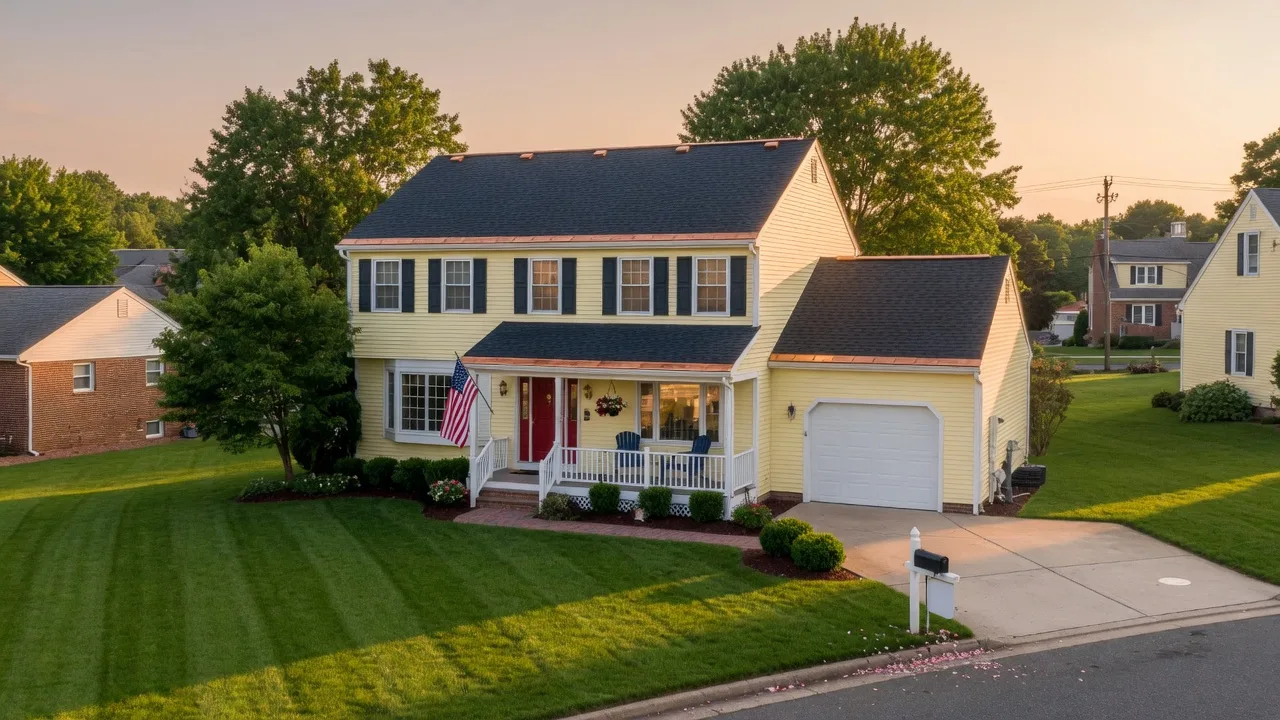
Homeowners insurance is a necessary expense for every South Jersey homeowner, but that does not mean you have to overpay. With the right strategies, many homeowners can save hundreds of dollars per year without sacrificing the coverage they need. This guide covers the most effective ways to lower your insurance costs, from easy discounts to longer-term home improvements that pay off.
After more than 20 years in the South Jersey real estate market, I have seen how insurance costs can add up. A homeowner in Moorestown paying $1,800 per year for insurance might be able to reduce that to $1,200 or less with the right approach. Over 10 years of homeownership, that is a $6,000 difference for the same coverage.
Let us look at the strategies that work.
How Much Can You Expect to Save?
Before we dive into the strategies, here is a realistic look at potential savings. The exact amount depends on your current premium, your insurer, and your specific situation, but these are typical ranges:
- Bundling home and auto: 10% to 25% off both policies
- Increasing your deductible: 15% to 30% off your premium for raising from $500 to $1,000 or $1,000 to $2,500
- Loyalty discounts: 5% to 10% for staying with the same insurer for 3-5 years
- Claims-free discount: 5% to 15% for going 3-5 years without a claim
- Home security and safety features: 5% to 20% combined
- New roof or home updates: 5% to 25% depending on the update
- Paying annually instead of monthly: 2% to 5% in fees saved
The best part is that many of these strategies can be combined. A homeowner who bundles, raises their deductible, installs a security system, and maintains a claims-free record could see total savings of 30% to 50% or more.
Bundle Your Home and Auto Insurance
This is the single most effective way to save on both policies. Most major insurers offer a multi-policy discount of 10% to 25% when you have both your home and auto insurance with them. Some also offer additional discounts for bundling with umbrella, life, or recreational vehicle policies.
The savings are significant enough that it is worth getting a quote from your auto insurer for your homeowners policy, even if you have not considered them for home insurance before. Just remember to compare the bundled price against standalone policies from other carriers, because a high base rate with a discount may still be more expensive than a lower base rate without one.
In New Jersey, companies like NJM, State Farm, Allstate, and Liberty Mutual all offer bundling discounts. Independent agents can also help you compare bundled options across multiple carriers.
Raise Your Deductible
Your deductible is the amount you pay out of pocket before insurance kicks in. Raising your deductible from $500 to $1,000 can reduce your premium by 15% to 25%. Raising it to $2,500 can save 25% to 30% or more.
The key is to choose a deductible you can comfortably afford if you need to file a claim. If you have an emergency fund of $5,000 or more, a $2,500 deductible may be a reasonable choice. If you would struggle to come up with $1,000, keep your deductible lower.
Remember that filing a claim for a small amount near your deductible is usually not worth it anyway, because the claim can cause your rates to increase at renewal. A higher deductible aligns with the strategy of using insurance only for major losses, not minor ones.
Shop Around and Compare Quotes
Insurance rates vary significantly between companies. One insurer might quote you $1,800 per year while another quotes $1,200 for the same coverage. The difference comes down to how each company assesses risk, their claims experience in your area, and their current pricing strategy.
You should shop your insurance every year or two, even if you are happy with your current carrier. Rates change, new competitors enter the market, and your circumstances may have changed. Here is how to shop effectively:
- Get quotes from at least three carriers, including national companies and regional insurers like NJ Skylands and NJM.
- Work with an independent agent who can quote multiple carriers at once.
- Compare the same coverage limits, deductibles, and endorsements across all quotes. A lower price is meaningless if the coverage is different.
- Check the insurer's financial strength rating and read customer reviews about their claims handling process.
Improve Your Home's Safety and Security
Insurers reward homeowners who take steps to reduce risk. Installing safety and security features can qualify you for meaningful discounts. Here are the most effective improvements:
- Monitored security system: A professionally monitored burglar alarm can save 5% to 10% on your premium. Some insurers also offer discounts for smart home security systems with cameras and motion sensors.
- Smoke detectors and fire alarms: Hardwired smoke detectors with battery backup on every floor are often required for a discount. Some insurers also offer discounts for whole-house fire sprinkler systems.
- Deadbolt locks: Simple deadbolt locks on all exterior doors may qualify for a small discount.
- Impact-resistant roofing: In New Jersey, where hailstorms and wind can damage roofs, impact-resistant roofing materials can qualify for a significant discount. This is a more expensive upgrade, but it pays off over time through lower premiums and fewer claims.
- Water leak detection systems: Automatic water shutoff devices that detect leaks and shut off the water main can prevent costly water damage claims and may qualify for a discount.
Ask your insurer exactly which features qualify for discounts before you invest in any upgrades. Not all insurers offer the same discounts, and the requirements can vary.
Update Your Home's Systems
Older homes in historic Burlington County towns like Moorestown, Mount Holly, and Burlington City often have outdated electrical, plumbing, and HVAC systems. These are risk factors that insurers price into your premium. Updating them can reduce your rates and make your home safer.
- Electrical updates: Replacing old knob-and-tube wiring or aluminum wiring with modern copper wiring can significantly reduce your risk of fire and your insurance premium.
- Plumbing updates: Replacing old galvanized or polybutylene pipes with modern copper or PEX pipes reduces the risk of burst pipes and water damage claims.
- HVAC updates: A new HVAC system is more efficient and less likely to cause a fire or carbon monoxide issue.
- Roof replacement: A new roof is one of the single biggest factors in your insurance rate. Many insurers offer discounts for roofs less than 10 years old, and some will not write new policies for homes with roofs older than 20 years.
These updates are significant investments, but they improve your home's value, energy efficiency, and insurability. If you are planning to stay in your home for several years, they can pay for themselves through lower premiums and higher resale value.
Maintain a Good Credit Score
In New Jersey, insurers are allowed to use credit-based insurance scores to determine your premium. A higher credit score typically means a lower premium. Studies have shown that homeowners with excellent credit pay significantly less for insurance than those with poor credit, sometimes 50% to 100% more.
Improving your credit score takes time, but it is one of the most effective long-term strategies for lowering your insurance costs. Pay your bills on time, keep credit card balances low, and avoid opening new credit accounts unnecessarily.
Avoid Filing Small Claims
Every claim you file goes into a database called the Comprehensive Loss Underwriting Exchange (CLUE). Insurers use this database to assess your risk when setting your premium. Filing a single claim can increase your rate by 10% to 20% at renewal, and filing multiple claims can lead to non-renewal.
For small claims that are close to your deductible, it is usually better to pay out of pocket. A good rule of thumb is to only file a claim if the damage is more than 2 to 3 times your deductible. For example, if your deductible is $1,000, only file a claim if the damage is at least $2,000 to $3,000. This keeps your claims history clean and your rates lower over time.
Review Your Coverage Limits Annually
Your insurance needs change over time. You may have paid off your mortgage, your children may have moved out with their expensive electronics, or you may have acquired valuable items that need additional coverage. Reviewing your coverage annually can reveal opportunities to save.
For example, if you have paid off your mortgage, you may be able to adjust your dwelling coverage to more accurately reflect replacement cost, rather than the higher amount your lender required. If your personal property has decreased in value, you may be able to lower your contents coverage.
On the other hand, if you have acquired valuable items like jewelry, art, or collectibles, you may need to add a rider or floater. While this increases your premium, it is better than discovering that your standard policy's sub-limits are insufficient after a loss.
Ask About All Available Discounts
Many homeowners leave money on the table simply because they do not ask about discounts. When you get a quote or review your policy, ask your agent about every discount you might qualify for:
- Multi-policy (bundling)
- Multi-car (if you have more than one vehicle)
- Claims-free
- Loyalty (long-term customer)
- Automatic payment (paperless billing or auto-pay)
- Paid-in-full (paying annually instead of monthly)
- Senior or retired
- New home (homes less than 10-15 years old)
- New roof or recent renovations
- Gated community or secure neighborhood
- Professional or affiliation discounts (through employers, alumni groups, or professional organizations)
Some discounts are automatic, but many require you to ask. It never hurts to inquire.
Frequently Asked Questions
How often should I shop for homeowners insurance?
You should shop your insurance every year or two, even if you are happy with your current carrier. Rates change, new competitors enter the market, and your circumstances may have changed. An annual review takes minimal time and can save you hundreds of dollars.
Will switching insurers affect my coverage?
As long as you compare the same coverage limits, deductibles, and endorsements, switching insurers should not affect your coverage. Make sure there is no gap between policies. If you cancel your old policy before the new one is in effect, you would be uninsured for that period.
What is the best deductible for homeowners insurance?
The best deductible depends on your financial situation. A $1,000 deductible is a good balance for most homeowners, offering premium savings of 15% to 25% over a $500 deductible. If you have a healthy emergency fund, a $2,500 deductible provides even more savings.
Does a new roof really lower my insurance costs?
Yes. A new roof with impact-resistant materials can reduce your premium by 5% to 25%, depending on your insurer and the roofing material. Additionally, many insurers will not write new policies for homes with roofs older than 20 years, so a new roof also keeps you insurable.
Can I negotiate my homeowners insurance rate?
Insurance rates are regulated in New Jersey, so you cannot negotiate the rate directly. But you can ask about discounts, adjust your coverage and deductible, and shop around for a better rate from a different carrier. These strategies are effectively the same as negotiating.
Start Saving Today
Lowering your homeowners insurance costs does not require a major effort. Start with the easy wins: bundle your policies, ask about discounts, and raise your deductible to a level you are comfortable with. Then work on the longer-term strategies like updating your home's systems and maintaining a good credit score.
As your Epique Realty Agent, my goal is to help you make smart financial decisions with your home. If you have questions about insurance costs or need a referral to a trusted local insurance agent, I am happy to help. No pressure, no obligation. Just honest guidance.

Bob Millaway
Epique Realty Agent · AI Certified Agent · 728+ homes sold across Burlington County and South Jersey. Licensed NJ Salesperson #791082.