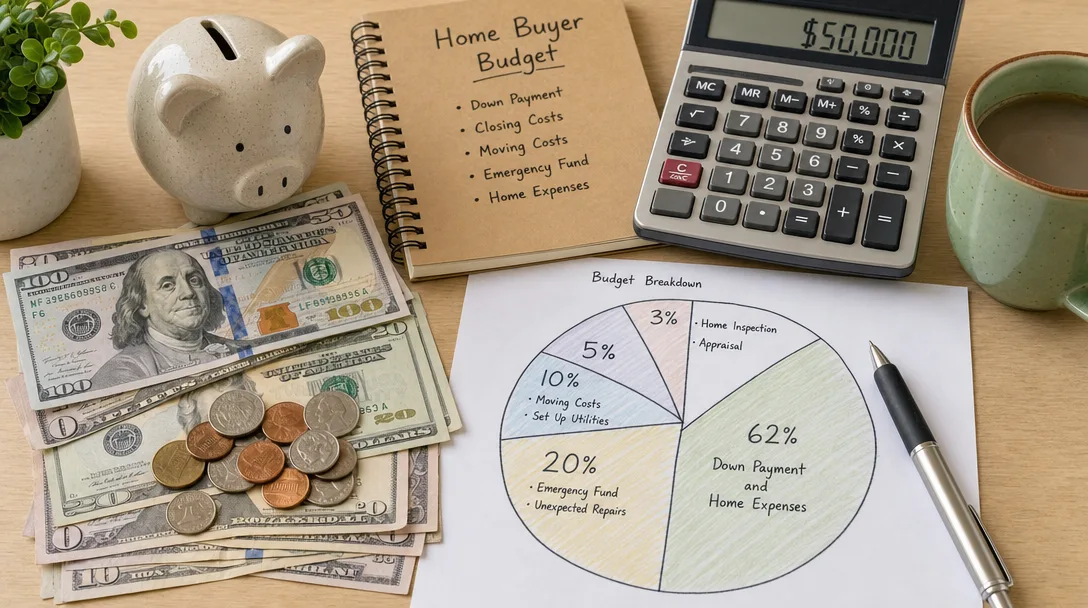
You do not need 20% down to buy a home. Many loan programs allow down payments as low as 0% to 3.5%, and New Jersey offers down payment assistance programs that can help cover the upfront costs. The amount you actually need depends on your loan type, credit score, and the price of the home you are buying.
The idea that you need a 20% down payment to buy a home is one of the most persistent myths in real estate. I have heard it from countless buyers over the years, and it often stops people from even starting their home search. The truth is that most buyers put down far less than 20%, and many put down 3% or even zero.
In this guide, I will walk through every down payment option available to South Jersey buyers, from zero-down programs to the traditional 20% down, and help you figure out what is realistic for your situation.
The 20% Down Payment Myth
Where did the 20% down payment rule come from? It is not a legal requirement. It is a guideline that lenders use to determine whether they will require Private Mortgage Insurance. When you put 20% down, lenders see you as a lower risk, and you get to avoid PMI.
But the National Association of Realtors reports that the median down payment for first-time buyers is just 8% to 10%. For repeat buyers, it is about 16%. Only a small fraction of buyers put down a full 20%.
Here is the reality: putting 20% down is a great goal, but it should not be a barrier to homeownership. In South Jersey, where the median home price in Burlington County is around $375,000 to $450,000, a 20% down payment would be $75,000 to $90,000. That is a lot of money to save. But a 3% down payment on the same home is just $11,250 to $13,500, which is far more achievable.
Zero-Down Payment Options
Yes, you can buy a home with no money down. Two government-backed loan programs offer zero-down financing:
VA Loans (0% down). If you are a veteran, active-duty military member, or qualifying surviving spouse, a VA loan is the best financing option available. Zero down payment, no monthly mortgage insurance, competitive interest rates, and flexible credit requirements. The only downside is the VA funding fee (1.25% to 3.3% of the loan amount), which can be rolled into the loan. This fee is waived for veterans with service-connected disabilities.
USDA Loans (0% down). USDA loans are available for homes in eligible rural and suburban areas. In Burlington County, qualifying areas include parts of Lumberton, Southampton, Shamong, Tabernacle, Medford (western sections), Pemberton, and others. There is an upfront guarantee fee of 1% and an annual fee of 0.35%, but no down payment is required. Income limits apply, so check with a lender to see if you qualify.
Between VA and USDA loans, many eligible South Jersey buyers can buy a home with zero money down. If you qualify for either program, it is worth exploring before considering any other option.
Low-Down-Payment Options: 3% to 5%
For buyers who do not qualify for VA or USDA loans, low-down-payment conventional and FHA programs are the next best options:
FHA Loans (3.5% down). FHA loans require a minimum down payment of 3.5% with a credit score of 580 or higher. On a $350,000 home, that is $12,250. The down payment can come from savings, a gift from a family member, or a down payment assistance program. FHA loans are the most popular option for first-time buyers in South Jersey.
Conventional 97 / HomeReady / HomeOne (3% down). Fannie Mae's HomeReady and Freddie Mac's HomeOne programs allow down payments as low as 3% for qualified buyers. These programs require a minimum credit score of 620 and are designed for first-time buyers or low-to-moderate-income borrowers. The 3% down payment on a $350,000 home is just $10,500.
Conventional 5% down. Many conventional loans require a minimum of 5% down, especially for second homes or investment properties. For owner-occupied primary residences, 3% programs are more common, but 5% down gives you access to a wider range of conventional loan products and often better rates.
What About 10% and 20% Down?
If you can put 10% down, you open up more loan options and typically get better interest rates. You also reduce your monthly mortgage insurance costs. On a $400,000 home, 10% down is $40,000.
If you can put 20% down, you eliminate PMI entirely, which can save you $100 to $300 per month depending on your loan size. You also have more equity from day one, which can be helpful if you need to sell within the first few years.
However, it is worth asking: is it better to put 20% down and drain your savings, or put 5% down and keep a healthy emergency fund? For many buyers, a smaller down payment with a cash reserve is the smarter financial decision. You can always make extra principal payments later to build equity faster.
New Jersey Down Payment Assistance Programs
New Jersey offers several programs to help buyers cover their down payment and closing costs:
NJHMFA Down Payment Assistance Program (DPA). This program provides up to $15,000 in down payment assistance in the form of a forgivable, 0% interest second mortgage. The loan is forgiven after 5 years if you remain in the home. It can be combined with FHA, conventional, VA, or USDA loans. To qualify, you must be a first-time buyer (or haven't owned a home in the last 3 years) and complete a homebuyer education course.
NJHMFA Mortgage Revenue Bond (MRB) Program. This program offers a below-market interest rate on a 30-year fixed-rate mortgage, making monthly payments more affordable. It can be combined with the DPA program for maximum benefit.
Local down payment assistance programs. Some counties and municipalities in South Jersey offer their own down payment assistance programs. Burlington County, for example, has programs for qualified buyers in specific communities. These programs vary by location and funding availability, so it is worth asking your lender about local options.
Employer-assisted housing programs. Some employers in South Jersey offer down payment assistance or closing cost grants as part of their employee benefits package. It is worth checking with your HR department to see if this is available.
How Much Do You Actually Need for a Typical South Jersey Home?
Let's look at real numbers for a $375,000 home, which is close to the median price in Burlington County:
| Loan Type | Down Payment | Cash Needed | Plus Closing Costs |
|---|---|---|---|
| VA Loan | 0% | $0 | $7,500-$18,750 |
| USDA Loan | 0% | $0 | $7,500-$18,750 |
| FHA Loan | 3.5% | $13,125 | $20,625-$31,875 |
| Conventional (3%) | 3% | $11,250 | $18,750-$30,000 |
| Conventional (5%) | 5% | $18,750 | $26,250-$37,500 |
| Conventional (10%) | 10% | $37,500 | $45,000-$56,250 |
| Conventional (20%) | 20% | $75,000 | $75,000-$82,500 |
Note: Closing costs in New Jersey typically range from 2% to 5% of the purchase price. The numbers above include both down payment and estimated closing costs.
Where Does the Down Payment Come From?
Lenders want to know that your down payment comes from a verifiable source. Here are the most common sources:
- Personal savings: The most straightforward source. Lenders will want to see 2-3 months of bank statements showing the funds accumulating.
- Gift funds: Family members can gift you all or part of your down payment. You will need a gift letter stating the money is a gift, not a loan. The person giving the gift must provide their bank statement showing the transfer.
- Down payment assistance programs: As discussed above, NJHMFA and local programs can provide grants or forgivable loans for down payment and closing costs.
- Retirement funds: You can withdraw up to $10,000 from an IRA for a first-time home purchase without the 10% early withdrawal penalty. 401(k) loans are also an option, though they come with risks.
- Sale of assets: Proceeds from selling a car, stocks, or other assets can be used, as long as you can document the transaction.
Frequently Asked Questions
Do I really need 20% down to buy a house?
No. The 20% down payment is a myth that keeps many buyers from starting their home search. FHA loans require 3.5% down, conventional loans with low-down-payment programs require 3% down, and VA and USDA loans allow zero down. Most first-time buyers put down less than 10%.
How much is PMI with a low down payment?
For conventional loans, PMI typically costs 0.3% to 1.5% of the loan amount per year. On a $350,000 loan, that is $88 to $438 per month. For FHA loans, MIP costs 0.55% to 0.85% annually, plus the 1.75% upfront premium. The exact cost depends on your credit score and loan-to-value ratio.
Can I use the NJHMFA down payment assistance for closing costs too?
Yes. The NJHMFA DPA program provides up to $15,000 that can be used for both down payment and closing costs. It is a 0% interest, forgivable second mortgage that is fully forgiven after 5 years if you remain in the home. It can be combined with FHA, conventional, VA, or USDA loans.
Is it better to put more money down or keep cash reserves?
For most buyers, keeping a healthy emergency fund is more important than maximizing your down payment. A 3% to 5% down payment with 3 to 6 months of cash reserves is a stronger financial position than a 20% down payment with no savings. You can always make extra principal payments later to build equity.
Can the seller pay for my closing costs?
Yes. In a seller's market, this is less common, but in a balanced or buyer's market, sellers may agree to pay a portion of your closing costs (typically 2% to 3% of the purchase price) as a concession. This is negotiated as part of your offer and must be acceptable to your lender.
Let's Find Out What You Really Need
Every buyer's situation is different. The right down payment strategy depends on your savings, income, credit score, and the type of home you are looking for. I work with trusted local lenders who can run your specific numbers and show you exactly what is possible.
Reach out anytime. I would be happy to help you understand your options and connect you with the right people to get started.
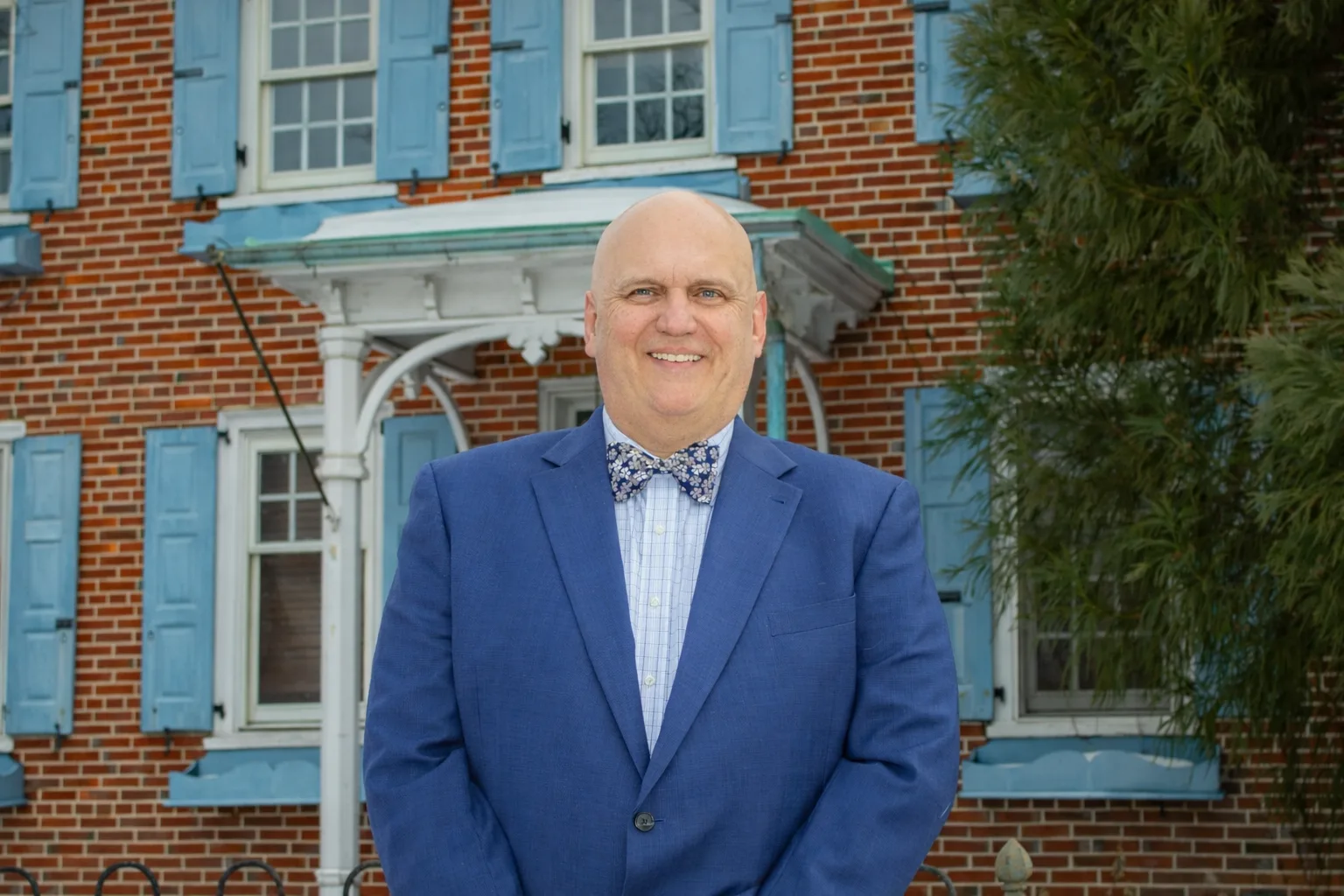
Bob Millaway
Epique Realty Agent · AI Certified Agent · 728+ homes sold across Burlington County and South Jersey. Licensed NJ Salesperson #791082.