Short Answer
Start by checking your credit score and addressing any issues, saving for a down payment and closing costs, getting pre-approved by a lender, and creating a budget that accounts for ongoing homeownership costs like property taxes, insurance, maintenance, and utilities. Aim to save at least 3% to 20% of your target home price for a down payment plus 2% to 5% for closing costs. The earlier you start, the more options you will have.
Financial preparation for homeownership should begin six months to two years before you plan to buy. Start by pulling your credit report from all three bureaus and addressing any errors. Pay down credit card balances to improve your credit utilization ratio. Avoid opening new credit accounts or making large purchases in the months before applying for a mortgage. Build your savings with a specific goal in mind. In addition to your down payment and closing costs, you need an emergency fund of three to six months of expenses. Homeownership comes with unexpected costs, from a broken water heater to a leaking roof. Get pre-approved by a lender to understand exactly what you qualify for and what your monthly payment would be. Create a post purchase budget that includes property taxes, homeowners insurance, PMI if applicable, utilities, maintenance (typically 1% to 2% of the home value per year), and HOA fees.
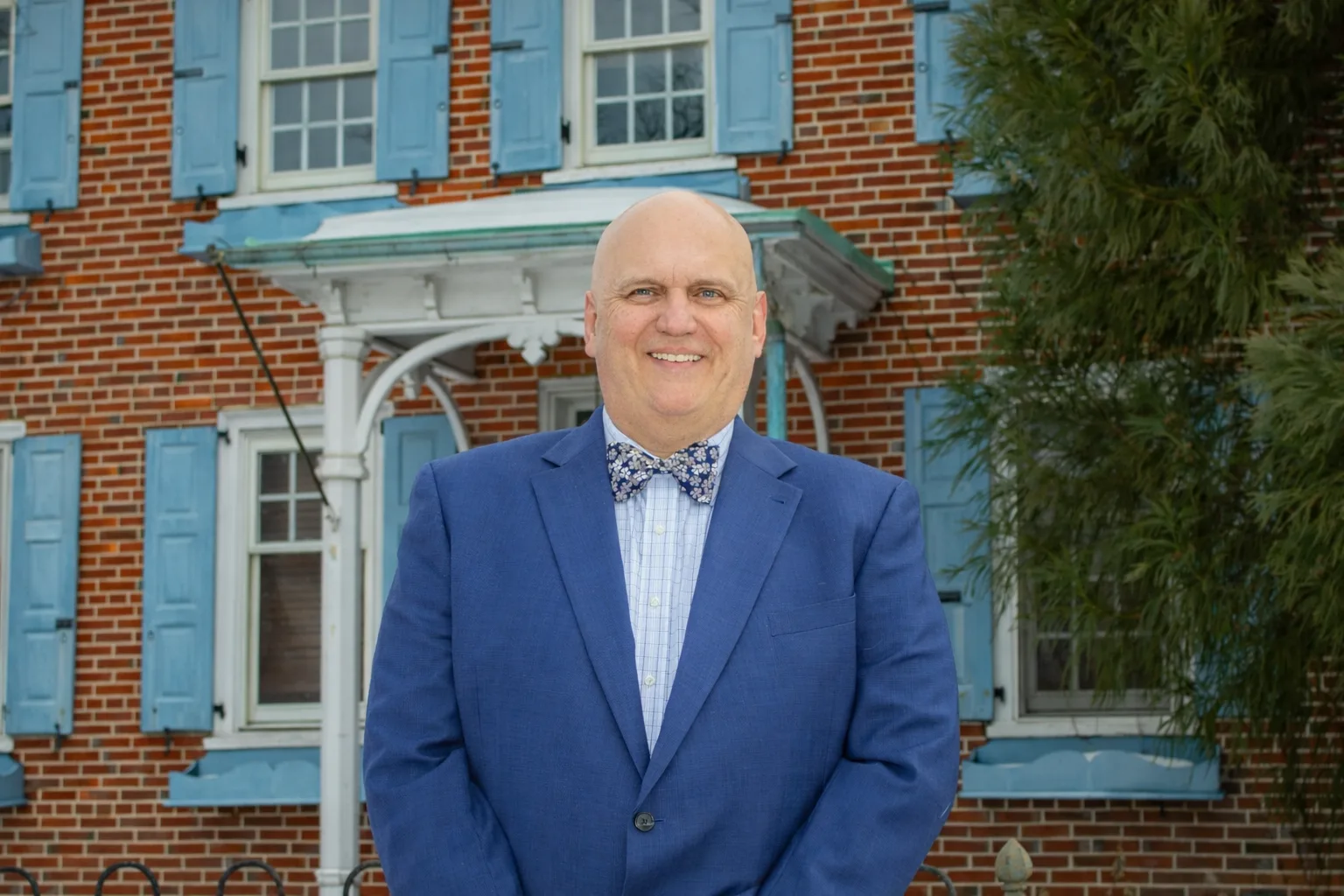
Bob's Advice
Epique Realty Agent · AI Certified Agent
The best time to start preparing is yesterday. I have helped many buyers who thought they were years away from buying, only to discover they were closer than they realized once we sat down with a lender. Even if you are not ready to buy today, take the first step. Get your credit checked, start saving, and let us map out a timeline. You might be surprised how quickly things come together when you have a plan.
Related Questions
Ready to Take the Next Step?
Every situation is unique. Let us talk about your specific goals and create a plan that works for you.