
Daily Note: Why Preparation Wins in Real Estate
Preparing Beats Reacting
By Robert "Bob" Millaway, AI Certified Agent™ & South Jersey Lifestyle Specialist

Whether you're buying or selling, preparation reduces stress. Understanding documents, timelines, and expectations ahead of time prevents surprises. Prepared clients tend to feel calmer, negotiate better, and move forward with confidence, no matter what the market is doing.
In today's fast-moving real estate market, the difference between a smooth transaction and a stressful one often comes down to one simple factor: preparation. While market conditions fluctuate and unexpected challenges can arise, being prepared gives you the control and confidence to navigate any situation that comes your way.
The Foundation of Smart Real Estate Decisions
Preparation in real estate isn't about predicting every possible outcome. It's about understanding the process, knowing your options, and having the right information at your fingertips when decisions need to be made quickly.
When you're prepared, you're not scrambling to understand what a contingency means or frantically searching for financing options at the last minute. Instead, you're making informed choices from a position of knowledge and strength.

Essential Documents You Should Know
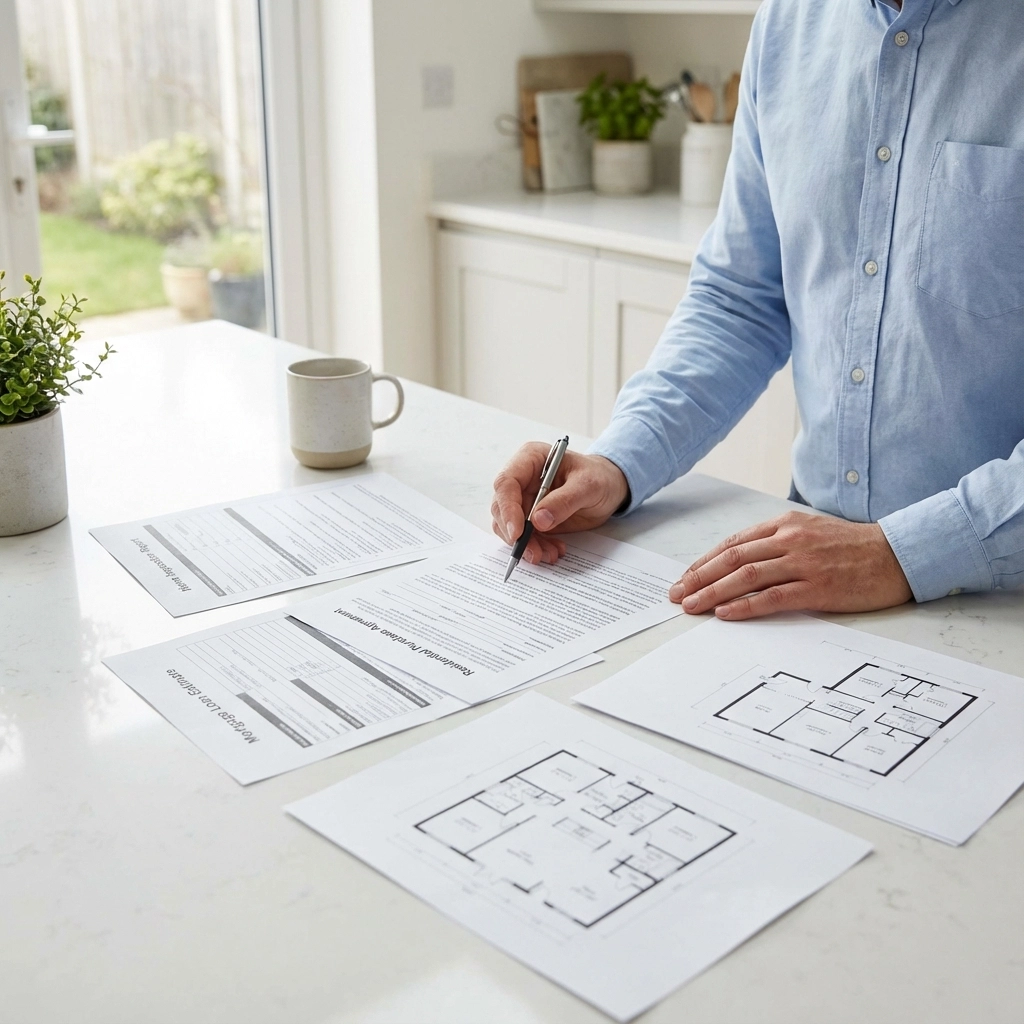
One of the biggest sources of stress in real estate transactions comes from unfamiliar paperwork. Taking time to understand key documents before you need them can save hours of confusion later.
For buyers, familiarize yourself with purchase agreements, inspection reports, and mortgage documentation. Know what each section covers and what your rights and obligations are. For sellers, understand listing agreements, disclosure requirements, and closing documents.
The AI Listing Advantage program helps streamline this process by providing clear explanations of all documentation involved, ensuring nothing gets overlooked.
Timeline Management That Works
Real estate transactions operate on multiple timelines simultaneously. There's the financing timeline, inspection timeline, appraisal timeline, and closing timeline. Understanding how these intersect and where potential delays might occur helps you plan accordingly.
Create a timeline that includes buffer time for common delays. If financing typically takes 30 days, plan for 35. If inspections usually take a week, allow for 10 days. This extra time reduces stress and gives you options if something takes longer than expected.
Financial Preparation Beyond the Down Payment
Many first-time buyers focus solely on the down payment, but preparation means understanding all the costs involved. Closing costs, moving expenses, immediate repairs, and ongoing maintenance all require budget planning.
For sellers, preparation includes understanding net proceeds after commissions, closing costs, and any necessary repairs. Having clear financial expectations prevents last-minute surprises and helps with planning your next move.
Market Knowledge as Your Foundation
Understanding your local market doesn't mean predicting where prices will go next month. It means knowing how long homes typically stay on the market, what buyers in your area prioritize, and how seasonal patterns affect activity.
In Burlington County, for example, knowing that families often prefer to move during summer months can help sellers time their listing strategy. Understanding that certain neighborhoods have shorter commutes to Philadelphia helps buyers evaluate long-term value.
Building Your Professional Team Early
Waiting until you're under contract to find an inspector or attorney creates unnecessary pressure. Prepared buyers and sellers already have relationships with the professionals they'll need.
This includes not just finding these professionals but having initial conversations about their process, fees, and availability. When you need them, everything moves more smoothly because the groundwork is already laid.
As an AI Certified Agent™, I work with clients to build these professional relationships well before they're needed, ensuring every transaction has the right support in place.
Contingency Planning for Common Scenarios
Even with perfect preparation, unexpected situations arise. The key is thinking through common scenarios before you encounter them. What happens if the appraisal comes in low? What if the inspection reveals more issues than expected? What if financing takes longer than anticipated?
Having discussed these possibilities with your agent and understanding your options reduces stress when they actually occur. You're not making emotional decisions under pressure: you're executing a plan you've already thought through.

Negotiation Preparation: Know Your Priorities
Successful negotiations happen when you understand not just what you want, but what you're willing to compromise on. Prepared buyers know which home features are non-negotiable and which they can live without. Prepared sellers understand their timeline priorities and minimum acceptable terms.
This clarity makes negotiations more efficient and less emotional. When you know your priorities going in, you can evaluate offers and counteroffers objectively rather than reactively.
Technology Tools That Keep You Organized
Modern real estate benefits from digital organization. Use apps and platforms that keep all your documents, timelines, and communications in one place. Many agents provide client portals that make this easier, but even simple tools like shared calendars and document folders can make a huge difference.
The goal is having important information accessible when you need it, whether you're at home, at work, or viewing properties.
The Confidence Factor
Perhaps the most valuable benefit of preparation is confidence. When you understand the process, know your options, and have your team in place, you can make decisions from a position of strength rather than fear.
This confidence shows in negotiations, helps you move quickly on good opportunities, and reduces the overall stress of what's often one of the largest financial transactions in your life.
Learning from the Prepared vs. Reactive
In my experience working with clients throughout South Jersey, the difference between prepared and reactive clients is clear from the first meeting. Prepared clients ask specific questions about the process, bring organized financial documentation, and have realistic expectations about timelines.
Reactive clients spend more time on basic education, often miss opportunities because they're not ready to move quickly, and experience more stress throughout the transaction. The choice between these two approaches is entirely yours.
Final Thoughts
Preparation in real estate isn't about being perfect: it's about being ready. When you understand the process, have your finances organized, know your market, and have the right team in place, you're equipped to handle whatever comes your way.
The time you invest in preparation upfront pays dividends in reduced stress, better outcomes, and greater confidence throughout your real estate journey. Whether you're buying your first home or selling your fifth, preparation beats reacting every single time.
FAQ
Q: How far in advance should I start preparing to buy or sell?
A: Start preparing at least 3-6 months before you plan to actively search or list. This gives you time to organize finances, research markets, and build your professional team without pressure.
Q: What's the most important document to understand as a buyer?
A: The purchase agreement is crucial because it outlines all terms, contingencies, and deadlines for your transaction. Understanding this document prevents surprises later.
Q: How do I know if I'm financially prepared to buy?
A: Beyond having a down payment, ensure you have closing costs, moving expenses, and 3-6 months of mortgage payments saved for unexpected situations.
Q: What happens if I'm not prepared and something goes wrong?
A: Lack of preparation often leads to delayed closings, lost opportunities, or accepting less favorable terms. It's always worth taking time to prepare properly.
Q: How does an AI Certified Agent™ help with preparation?
A: AI Certified Agents use technology and data to help clients understand market conditions, streamline documentation, and prepare comprehensive transaction strategies tailored to individual situations.
About: Robert Millaway is an AI-certified, people-first real estate consultant specializing in downsizers, distressed homeowners, FSBOs, and expired listings across Burlington & Camden County, NJ. Known for calm clarity, strategic guidance, and data-driven marketing. Serving Burlington & Camden County, including Moorestown, Mount Laurel, Cinnaminson, Delran, Riverside, and Delanco as your AI-powered, people-first real estate consultant.


