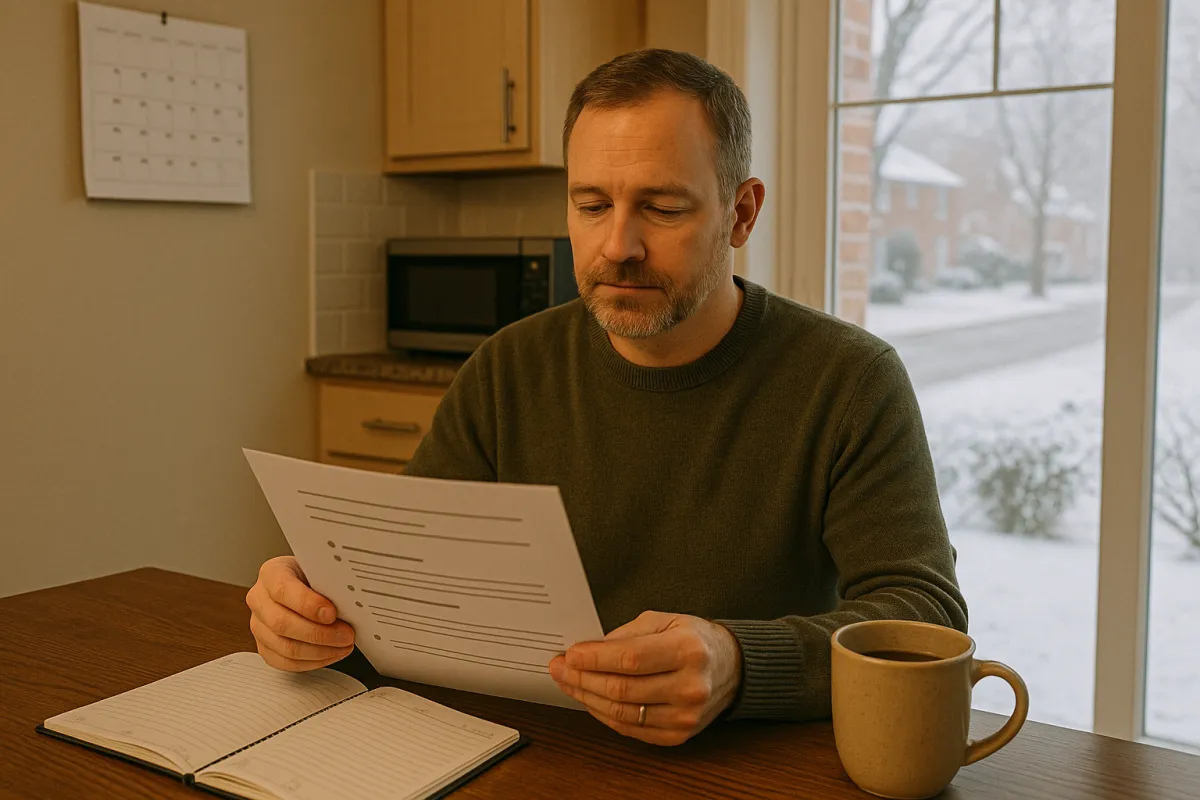
Stay Calm With a Clear Plan: Why Planning Beats End-of-Year Pressure
Planning Beats Pressure
By Robert "Bob" Millaway, AI Certified Agent™ & South Jersey Lifestyle Specialist

The calendar is about to flip to January, and the pressure is real.
Everyone's rushing to make moves before year-end. Tax considerations, bonus timing, "fresh start" energy, it all creates this artificial urgency that can push people into decisions they're not ready for.
But here's what I've learned after years in real estate: the people who make the best moves aren't the ones responding to pressure. They're the ones who plan ahead.
Why End-of-Year Pressure Backfires
December hits, and suddenly everyone's in crisis mode. Buyers want to close before January. Sellers think they missed their window. Everyone's operating like the world stops on December 31st.
The truth? The real estate market doesn't care what the calendar says.
When you make decisions under pressure, you skip steps. You don't research neighborhoods thoroughly. You accept the first decent offer. You compromise on things that actually matter because you're focused on an arbitrary deadline.

Pressure makes you reactive instead of strategic. And in real estate, reactive decisions are expensive decisions.
What Planning Actually Looks Like
Real planning isn't about having every detail figured out six months in advance. It's about understanding your priorities and having a framework for making decisions when opportunities arise.
For buyers, planning means knowing:
What neighborhoods fit your lifestyle
Your actual budget (not just what you're pre-approved for)
Which compromises you can live with and which you can't
Your timeline preferences versus your hard deadlines
For sellers, it means understanding:
Your home's realistic market position
What improvements add value versus what's just personal preference
Your next move before you list your current one
Market timing that works for your situation, not the calendar's
The difference is night and day. Planned moves feel smooth. Pressured moves feel chaotic.
The January Myth
Here's something most people don't realize: January isn't automatically better for real estate than December.
Yes, more inventory typically hits the market in spring. But December and January often have less competition among buyers. Sellers who list during the holidays are usually serious about selling. And your mortgage rate doesn't care what month you close.
The best time to buy or sell is when you're prepared to make a good decision. Not when the calendar tells you to.

I've seen buyers get amazing deals in December because they were prepared while everyone else was distracted by holiday planning. I've also seen sellers get great results in January because they spent December getting their homes market-ready instead of rushing to list unprepared.
Building Your Framework
Good planning starts with an honest assessment. Not wishful thinking, not pressure from others: honest assessment of where you are and where you want to be.
If you're thinking about buying, ask yourself:
What's driving this timeline?
Is it a real deadline or artificial pressure?
What happens if you wait three months?
What happens if you don't wait?
If you're considering selling:
Why now versus six months from now?
What needs to happen before you're truly ready?
Are you selling to something or away from something?
The answers matter because they determine whether you're making a strategic move or a reactive one.
When Timing Actually Matters
Don't get me wrong: sometimes timing is genuinely important. Job relocations have real deadlines. Life changes create legitimate urgency. Market conditions can create genuine windows of opportunity.
But most year-end real estate pressure isn't about actual deadlines. It's about the artificial ones we create in our heads.

The key is distinguishing between the two. Real deadlines require planning around them. Artificial ones require stepping back and asking whether they're actually serving you.
The Cost of Rushing
I've watched too many people make expensive mistakes because they felt pressured to act quickly. Buyers who skipped inspections to win bidding wars then spent months dealing with problems they could have avoided. Sellers who underpriced their homes to guarantee quick sales, leaving money on the table they didn't need to leave.
Pressure doesn't just lead to bad decisions: it leads to expensive ones. And expensive mistakes in real estate can take years to recover from.
Planning doesn't guarantee perfect outcomes, but it dramatically improves your odds of good ones.
What Planning Gives You
When you have a clear framework for decision-making, pressure becomes information instead of stress. You can evaluate opportunities calmly because you already know what you're looking for.
Planning gives you:
Confidence in your decisions
Clarity about what matters most
Flexibility when circumstances change
Peace of mind during the process
It also gives you something most people don't have: the ability to walk away from deals that aren't right for you. That's powerful.

Your Next Step
If you're feeling end-of-year urgency about real estate, pause. Ask yourself whether that urgency is serving you or just creating stress.
Then think about what a good plan would look like for your situation. Not a perfect plan: a good one. Something that helps you make decisions from a place of clarity instead of pressure.
The market will be there in January. The right opportunity for you might be there in March, or June, or whenever you're truly ready for it.
Final Thoughts
The end of the year brings natural reflection about where we've been and where we're going. That's valuable. But it also brings artificial pressure to make dramatic changes just because the calendar is changing.
In real estate, the best moves come from thoughtful planning, not calendar pressure. Take time to understand what you really want and why. Build a framework for making good decisions. Then move forward with confidence, whether that's in December, January, or whenever the timing is actually right for you.
The market rewards preparation, not panic.
FAQ
Should I wait until after the holidays to start looking for a home?
Not necessarily. December and January often have less buyer competition, which can work in your favor. The key is being prepared to evaluate opportunities whenever they arise, not timing your search to the calendar.
Is it better to sell before or after the new year?
It depends on your specific situation and market conditions. Many sellers wait until spring, but serious December sellers often face less competition. Focus on being ready rather than timing the calendar.
How do I know if my timeline is realistic or just pressure?
Ask yourself what happens if you wait three months. If the answer is "nothing significant," you're probably feeling artificial pressure. Real deadlines have real consequences.
What if I miss out on good deals by not acting quickly?
Good deals come from being prepared, not from acting fast. When you know what you want and have your finances ready, you can move quickly when the right opportunity appears.
How far ahead should I plan a real estate move?
Most successful buyers and sellers start planning 3-6 months before they want to act. This gives you time to understand the market, prepare financially, and make thoughtful decisions without pressure.
If you're feeling end-of-year urgency, let's build a simple plan that fits your timeline and goals. Visit robertmillaway.com to get started.
About: Robert Millaway is an AI-certified, people-first real estate consultant specializing in downsizers, distressed homeowners, FSBOs, and expired listings across Burlington & Camden County, NJ. Known for calm clarity, strategic guidance, and data-driven marketing. Serving Burlington & Camden County, including Moorestown, Mount Laurel, Cinnaminson, Delran, Riverside, and Delanco as your AI-powered, people-first real estate consultant.


