
AI in Real Estate: What Artificial Intelligence Can (and Can’t) Do for You
AI in Real Estate: What Artificial Intelligence Can Tell You: and What It Can't
By Robert "Bob" Millaway, AI Certified Agent™ & South Jersey Lifestyle Specialist

Artificial intelligence is no longer a futuristic concept. It is here, and it is changing the way people buy, sell, and understand real estate.
From instant home valuations to predictive market analytics, AI in real estate is reshaping how information reaches buyers and homeowners. You can now get a property estimate in seconds, track neighborhood trends from your phone, and receive personalized listing recommendations without ever speaking to a human.
But here is the thing. Access to data does not always mean accurate data. Speed does not always mean clarity. And algorithms, no matter how advanced, still have blind spots.
If you are thinking about buying or selling a home, understanding where AI helps and where it falls short is more important than ever.
How AI Is Used in Real Estate Today
Artificial intelligence in real estate is excellent at one thing: processing large amounts of data quickly.
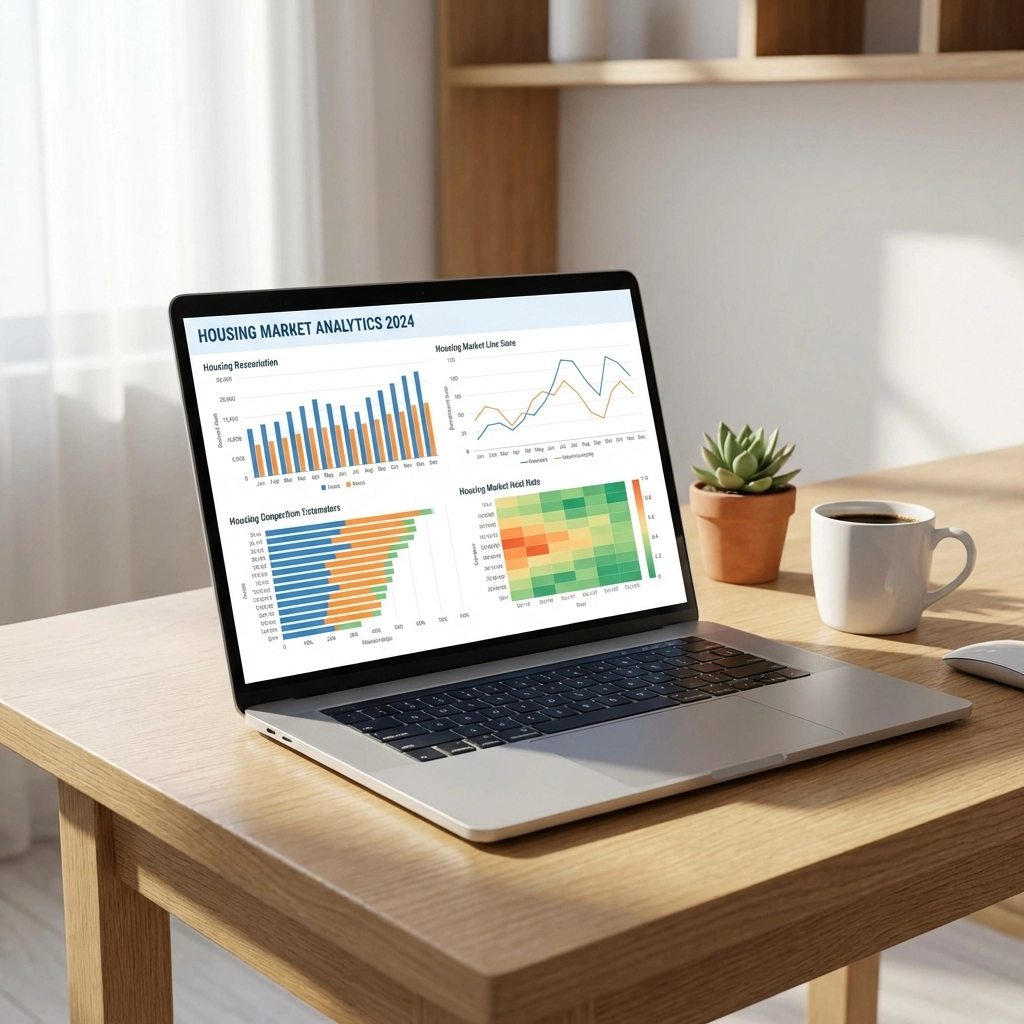
Modern AI tools can analyze thousands of transactions, track pricing trends, and identify patterns that would take a human analyst weeks to uncover. Here are some of the most common ways real estate technology is being used right now:
Market Analysis and Pricing
AI processes historical sales data, interest rates, and neighborhood information to generate pricing recommendations. These tools help agents and sellers understand where the market stands and predict when buyer interest might be strongest.
Property Valuation
AI-powered valuation models pull data from multiple sources. This includes satellite imagery, demographics, crime statistics, zoning regulations, and even photos of the property itself. The goal is to estimate value based on location, condition, and current market conditions.
Personalized Property Recommendations
Ever notice how real estate websites seem to know exactly what you are looking for? AI algorithms learn from your search behavior and surface listings tailored to your preferences, budget, and timeline.
Investment Analysis
Predictive analytics can identify high-potential investment properties by analyzing comparable sales, rental yields, and economic indicators. This helps investors make faster, more informed decisions.
Risk and Fraud Detection
Pattern recognition algorithms can flag anomalies in transactions, helping identify potential fraud or compliance issues before they become problems.
These tools answer the "what" very efficiently. They tell you what is happening in the market, what similar homes have sold for, and what trends are emerging.
But real estate decisions require more than patterns.
The Limitations of AI Home Values
Let us talk about one of the most popular uses of AI in real estate: automated home valuations.
You have probably seen these. You type in your address, and within seconds, you get an estimated value for your home. It feels like magic.
But here is what those AI home value tools rely on:
Past sales data
Public tax records
Algorithmic assumptions based on similar properties
What they do not measure well:
Condition and presentation. AI cannot walk through your home and see the updated kitchen, the new HVAC system, or the water stain on the ceiling.
Micro-location differences. Two homes on the same street can have vastly different values based on lot position, views, or proximity to a busy intersection.
Buyer emotion and perception. Real estate is personal. How a home feels matters, and algorithms cannot capture that.
Timing within a specific market cycle. AI looks backward. It struggles to account for sudden shifts in buyer demand or economic conditions.
Two homes with identical data points can perform very differently in the real world. One might sell in a weekend with multiple offers. The other might sit for months.
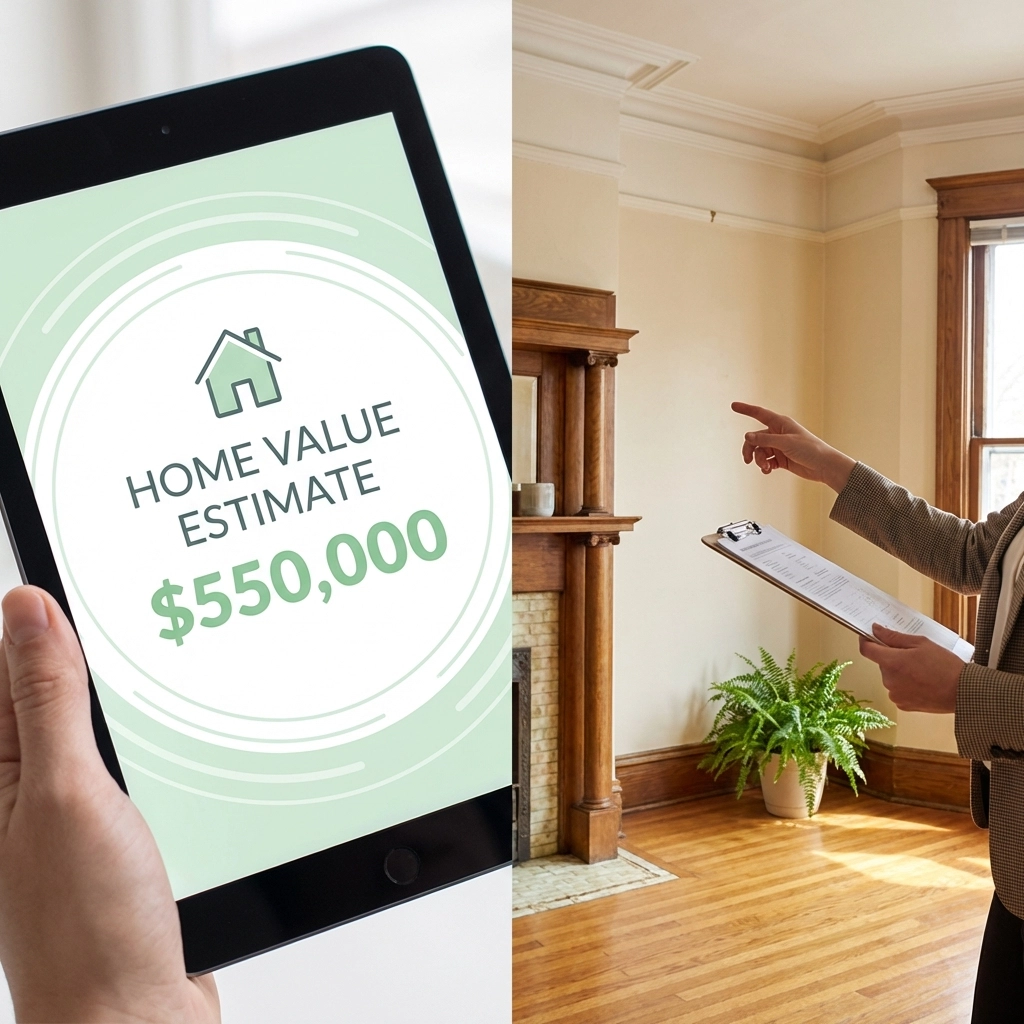
That is why AI home value estimates should be viewed as reference points, not conclusions.
The Smart Way to Use AI in Real Estate Decisions
AI is not the enemy. It is a tool. And like any tool, its value depends on how you use it.
The strongest results come when homeowners and buyers use AI tools to ask better questions, not to make final decisions.
Here are some productive ways to use real estate data tools:
"What pricing trends are emerging in my neighborhood right now?"
"How is buyer search behavior shifting compared to last year?"
"What has changed in the market over the last 90 days?"
AI provides the data. Human experience provides the interpretation.
Think of it this way. AI can tell you that homes in your area are selling for 3% more than last quarter. But it cannot tell you whether your specific home, with its unique features and quirks, will outperform or underperform that average.
That is where working with an experienced agent makes all the difference.
How AI Certified Agents™ Bridge the Gap
This is exactly why the AI Certified Agent™ designation exists.
An AI Certified Agent™ is trained to understand both sides of the equation. They know how to leverage artificial intelligence real estate tools for faster insights, better data, and smarter marketing. But they also know when to step back and apply the human judgment that algorithms cannot replicate.
Here is what that looks like in practice:
Using AI to identify buyer behavior patterns while also understanding the emotional triggers that drive offers.
Leveraging predictive analytics for pricing while accounting for unique property features that data cannot capture.
Deploying AI-powered marketing tools while crafting messaging that resonates with real people.
The AI Listing Advantage program takes this a step further. It combines cutting-edge real estate technology with hands-on strategy to give sellers a competitive edge. You get the speed and precision of AI alongside the context and nuance of local expertise.
It is not about choosing between technology and experience. It is about combining both.
The Future of AI in Real Estate
AI is not going away. If anything, its role in real estate will continue to grow.
We are already seeing generative AI tools that can write property descriptions, create virtual staging, and even answer buyer questions in real time. The technology is getting smarter, faster, and more accessible every year.
But here is the truth that often gets lost in the excitement.
AI is not replacing real estate professionals. It is reshaping how information is delivered.

The most effective approach going forward will combine:
AI-powered insights for speed and scale
Local market knowledge for context and accuracy
Clear strategy and timing for results
In real estate, confidence comes from context, not just calculations. And context requires a human who understands your goals, your timeline, and your unique situation.
FAQ
Are AI home value estimates accurate?
AI home values provide a useful starting point, but they are not always accurate. These estimates rely on public records and past sales, which means they often miss important factors like recent renovations, property condition, and unique location details. Use them as a reference, not a final answer.
Can AI replace a real estate agent?
No. AI excels at processing data and identifying patterns, but it cannot replace the judgment, negotiation skills, and local expertise that a skilled agent brings. The best results come from combining AI tools with human insight.
How do real estate agents use AI?
Agents use AI for market analysis, pricing recommendations, lead generation, and marketing automation. An AI Certified Agent™ is specifically trained to integrate these tools into their workflow while maintaining the personal touch that clients need.
What data does AI use to estimate home values?
AI valuation models typically pull from public tax records, historical sales data, neighborhood demographics, zoning information, and sometimes property photos. However, they cannot account for subjective factors like curb appeal or buyer emotion.
What is the AI Listing Advantage?
The AI Listing Advantage is a program that combines artificial intelligence tools with expert strategy to help sellers price, market, and sell their homes more effectively. Learn more about how it works here.
Final Thoughts
AI in real estate is powerful. It can surface insights faster than ever before, help you understand market trends, and even predict where prices might be heading.
But it has limits.
It cannot see the charm of a well-kept garden. It cannot feel the warmth of a sunlit living room. It cannot understand why one block feels safe, and another does not.
The smartest buyers and sellers use AI as a starting point, not a finish line. They gather the data, ask better questions, and then work with someone who can translate those numbers into a plan that actually fits their life.
If you are curious about what AI tools can tell you about your home's value, start here. And when you are ready to talk strategy, schedule a call to see how technology and experience can work together for you.


